
How to Choose Cable Protection in 2026?

Time:2026-10-16 Author:Amelia
0%

Choosing Cable Protection in 2026 requires more than selecting a strong tube or flexible conduit. Real applications expose weak assumptions quickly. Heat hardens jackets. Abrasion creates hidden damage. Tight bends increase stress at connectors. Outdoor sunlight changes material performance over time.

Rainer Römer, a long-time cable-management specialist at igus, offers a useful principle: “Cable protection must follow the motion, not restrict it.” That idea remains practical across robotics, factory automation, renewable-energy equipment, and mobile machinery. A suitable system should match the cable’s bend radius, travel speed, temperature range, chemical exposure, and installation environment.

The decision should also consider ingress protection, flame performance, impact resistance, and maintenance access. IEC 61386 classifications can support a more disciplined comparison. However, compliance marks do not replace application testing. A product may perform well in a laboratory yet fail beside metal swarf, coolant, vibration, or repeated torsion.

Experience teaches another uncomfortable lesson. The cheapest option is rarely the lowest-cost option. Replacing damaged cables can stop production, increase labor demands, and create safety concerns. Still, premium protection is not automatically correct. Oversized conduits can add weight, restrict movement, and waste space.

This guide examines how to choose Cable Protection for changing industrial conditions in 2026. It compares materials, structures, installation methods, and lifecycle risks. Some recommendations will remain provisional. Field conditions are rarely perfect, and even careful specifications can miss one harsh detail. That uncertainty deserves attention before procurement, not after failure.
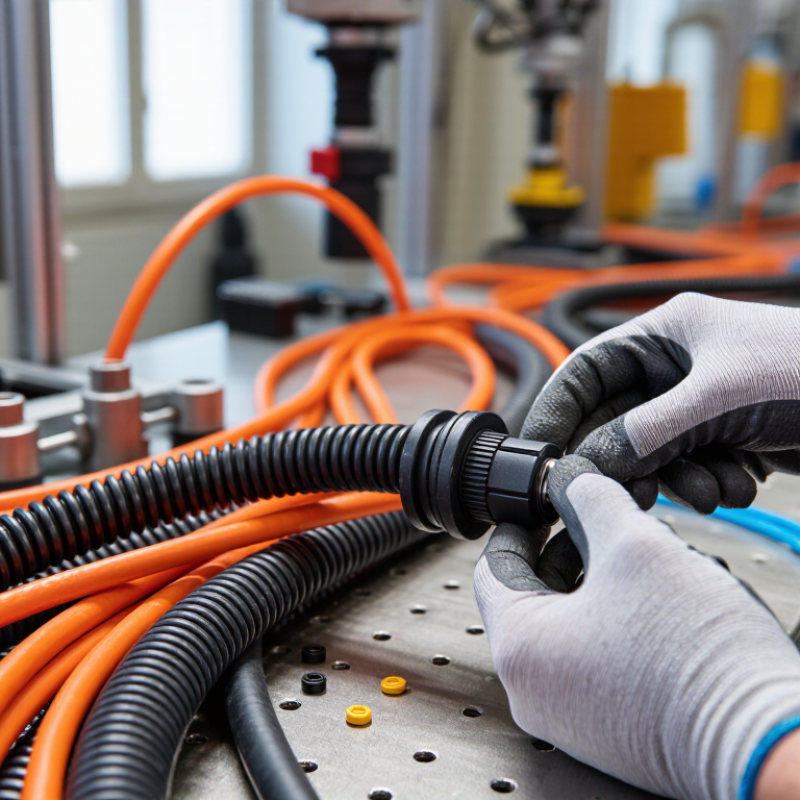
How to Choose Cable Protection in 2026?

Define the Cable Protection Requirements for Your Application

How to Choose Cable Protection in 2026?

Define the Cable Protection Requirements for Your Application

Cable protection should begin with the application, not the product catalogue. Map the cable route, movement, temperature, moisture, impact, and maintenance access. A fixed indoor control panel needs different protection from a mobile robotic arm or outdoor charging station. In field assessments, the failure often starts with an overlooked detail. Tight bends are common.

The International Energy Agency’s Electricity 2024 report expects global electricity demand to grow by an average of 3.4% annually through 2026. More power infrastructure means denser cable routes and greater maintenance pressure. Specify the required ingress protection level, abrasion resistance, flame performance, and operating temperature range. IEC 60529 classifications can help define resistance to dust and water, but they do not replace application testing. Check bending radius under real movement, not only in a datasheet.

Installation conditions also matter. Measure available space around connectors, glands, and service loops. Consider oil, chemicals, ultraviolet exposure, vibration, and repeated flexing. A protection system that performs well in a clean workshop may deteriorate beside coolant or welding equipment. Cable weight and unsupported spans deserve attention too. They are easy to underestimate.

Document every requirement before comparing materials. Record expected service life, inspection intervals, cleaning methods, and replacement access. The checklist may still be imperfect. Test a representative assembly under worst-case conditions, then revise the specification when evidence challenges the original assumption.

How to Choose Cable Protection in 2026?

Define the Cable Protection Requirements for Your Application

The chart summarizes the water-ingress protection levels defined by IEC 60529. Higher IPX values indicate progressively more demanding water-exposure tests, from no protection at IPX0 to high-pressure, high-temperature water jets at IPX9. IPX7 and IPX8 describe immersion, while IPX9 describes powerful hot-water jets; these ratings are not automatically cumulative.

For cable protection, define the actual environment first: dust, water, impact, abrasion, chemicals, temperature, UV exposure, movement, and minimum bend radius. Then select compatible cable glands, conduits, connectors, or protective systems and verify the complete installation against the required IP rating.

Compare Cable Protection Types and Material Properties

Choosing cable protection in 2026 starts with the environment, not the catalog. In field inspections, abrasion and heat usually cause trouble before electrical load does. Flexible conduit bends easily around moving equipment and tight corners. Rigid conduit offers stronger impact resistance but needs accurate routing. Braided sleeving handles vibration well, although it may leave gaps near connectors. Split loom is quick to install and service. It is not always the strongest option.

Material properties decide service life. Polyamide resists abrasion, oils, and repeated flexing, but high heat can reduce its strength. Polyethylene is lightweight and moisture-resistant, yet it performs poorly near sustained heat.

Polypropylene tolerates chemicals well and stays economical, though cold temperatures may make it less flexible. Metal conduit provides excellent shielding and crush resistance. It adds weight, requires grounding considerations, and can corrode when coatings fail. Stainless steel improves corrosion resistance, but cost and installation time rise.

Match the protection to the failure you expect. For a robotic axis, test bend radius, cycle count, and connector strain relief. For outdoor routes, check ultraviolet exposure, water ingress, and temperature swings. A flame-retardant jacket may support safer system design, but certification must fit the installation. Do not judge a material from a single datasheet value. Actual performance depends on wall thickness, fastening, and maintenance. I have seen an oversized conduit rub against a frame and fail early. Bigger is not automatically better. Recheck the choice after installation, because real routing often differs from the drawing.

Match Protection Features to Environment and Installation Conditions

How to Choose Cable Protection in 2026?

Cable protection should match the environment, not just the cable diameter. In a dry office, flexible conduit may prevent abrasion and simplify future changes. Outdoor routes need stronger resistance to ultraviolet exposure, rain, temperature swings, and impact. Near machinery, select protection that tolerates vibration and repeated movement. Check the product’s temperature range, bend radius, ingress rating, and tested impact performance before installation.

Location changes the decision.

I once saw a neat cable route fail because its protective sleeve trapped moisture against the insulation. The installation looked professional, but drainage had been ignored. In wet or dusty areas, sealed fittings and correctly rated enclosures matter as much as the conduit itself. For chemical exposure, confirm compatibility with the actual cleaning agents, oils, or solvents used onsite. Guessing here is expensive.

Installation conditions also shape long-term reliability. Tight bends can stress cables, while overfilled conduits restrict cooling and maintenance access. Leave practical space for pulling, inspection, and replacement. In high-traffic areas, choose protection that resists crushing and accidental contact. For moving equipment, verify flex-cycle data instead of relying on appearance. I have sometimes chosen heavier protection than necessary, adding cost and weight. That choice was safe, but not always efficient. Review drawings with installers, inspect sample sections, and compare documented test results with the site’s real conditions.

Evaluate Safety, Compliance, Durability, and Maintenance Needs

How to Choose Cable Protection in 2026?

Evaluate Safety, Compliance, Durability, and Maintenance Needs

Choosing cable protection in 2026 starts with the installation environment, not the product label. Record heat, moisture, abrasion, chemicals, movement, and expected service life. Then match the protection method to the cable’s bend radius and load conditions.

Safety comes first. Use systems with documented fire performance, temperature ratings, ingress resistance, and electrical compatibility. Do not assume a thicker jacket is automatically safer. An experienced installer should inspect pinch points, sharp edges, and unsupported spans before approval.

Compliance evidence should be specific and current. Ask for test reports, installation limits, material declarations, and traceable batch information. Requirements can vary by building type, voltage, location, and national code. Generic claims are weak evidence.

For durability, consider ultraviolet exposure, vibration, impact, oil, salt, and repeated flexing. A flexible carrier may survive movement, while rigid conduit may better resist crushing. Real service conditions decide.

Plan access for inspection and replacement. Protection that blocks every view can hide water ingress or heat damage. That is an easy mistake. Leave room for expansion, drainage, labeling, and safe tool access.

Tips:

Do a small trial installation before full rollout. Check whether gloves, tools, and cleaning methods work as expected. Measure actual bend movement after commissioning.

Review the choice after the first seasonal cycle. Conditions often surprise us.

Sometimes, the cheapest option remains serviceable; sometimes, it becomes expensive quickly. Document why you chose it, and record what you would change next time.

Select and Validate the Most Suitable Cable Protection Solution

Choosing cable protection in 2026 requires more than comparing product images or price lists. The right solution must match the cable’s real working environment. Check temperature, moisture, dust, chemicals, impact, movement, and available space. A cable inside a dry control cabinet needs different protection from one running beside a vibrating machine. Measure the cable bundle accurately. Extra room matters.

Start with the movement profile. A fixed installation may use rigid conduit, while repeated bending requires a flexible system with a verified bend radius. Do not force a cable through a tight curve. It may look acceptable during installation, then fail after thousands of cycles. Confirm ingress protection, abrasion resistance, flame behavior, and operating temperature through technical documentation and test evidence. Standards such as IEC 60529 can support ingress evaluations, but they do not answer every application question.

I once saw a protective sleeve selected only because it fitted the cable diameter. The installation later suffered from heat buildup and difficult maintenance. That assumption was wrong. Validate the choice with a sample assembly, not paperwork alone. Route a real cable through the proposed protection, inspect movement, check pulling force, and monitor temperature under load. Ask installers whether connectors, clamps, and inspection access remain practical. Their feedback often reveals problems missed during design review. Recheck the selection after commissioning, because dust, vibration, and actual operating cycles may differ from the original plan.

FAQS

How should cable protection be selected for a specific environment?

Match protection to heat, moisture, dust, chemicals, movement, and impact. A dry office may need flexible conduit for abrasion control and future changes. Outdoor routes need ultraviolet, rain, and temperature resistance.

What protection suits cables near moving machinery?

Use flexible protection with verified bend radius and flex-cycle data. Appearance is not enough. Measure movement after commissioning and during operation.

Why can a neat cable installation still fail?

A sleeve may trap moisture against the cable insulation. Provide drainage, sealed fittings, and suitable enclosures in wet areas. Professional appearance proves little.

How much space should remain inside a conduit?

Leave practical space for pulling, cooling, inspection, and replacement. Overfilled conduits can increase heat and restrict maintenance. Extra room matters.

Which documents should be checked before installation?

Request current test reports, temperature limits, material details, and traceable batch information. Check impact, ingress, fire, abrasion, and chemical-resistance evidence. Generic claims are weak evidence.

How should chemical compatibility be confirmed?

Identify the actual oils, solvents, and cleaning agents used onsite. Then compare them with documented material compatibility data. Do not guess.

Is thicker cable protection always safer?

No. Thicker protection can add unnecessary weight, cost, and installation difficulty. Choose resistance based on real crushing, impact, heat, and movement risks. Safe is not always efficient.

How can a protection choice be validated before full installation?

Build a small trial assembly with the real cable and fittings. Check pulling force, bend movement, temperature, tool access, and inspection space. Conditions change.

Conclusion

Choosing the right Cable Protection solution in 2026 begins with a clear understanding of the application. Start by identifying cable types, movement, bending requirements, load conditions, installation layout, and expected service life. Then compare available protection types and material properties, considering flexibility, impact resistance, abrasion performance, temperature tolerance, chemical exposure, moisture resistance, and weight. The best option should provide reliable protection without creating unnecessary installation complexity or restricting cable movement.

Environmental and installation conditions are equally important. Evaluate indoor or outdoor use, vibration, mechanical stress, confined spaces, and maintenance accessibility. Safety, compliance, durability, and long-term operating costs should guide the final decision, especially where equipment reliability is critical. After narrowing the choices, validate the selected solution through practical testing, including fit, routing, bending, movement, environmental resistance, and maintenance procedures. A well-matched Cable Protection system should improve operational reliability, simplify future servicing, and deliver consistent performance throughout the intended service life.

Amelia

Amelia

Amelia is a seasoned marketing professional with a wealth of expertise in our company’s core offerings. With an unwavering passion for driving growth and innovation, she plays a pivotal role in shaping our marketing strategies and enhancing brand visibility. A key aspect of her responsibilities......