
Engineered Cable Ladder Systems (Part I)
Browse our certified heavy-duty FRP, HDG, and Stainless Steel ladder cable trays engineered for resilient high-amperage power distribution.
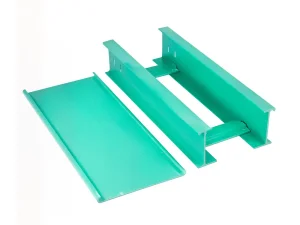
FRP Ladder Type Cable Tray
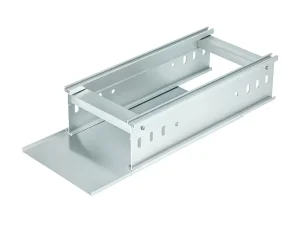
Pre-Galvanized GI & HDG Reinforced Ladder Tray
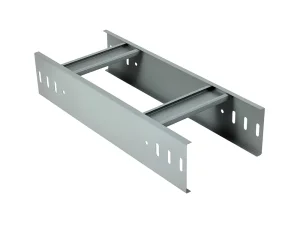
Fireproof Powder Coated Pre-Galvanized Ladder Tray
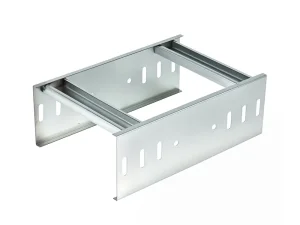
304 & 316 Stainless Steel Perforated Ladder Tray
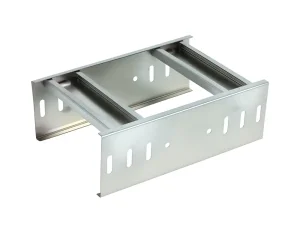
Wholesale 304 & 316 Stainless Cable Ladder
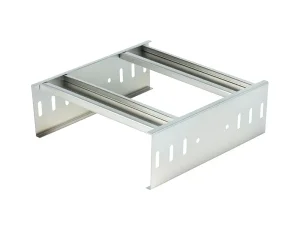
Heavy Duty Stainless Cable Ladder System
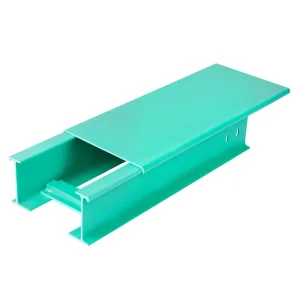
Lightweight Fiberglass (FRP) Ladder Cable Tray
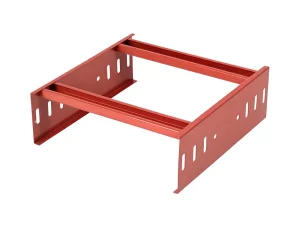
Pre-Galvanized Powder Coated Cable Ladder (Red)
Global Ladder Tray Commercial Landscape & Price Breakdown
Understanding how raw substrate indexes, zinc coating thickness, labor automation, and ocean freight correlate with your final installed cost per meter.
Commodity & Raw Material Fluctuations
Ladder tray pricing is intrinsically pegged to global metal exchanges, specifically SHFE & LME Hot-Rolled Carbon Steel Coils, Nickel premiums for 304/316 stainless alloys, and pultruded resin/glass-roving indices.
Raw substrate represents approximately 55% to 68% of the ex-factory production cost. Tier-1 manufacturers mitigate pricing volatility through bulk quarterly rolling reserve contracts, hedging unpredictable spot-market surges for multinational engineering firms.
Surface Coating Economics
The transition from Pre-Galvanized (PG: 15–20µm zinc) to Hot-Dip Galvanized (HDG: 65–85µm zinc according to ASTM A123 / ISO 1461) typically incurs a 28% to 42% cost uplift due to manual dipping, chemical pickling, and environmental energy expenditure.
Specialized powder coatings (epoxy, thermosetting polyester, or fireproof intumescent treatments) add both aesthetic zoning and critical dielectric protection, adding $1.80 to $3.50 per linear meter depending on total dry film thickness (DFT).
Total Installed Cost (TIC) vs FOB Price
Experienced EPC project managers recognize that tray procurement is only one portion of the lifecycle expenditure. Pre-punched rung accessories, snap-in splice plates, and modular unistrut bracket integration can reduce site labor by up to 35%.
Opting for lightweight pultruded FRP or structurally optimized ribbed side rails allows wider support spans (up to 6 meters), sharply reducing structural steel framing, seismic brace frequency, and civil installation overhead.
| Material / Specification | Typical Thickness | Standard Span Rating | Corrosion Grade (ISO 12944) | Relative Cost Index | Typical Lead Time |
|---|---|---|---|---|---|
| Pre-Galvanized Steel (GI) | 1.2 mm – 2.0 mm | 1.5 m – 3.0 m | C1 – C2 (Indoor Clean) | Baseline (1.0x) | 5 – 10 Days |
| Hot-Dip Galvanized (HDG) | 1.5 mm – 3.0 mm | 2.0 m – 6.0 m | C3 – C4 (Industrial Exterior) | 1.35x – 1.50x | 10 – 15 Days |
| Stainless Steel (AISI 304) | 1.2 mm – 2.5 mm | 2.0 m – 4.0 m | C4 (Food / Cleanroom) | 2.40x – 2.80x | 12 – 18 Days |
| Marine Stainless (AISI 316L) | 1.5 mm – 3.0 mm | 2.0 m – 6.0 m | C5-M / CX (Offshore Splash) | 3.20x – 3.75x | 15 – 20 Days |
| Pultruded FRP / GRP (Isophthalic) | 3.0 mm – 5.0 mm | 3.0 m – 6.0 m | Non-Corrosive / Chemical Res. | 1.75x – 2.10x | 14 – 20 Days |
Chinese Factory Supply Chain Resilience & Qiongkai Engineering
Headquartered in Songjiang, Shanghai since 2005, Shanghai Qiongkai operates at the intersection of raw material access, advanced CNC robotics, and international deep-water logistics.
Upstream Coil Integration
Positioned along the Yangtze River Delta industrial belt, Qiongkai directly sources certified structural steel coils from top domestic steelmakers (Baosteel, Shagang). This direct supply integration guarantees mill test certificates (EN 10204 3.1) with verified chemical composition and tensile elongation.
- Guaranteed yield strength > 235–355 MPa
- Zero secondary scrap blending
- Consistent coil tolerance (±0.05 mm)
Automated Cold Roll-Forming
Our 12 automated production lines utilize multi-stage cold roll-forming with continuous CNC punching stations. Rung-to-rail joins are mechanically swaged with high-tonnage multi-point clinching or automated continuous TIG/MIG robotic welds.
- Uniform structural side rail profiles up to 200 mm
- Automated rung pitch variation (150 mm to 300 mm)
- Zero micro-cracking at structural bend radiuses
Deep-Water Port Proximity
Our facility in Songjiang District provides direct multimodal access to Shanghai Port (Yangshan Deep-Water Terminal and Waigaoqiao), the world's highest-volume container transit hub.
- 48-hour gate-in turnarounds for breakbulk & 40HQ containers
- Bundled palletized steel framing nesting to maximize CBM utilization
- Full export crating with vapor-phase rust inhibitors
Localized Application Scenarios: Engineering Case In-Depth
Review how Qiongkai cable ladder platforms are engineered for extreme loading, aggressive ambient environments, and seismic stability across 5 mission-critical industries.
Hyperscale Data Halls & Colocation
Modern enterprise data facilities mandate ultra-high capacity overhead cable runways to isolate high-voltage power feeds from low-voltage fiber optic trunk lines.
Engineered Solution: Powder-coated pre-galvanized ladder trays with radiused drop-outs, preventing bend radius attenuation in multi-strand fiber cables. Smooth rung geometry eliminates sheath abrasion during automated robotic cable pulling.
Reference: Tier-4 Data InfrastructureOffshore LNG & Petrochemical Facilities
Marine environments deliver intense atmospheric salinity, continuous hydrogen sulfide gas emissions, and extreme thermal expansion cycles.
Engineered Solution: Marine-grade AISI 316L pickled/passivated stainless steel ladder or pultruded fire-retardant FRP trays. Successfully supplied to the Qatar Offshore LNG project with custom reinforced side rails capable of 6-meter unsupported pipe-rack spans.
Reference: Qatar Offshore LNG PlatformUtility-Scale Solar & Wind Substations
Renewable power substations demand high ampacity carrying capacities where heavy-diameter single-core aluminum/copper cables experience severe electromagnetic heat buildup.
Engineered Solution: Heavy-gauge Hot-Dip Galvanized ladder trays. The open rung structure maximizes natural air ventilation, providing continuous current derating advantages compared to solid-bottom wire trunking systems.
Reference: High-Voltage Collector SubstationsHeavy Manufacturing & Automotive
Industrial vehicle manufacturing facilities feature wide equipment bays where roof-hung cable bridges must span massive distances across automated assembly lines.
Engineered Solution: Deep side rail (150 mm & 200 mm) reinforced GI ladder trays paired with Qiongkai 41x82 back-to-back anti-seismic unistrut channels, maintaining dynamic deflection limits under L/200 load standards.
Reference: Heavy Automation Assembly BaysCivil Aviation & Rail Transit
Mass transit hubs mandate strict zero-halogen fire retardancy, public smoke containment, and decades of uninterrupted service life without oxidation.
Engineered Solution: Corrosion-resistant CT series trunking and intumescent powder-coated cable ladder systems deployed across Shanghai Hongqiao International Airport transit corridors, ensuring emergency fire circuit survival under GB 29415 standards.
Reference: Hongqiao International AirportAgri-Industrial & Corrosive Livestock
High-density animal confinement facilities generate intense biological ammonia fumes that dissolve conventional zinc coatings within 24 to 36 months.
Engineered Solution: Hybrid polymer-coated or custom-compounded FRP-lined structural cable trays engineered for large-scale agricultural facilities in Paraguay, achieving maximum structural longevity on a constrained capital budget.
Reference: Agro-Industrial Farm, ParaguayTechnical Roadmap: The Future of Cable Support Systems
How Qiongkai R&D is redefining industrial cable support through automated modularity, green metallurgical coatings, and intelligent structural modeling.
BIM LOD 400 Digital Twins
As construction engineering migrates toward cloud-managed virtual design, Qiongkai has developed complete parametric Autodesk Revit BIM families with Level of Development (LOD) 400 precision.
Designers can integrate trays, expansion joints, reducers, and unistrut trapeze hangars with accurate spatial interference calculations, automating structural bill of quantities (BOQ) extraction.
Next-Generation ZAM Alloy Coatings
Moving beyond conventional post-galvanizing, Qiongkai is introducing Zinc-Aluminum-Magnesium (ZAM) alloy-coated sheet technology (containing 6% Al and 3% Mg).
ZAM delivers self-healing anodic passivation on sheared, stamped edges and laser-cut holes. It provides up to five times greater salt-spray resistance than continuous hot-dip zinc without requiring secondary dipping.
Modular Seismic Dynamic Bracing
Seismic risk codes (IBC 2024 / Eurocode 8) require complete cable tray assemblies to resist combined horizontal and longitudinal seismic accelerations without joint detachment.
Our R&D facility has engineered articulated snap-bracket splices and serrated seismic unistrut channels tested under dynamic shake-table protocols up to 2.5g ground acceleration.
Global Compliance & Testing Protocol Assurance
Every linear meter of Qiongkai cable ladder is manufactured, measured, and verified under internationally harmonized electrical containment codes.
NEMA VE 1 / CSA C22.2 No. 126
Governing metal cable tray systems across North American and Middle Eastern project specifications. Trays are classified under defined load classes (e.g., NEMA 12C, 20A, 20C) designating safe working loads up to 100 lbs/ft (149 kg/m) across 20-foot (6.1 m) spans with a verified safety factor of 1.5.
IEC 61537 / CE Harmonization
Governing European, Australian, and international projects. Mandates strict electrical continuity validation (impedance < 50 mΩ across splice joints), safe working load (SWL) deflection ratios within L/100, and non-flame propagation testing under severe short-circuit electromagnetic stress.
ASTM Coating & Metallurgical Tests
Rigorous quality inspection encompasses ASTM A123 / A153 hot-dip zinc thickness validation via electromagnetic gauge, ISO 9227 neutral salt spray test exceeding 1,000 hours, and cross-hatch adhesion testing (ASTM D3359) for high-performance powder coated assemblies.
Engineering & Procurement Frequently Asked Questions
Direct answers to the most critical structural, metallurgical, and commercial inquiries submitted by EPC contractors and electrical consulting engineers.
How do ladder cable trays compare against perforated trays and wire mesh baskets in heavy industrial projects?
1. Superior Heat Dissipation: Complete free-air circulation prevents thermal derating of heavy power conductors, maintaining conductor ampacity and reducing electrical copper cross-section requirements.
2. Unmatched Structural Strength: Rigid roll-formed side rails (up to 200 mm height) allow long support spans (up to 6 meters), sharply reducing structural steel trapeze requirements compared to basket mesh trays.
3. Low Maintenance & Debris Shedding: The open bottom prevents accumulation of combustible industrial dust, moisture, or chemical condensates, preserving cable jackets and eliminating standing-water corrosion.
What factors directly influence the quoted price per meter of a cable ladder system?
- Raw Substrate Index: Current mill price of carbon steel coils, grade 304/316L stainless steel, or pultruded resin/glass matrix.
- Side Rail & Rung Gauge: Material thickness ranging from light-duty 1.2 mm to heavy-duty 2.5 mm or 3.0 mm.
- Surface Treatment: Pre-galvanized (standard baseline) versus Hot-Dip Galvanized post-fabrication (+30% to +45%), or specialized RAL architectural/fire retardant powder coating.
- Rung Spacing Configuration: Standard 300 mm (12-inch) spacing vs high-density 150 mm (6-inch) or 225 mm (9-inch) spacing for small instrumentation cables.
- Ocean Freight Logistics: Efficient bundle nesting and factory proximity to deep-water container ports (such as Qiongkai's direct routing via Shanghai Port).
What is the difference between welded rungs and mechanically swaged rungs?
Mechanically Swaged Rungs: Formed using high-tonnage cold clinching. This method preserves pre-galvanized zinc layers on both the rung and side rail without thermal burning or welding slag, providing a clean appearance for indoor commercial and data center installations.
Robotic MIG/TIG Welded Rungs: Ideal for heavy-duty structural steel intended for post-fabrication Hot-Dip Galvanizing (HDG) and stainless steel platforms. Welding creates an integrated rigid frame capable of withstanding dynamic seismic shock and high short-circuit magnetic repulsion forces.
When should FRP (Fiberglass) ladder trays be specified over 316L stainless steel?
Chloride & Acid Attack: FRP is completely immune to hydrochloric, sulfuric, and chlorine-induced pitting corrosion, which can cause micro-fissuring even in high-alloy stainless steels over decades.
Weight Constraints: FRP is approximately 40% to 50% lighter than structural steel, simplifying installation on offshore oil platforms and high-elevation industrial ceilings.
Dielectric Safety: Non-conductive FRP eliminates the need for expensive equipotential bonding systems in hazardous electrical environments.
How do you verify allowable cable tray deflection under full load?
The mid-span vertical displacement is measured via digital micrometers. In standard industrial specifications, structural deflection must not exceed L/200 of the span distance (e.g., no more than 15 mm across a 3,000 mm span) to ensure structural integrity and prevent physical strain on cable jackets.
Can Shanghai Qiongkai supply custom bend radiuses, reducer fittings, and accessories?
Engineered Cable Ladder Systems (Part II)
Discover our specialized color-coded, telecom-grade, and heavy-gauge galvanized ladder rack systems designed for diverse plant installations.
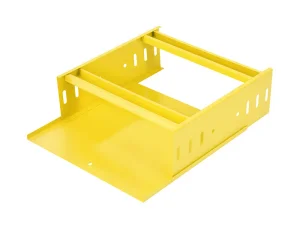
Powder Coated Cable Ladder (Safety Yellow)
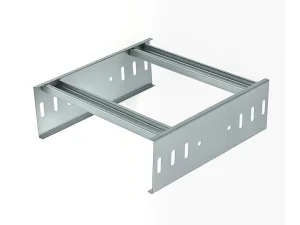
Lightweight Pre-Galvanized Cable Ladder
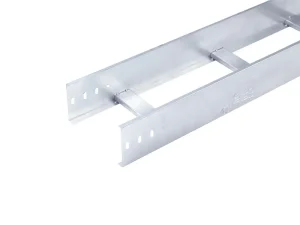
Industrial Pre-Galvanized Ladder Cable Tray
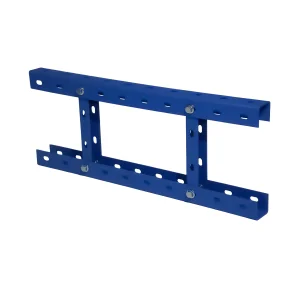
Durable Blue Powder Coated Ladder Cable Rack
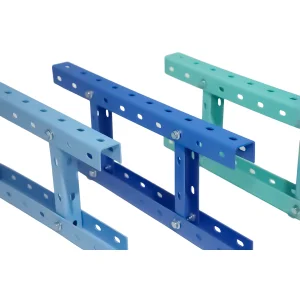
Powder Coated Telecom Cable Management Rack
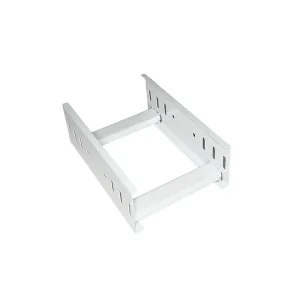
Architectural Powder Coated Cable Ladder
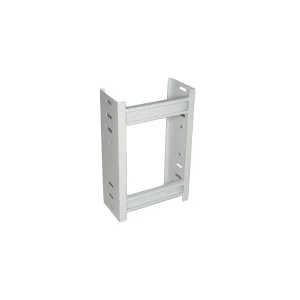
Wholesale Powder Coated Ladder Tray
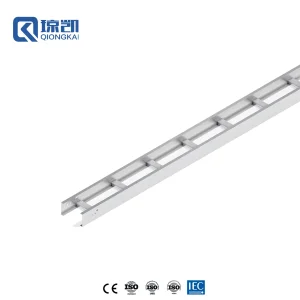
GI Galvanized Cable Ladder 200×100 mm
Request Engineering Drawings, BOQ Audits & Direct Factory Quotes
Partner with Shanghai Qiongkai Industry Co., Ltd. from initial front-end engineering design (FEED) to turnkey jobsite delivery. Submit your project bill of quantities or CAD layout for load verification, structural optimization, and container shipping estimates.