
Standard & Heavy-Duty Structural Cable Trays
Explore our top-tier manufactured containment assemblies. Engineered with structural ribs, precise tolerances, and high-tensile alloys designed for extreme load bearing.
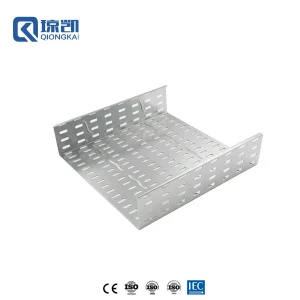
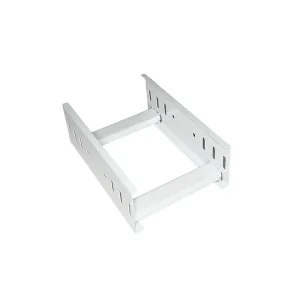
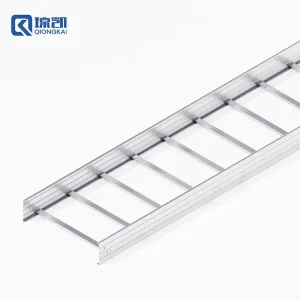
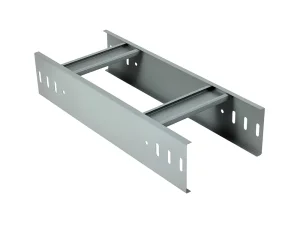
Market Shifts: Why Engineering EPCs Turn to Aluminum Systems
Global electrical engineering is experiencing a baseline structural transition from hot-dip galvanized steel toward architectural-grade aluminum (principally 6063-T6 and 5052-H32 alloys) across mega-projects worldwide.
Strength-to-Weight Optimization
Aluminium cable trays provide up to a 60% weight reduction compared to structural mild carbon steel, fundamentally reducing secondary structural steel dead-loads on buildings, marine topsides, and suspended pipe racks without sacrificing NEMA load classifications.
Intrinsic Passive Oxide Protection
Unlike carbon steel which depends entirely on sacrificial zinc coatings prone to damage during on-site cutting and drilling, aluminum continuously forms an instantaneous, self-healing chromium-free passivating oxide film (Al₂O₃) resilient to marine and chemical environments.
Electromagnetic Shielding & Thermal Loss
Aluminum is non-magnetic, dramatically eliminating eddy-current losses and localized hysteresis heat dissipation commonly found when high-amperage, single-conductor AC cables are installed within conventional ferromagnetic containment channels.
China Factory 4.0: Supply Chain Resilience & Precision Scale
Operating from the Songjiang Port Science and Technology hub in Shanghai, our integrated manufacturing facilities deliver high-precision manufacturing, end-to-end traceability, and port logistics agility directly into international distribution hubs.
Automated High-Speed Extrusion
Equipped with 3500-ton direct hydraulic extrusion presses and automated multi-station cold roll formers, our plants produce continuous profile side rails up to 12 meters in length with dimensional tolerances strictly kept under ±0.25mm.
Robotic Swaging & TIG Welding
Rung-to-side-rail joints feature cold-mechanical expansion swaging or pulse robotic TIG welding, guaranteeing joint tensile resilience against dynamic cyclic thermal loading, short-circuit shear forces, and severe seismic stresses.
Port Proximity & Supply Chain Resilience
Positioned next to Shanghai Yangshan and Waigaoqiao deep-water container terminals, our synchronized logistics enable seamless high-volume containerized shipments with integrated fumigated packaging, sea-worthy bundling, and customs documentation clearances.
Comprehensive Material Lifecycle Evaluation
Review our detailed engineering index across critical parameters to balance initial capital expenditures (CapEx) against total operational lifecycle costs (OpEx).
| Material / Alloy Spec | Yield Strength (MPa) | Weight Comparison | Corrosion Resistance | Magnetic Hysteresis | Recommended Applications |
|---|---|---|---|---|---|
| Aluminium 6063-T6 | ≥ 170 MPa | Baseline (~35% of Steel) | Superior (C3-C5M) | Zero (Non-Magnetic) | Industrial plants, offshore rigs, hyperscale data centers |
| Hot-Dip Galvanized (HDG) | ≥ 235 MPa | Heavy (~100%) | High (C3-C4) | High (Ferromagnetic) | Heavy civil power distribution, outdoor sub-stations |
| Pre-Galvanized (PG) | ≥ 210 MPa | Heavy (~100%) | Moderate (C1-C2) | High (Ferromagnetic) | Commercial office fit-outs, dry indoor ceilings |
| Stainless Steel 316L | ≥ 220 MPa | Heavy (~105%) | Extreme (C5M / CX) | Ultra-Low | Subsea splashes, marine decks, chemical plants |
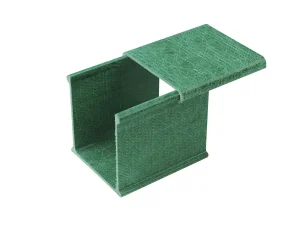
| Fiberglass (FRP / GRP) | ≥ 150 MPa | Medium (~45%) | Immune to Acid | Zero (Dielectric) | Desalination plants, caustic chemical refineries |
Worldwide Engineering Case Implementations
From hyper-scale cloud server facilities to offshore liquefied natural gas terminals, our products perform under severe testing regimes.
Hyperscale Cloud Data Halls
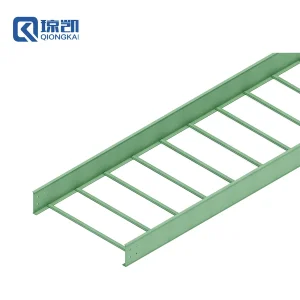
Overhead containment pathways handling thousands of Category 6A, high-count fiber optic, and busway drops require non-deflecting, lightweight ladder systems with open rungs to maximize convective airflow and eliminate heat pockets.
Offshore Marine & LNG Complexes
Custom profiled sections deployed in Qatar offshore platforms and coastal terminals in Southeast Asia resist airborne saline chlorides while preventing mechanical stress fractures under relentless monsoon and high-temperature cycling.
Airports & Rail Transit Infrastructure
Installed extensively in critical transportation nodes such as Shanghai Hongqiao International Airport, ensuring electromagnetic compatibility (EMC) compliance and uninterrupted low-smoke cabling performance across public transit hubs.
Support Channels, Fittings & Heavy Trunking Systems
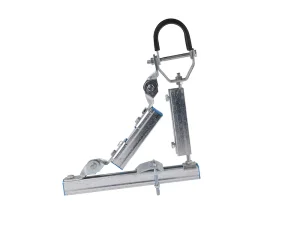
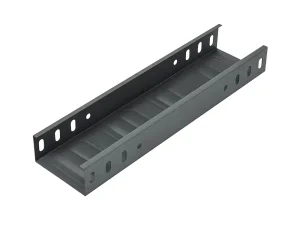
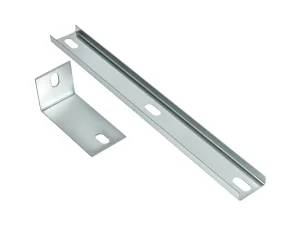
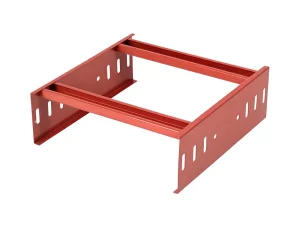
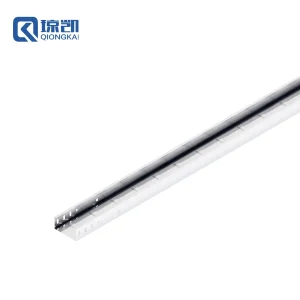
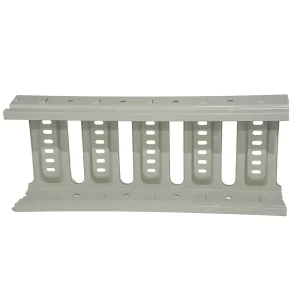
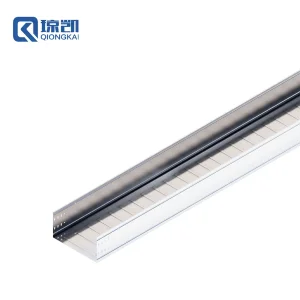
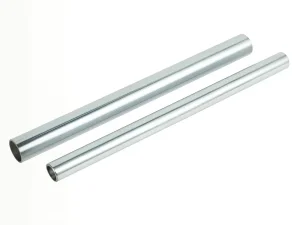
Complete your installation envelope with factory-matched seismic brackets, reinforced solid-trough trunking channels, and certified electrical conduits.
Essential Global Procurement Standards Checkpoints
When procuring aluminum cable containment packages across international borders, procurement officers must verify critical mechanical and electrical qualifications.
Working Load Capacity (NEMA VE-1)
Verify safe load ratings over specific support spans (e.g., 3.0m, 4.5m, 6.0m) complying with NEMA Class 12C, 20A, 20B, or 20C with a minimum safety factor of 1.5 against structural yield point buckling.
Electrical Continuity & Bonding
Aluminum trays function efficiently as Equipment Grounding Conductors (EGC) under NEC Article 392, provided splice plates, jumper cables, and contact serrations satisfy minimum electrical resistance criteria.
Thermal Expansion Allowances
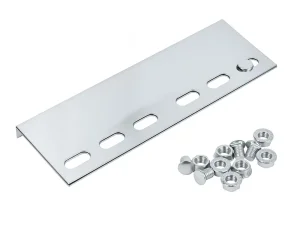
Aluminum expands at approximately 23 × 10⁻⁶ /°C (nearly double mild carbon steel). Engineering design packets must include slotted expansion splice plates and bonded jumper straps every 24 to 30 meters.
Frequently Asked Technical & Procurement Questions
Get authoritative answers directly from our factory engineering leadership to common questions regarding specifications, tolerances, and logistics.