
Featured Basket Trays & Industrial Cable Trays
Select from our precision-engineered, corrosion-resistant trays produced under strict ISO 9001 and IEC 61537 manufacturing standards.
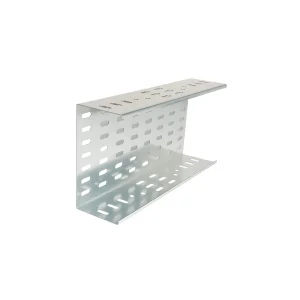
Buy Customized Dense Pre Galvanized Perforated Cable Tray Factory, Price
View Specifications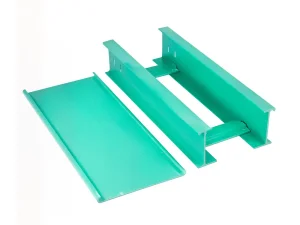
Buy FRP Ladder type Cable Tray Supplier, Factory
View Specifications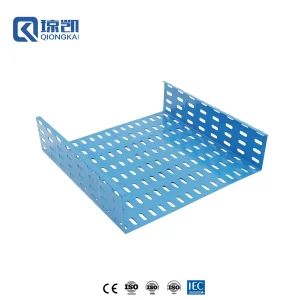
Buy Powder Coated Carbon Steel Pre Galvanized HDG Cable Tray RAL5015 Blue
View Specifications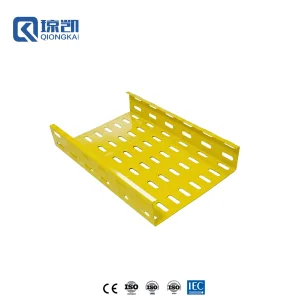
Wholesale Powder Coated Carbon Steel PG HDG Cable Tray RAL1080 Yellow
View Specifications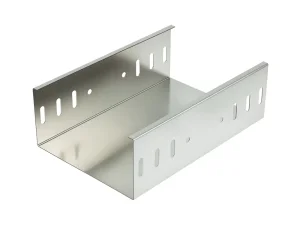
Buy Stainless Cable Tray With Perforation Supplier, Factories
View Specifications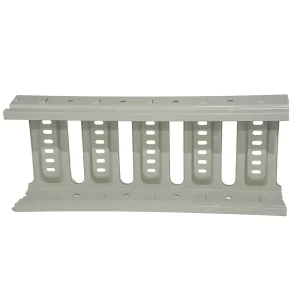
Wholesale Powder Coated Perforated Ladder Type Cable Tray Customizable
View Specifications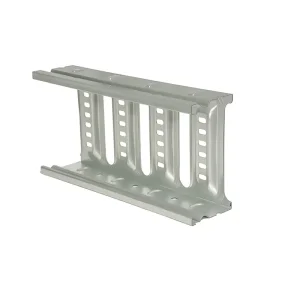
Wholesale Pre Galvanized Customizable Ladder Heavy Duty Cable Tray
View Specifications
Wholesale 100*25 Stainless Steel Extreme Perforated Cable Tray Supplier
View SpecificationsThe Global Commercial & Industrial Trajectory of Basket Trays
Strategic analysis of modern cable routing infrastructure: evaluating mechanical integrity, electromagnetic compatibility, and thermodynamic management in hyperscale applications.
Global Market Decarbonization & Modularization
The transition from enclosed solid-bottom conduits to open-architecture steel wire mesh (basket) cable trays represents a permanent evolutionary shift across commercial electrical engineering. Today, industrial facilities demand cable infrastructure capable of rapid reconfiguration without requiring structural deconstruction.
By eliminating up to 60% of the raw steel mass typical of solid channels, basket trays drastically lower the embodied carbon footprint (Scope 3 emissions) of modern projects. International engineering firms routinely mandate wire basket trays for LEED-certified and green building projects worldwide.
Thermodynamic Dissipation & Ampacity Gains
High-density power transmission cables (especially Cat6A, Cat8, and 600V/1000V multi-conductor industrial feeders) generate noticeable Joule heating under continuous operation. When restricted in enclosed trunking, thermal build-up forces electrical engineers to derate cable ampacity by up to 25%.
Basket trays offer completely unobstructed 360-degree ambient convection. Air flows freely across jacket surfaces, avoiding hot spots, maximizing conductor longevity, and eliminating thermal-induced power loss across extensive mission-critical cable runs.
Electromagnetic Interference (EMI) Mitigation
In automated industrial robotics, discrete signal cabling often runs alongside high-draw VFD power runs. Welded cross-wire steel mesh acts as a functional Faraday-attenuating grid. With standard low-impedance ground clamps installed at intervals conforming to IEEE 518, basket trays provide substantial high-frequency noise suppression.
This mesh attenuation protects against signal dropouts in high-speed optical transceivers and industrial Ethernet networks, securing stable signal transfer across noisy automation plant floors.
Metallurgical Finishes & Load-Bearing Matrix
Comprehensive engineering comparison of basket tray metallurgy, atmospheric exposure resistance classes, and physical mechanical properties.
| Material / Treatment | Standard Spec | Layer Thickness / Comp. | Yield Strength | Atmospheric Classification | Ideal Application Environments |
|---|---|---|---|---|---|
| Electro-Galvanized (EG) | ASTM B633 / BS 7371 | 12–15 µm Zinc | ≥ 235 MPa | C1 – C2 (Low) | Controlled commercial interiors, data centers, clean IT server closets. |
| Pre-Galvanized (PG) | EN 10346 / ASTM A653 | 18–22 µm Continuous | ≥ 250 MPa | C2 (Moderate) | Commercial office false ceilings, light utility routing, dry warehouses. |
| Hot-Dip Galvanized (HDG) | ISO 1461 / ASTM A123 | 65–85 µm Zinc Bath | ≥ 280 MPa | C3 – C4 (Severe) | Heavy industrial plants, outdoor infrastructure, petrochemical yards, rail. |
| Stainless Steel 304 | AISI 304 / EN 1.4301 | 18% Cr / 8% Ni | ≥ 310 MPa | C4 (Chemical) | Food processing lines, beverage packaging, pharmaceutical sanitization zones. |
| Stainless Steel 316L | AISI 316L / EN 1.4404 | 16% Cr / 10% Ni / 2% Mo | ≥ 330 MPa | C5-M (Marine) | Offshore oil & gas rigs, coastal desalination plants, marine vessel builds. |
| FRP / Composite | ASTM D3917 / UL 94-V0 | Isophthalic / Vinyl Ester | ≥ 220 MPa | Extreme Acid/Alkali | Wastewater treatment, electroplating workshops, chlorine-dense chemical tanks. |
Automated Spot-Welding & Structural Integrity
Our automated production facilities utilize multi-point resistance projection welding machines. Longitudinal and transverse wire junctions achieve a fusion weld penetration depth of 25% to 35% without altering the core metallurgical grain structure.
This automated approach yields a cross-wire pull-apart shear strength exceeding 1,800 N per node, easily outperforming international IEC 61537 deflections limits (retaining an L/200 deflection ratio under full structural cable load over 2.0 to 3.0 meter support spans).
Elimination of "Zinc Whiskers" in Sensitive Tech
Under-floor server plenum deployments face severe electrical short-circuit threats from electro-plated zinc whiskers. Our facility utilizes a proprietary post-plate thermal passivation step alongside high-grade Pre-Galvanized and Powder-Coated pathways.
This process inhibits sub-micron zinc filament growth, protecting high-density enterprise computing switches, SAN storage hubs, and edge compute racks from micro-contaminant outages.
Worldwide Industrial Deployments & Regional Adaptation
Field-proven engineering performance adapted to regional climatic realities, seismic forces, and regulatory requirements.
Hyperscale Cloud Data Halls (North America & APAC)
In massive modular colocation data centers across Northern Virginia, Singapore, and Frankfurt, Qiongkai basket tray matrices carry dense, fiber-heavy overhead pathways above server white space. Our rapid push-and-click toolless joiners reduce field splice time by up to 65%.
Integrated radiused drop-outs eliminate micro-bending signal losses in sensitive OS2/OM4/OM5 fiber cables, fully satisfying TIA-569-D and NFPA 70 (NEC 392) cable fill limits.
Sanitary Food, Beverage & Dairy (European Union)
European food processing lines enforce demanding HACCP and EHEDG standards. Solid-bottom trays collect moisture, biological matter, and washdown spray, introducing severe bacterial risks.
Qiongkai electropolished SS316L wire basket trays eliminate concealed internal corners. Washdown solutions drain freely at high pressure (up to 1,500 PSI steam washdowns), eliminating harborage spots and enabling visible hygiene inspections across the entire cable run.
Offshore Platforms & Desalination (Middle East GCC)
In high-salinity coastal areas of Qatar, Saudi Arabia, and the UAE, airborne chlorides attack standard industrial coatings. Qiongkai supplies high-build hot-dip galvanized trays (with guaranteed coating thickness exceeding 85 microns) and marine-grade FRP systems.
These systems operate reliably in ambient temperatures above 50°C and relentless UV exposure, eliminating premature field corrosion and protecting heavy power runs in key energy projects.
Heavy Agriculture & Chemical Processing (Latin America)
Agricultural processing and feed facilities across Brazil and Paraguay contend with humid, ammonia-rich atmospheres that rapidly degrade standard zinc finishes.
Qiongkai provided heavy-duty powder-coated and custom reinforced systems that withstand aggressive chemicals, vibration from grain processing mills, and demanding structural requirements without premature service interventions.
Macroscopic Solutions & Technical Roadmap (2025–2030)
Where structural fabrication meets building information modeling (BIM), smart operations, and circular engineering principles.
BIM 3D Integration & Algorithmic Prefabrication
To reduce jobsite scrap and costly field cutting, Qiongkai offers comprehensive REVIT, IFC, and DWG model libraries. Engineering firms integrate exact load data, hanger intervals, and physical bend radii into the 3D BIM model before ordering.
Our Shanghai factory utilizes digital take-offs to supply pre-cut, factory-molded 90° bends, tee junctions, and reducer branches, speeding up jobsite installations and minimizing installation waste.
Certified Structural Fire Resistance (DIN 4102-12)
Emergency life-safety cables—including smoke extraction fans, emergency exit illumination, and fire-pump circuits—must maintain operational circuit integrity under extreme thermal exposure.
Our heavy-duty wire basket systems, when secured with our engineered ceiling and wall brackets, achieve fire resistance ratings matching E30, E60, and E90 standards (maintaining structural integrity for up to 90 minutes at furnace temperatures above 1,000°C).
IoT-Enabled Smart Trajectory Monitoring
The next frontier for enterprise industrial infrastructure is real-time health monitoring of mission-critical pathways. Qiongkai is currently developing smart structural sensor clamps that clip directly onto basket tray side wires. These low-power sensor nodes monitor localized thermal rises, dynamic mechanical strain, and abnormal structural vibrations caused by ambient seismic tremors or unexpected cable overloading, streaming telemetry directly into SCADA or facility DCIM systems.
Direct Manufacturing Footprint: Shanghai Qiongkai
Operational scale, specialized machinery, and integrated fabrication lines powering reliable deliveries to over 50 export markets worldwide.
3 Modern Production Bases
Headquartered in Shanghai Songjiang Port Science and Technology City, our operations span 30,000 m² of specialized manufacturing space. This provides our export packaging teams direct highway access to Shanghai's deep-water Yangshan and Waigaoqiao export terminals for fast ocean freight container dispatch.
60+ Heavy-Duty Machines
Our production bays house cold-wire drawing stations, multi-axis hydraulic steel press brakes, automated roll formers, CNC punch presses, and multi-electrode mesh welders capable of delivering high-precision dimensional tolerances across large orders.
12 Complete Assembly Lines
Dedicated production tracks operate continuously for wire mesh basket trays, solid and perforated industrial trays, structural ladder channels, and seismic strut support framing, ensuring reliable production schedules for phased international projects.
Frequently Asked Technical & Procurement Questions
Clear answers for EPC consultants, electrical project managers, and sourcing directors assessing basket tray systems.
What specific advantages does a wire mesh basket tray have over solid-bottom trunking?
Wire mesh basket trays offer four key advantages: superior heat dissipation, which avoids cable derating penalties; cleaner, more adaptable cable routing, allowing branch breakouts without drilling; significantly lighter weight, which reduces ceiling structural loads and simplifies handling; and reduced dust accumulation, which helps maintain higher fire safety standards in cleanrooms and data centers.
How do you verify structural load capacity under IEC 61537 and NEMA VE 1?
Our quality lab performs Type Testing on a continuous multi-span setup according to IEC 61537 Section 10. Trays are uniformly loaded with calibrated steel ingots across standard support spans (1.5 m, 2.0 m, 2.5 m, and 3.0 m). We record deflection using digital linear gauges to confirm it stays well below the 1/100 span threshold. Safe Working Load (SWL) certification includes a minimum structural safety factor of 1.7 against ultimate collapse.
What finish is recommended for outdoor industrial vs. indoor data center use?
For indoor clean spaces and data centers, Electro-Galvanized (EG) or Pre-Galvanized (PG) provides clean aesthetics and adequate indoor protection. Where zinc whiskers are a concern, choose Powder-Coated or post-passivated finishes. For outdoor industrial facilities, solar farms, and wet processing lines, select Hot-Dip Galvanized (HDG) with 65–85 µm zinc depth. For offshore platforms or chemical washdowns, use AISI 316L Stainless Steel or FRP composite systems.
Can you manufacture custom wire diameters, grid spacings, or side profile heights?
Yes. Beyond standard 50×100 mm grid geometries with 4.0 mm to 6.0 mm wire diameters, we regularly fabricate customized side heights (from 35 mm up to 150 mm) and specialized tray widths (from 50 mm up to 1,000 mm). Tooling configurations can be tailored for specialized energy systems, mass transit cars, or tight tunnel clearances.
How does the electrical bonding and grounding continuity function across tray joints?
According to IEC 61537 clause 11, cable tray assemblies must maintain electrical conductivity across joints. Our precision bolted or toolless splice plates are engineered to achieve joint resistance below 50 milliohms (mΩ). For runs carrying heavy power feeders, dedicated copper earth bonding jumpers should be installed at prescribed intervals to safely dissipate potential fault currents.
What are the standard international lead times and export packaging safeguards?
Standard catalog configurations ship within 10 to 18 days from technical sign-off; customized dimensions or high-volume marine-grade orders typically require 20 to 30 days. Export packaging includes reinforced timber skids, corrosion-inhibiting VCI plastic wrap, corner edge protectors, and steel band strapping designed to withstand ocean container freight handling.
Industrial Trays, Wire Mesh Baskets & Framing Parts
Explore our complementary cable containment lineup, including wire mesh grids, perforated channels, and seismic bracket hardware.
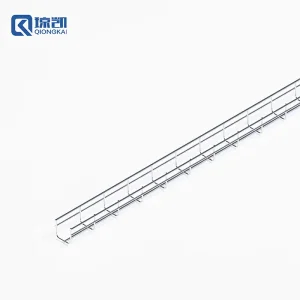
Buy GI Galvanized Wire Mesh Cable Tray 50*50 Manufacturer, Factories
View Specifications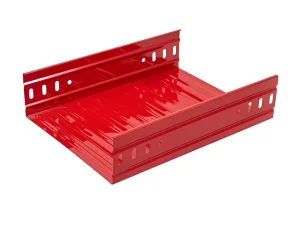
Buy Fireproof Red Pre Galvanized Powder Coated Cable Tray Supplier
View Specifications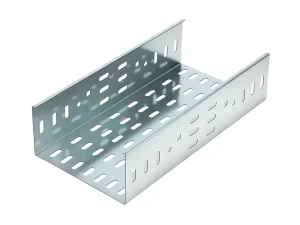
Buy Pre Galvanized Cable Tray With Customizable Parameters Manufacturer
View Specifications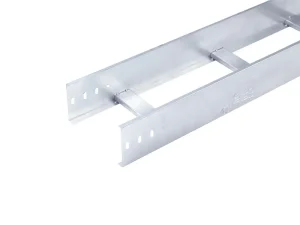
Wholesale Pre Galvanized Ladder Cable Tray Factory, Factories
View Specifications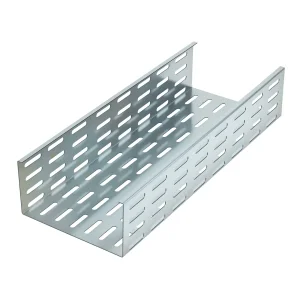
Buy Pre Galvanized Perforated Cable Tray 200mm Manufacturers, Supplier
View Specifications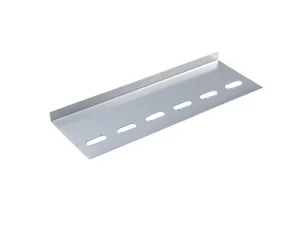
Wholesale Pre-Galvanized Connections Spare Parts Manufacturers
View Specifications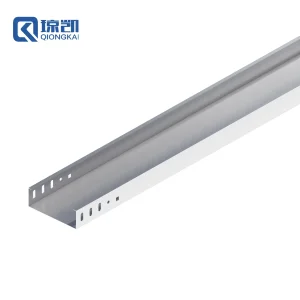
Buy Carbon Steel PG HDG SS Cable Trunking Trough 150*50
View Specifications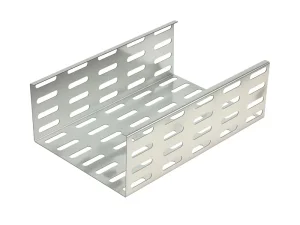
Buy Stainless Steel Perforated Cable Tray 200mm Width Suppliers
View SpecificationsNeed a Comprehensive Cable Route Take-Off & Bill of Materials?
Our engineering department provides free structural load verification, seismic bracing calculations, and BIM-compatible schedule take-offs based on your single-line diagrams and facility floor plans.