
Engineered Cable Tray & Framing Showcase
Precision-machined ladder racks, wire mesh basket systems, strut channel assemblies, and custom-coated components manufactured across our Shanghai facilities.
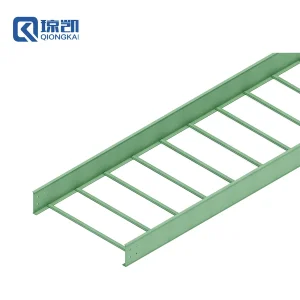
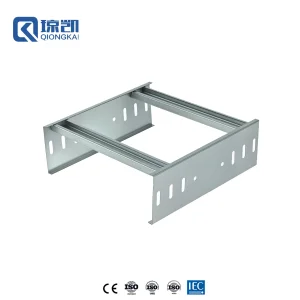
Buy Powder Coated Ladder Type Cable Tray 200*100 - Gray Manufacturer, Manufacturers
Configure & Quote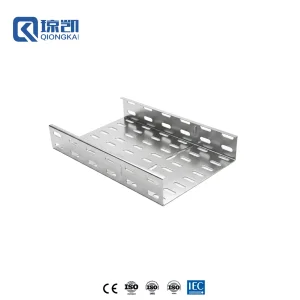
Wholesale Carbon Steel Pre Galvanized PG Hot Dip Galvanized HDG Cable Tray with Reinforce Ribs 200*50 Manufacturers, Suppliers
Configure & Quote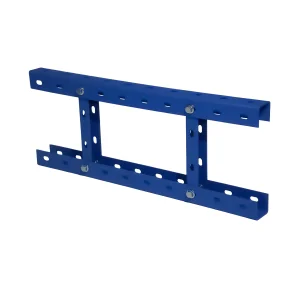
Wholesale Durable Blue Powder Coated Ladder Cable Rack Manufacturer, Suppliers
Configure & Quote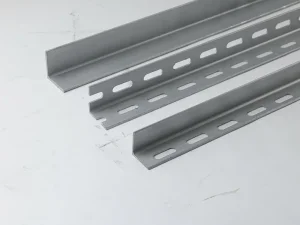
Wholesale Pre Galvanized non-perforated angle iron Manufacturer, Factories
Configure & Quote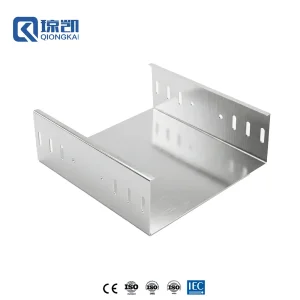
Wholesale Stainless Steel SS 304 316 Cable Trunking 300*100 Manufacturers, Supplier
Configure & Quote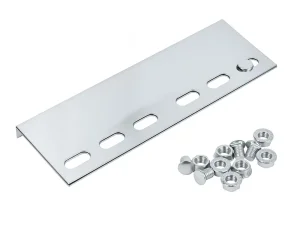
Wholesale Pre-Galvanized Cable Tray Connections spare parts Supplier, Price
Configure & Quote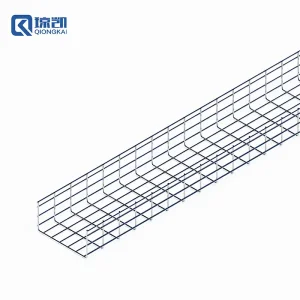
Industrial Scale & Structural Capacity
Since 2005, Shanghai Qiongkai Industry Co., Ltd. has operated as a benchmark manufacturer, engineering heavy-duty cable management and seismic support infrastructure across three integrated facilities.
Years Engineering Cable Systems (Est. 2005)
Automated Heavy Fabrication Facilities
Continuous Roll-Forming & Coating Lines
Heavy-Duty CNC Hydraulic & Stamping Presses
Global Industrial Landscape of Powder-Coated Cable Containment
The global cable management market is undergoing an unprecedented structural transition driven by the explosive expansion of hyperscale data centers, industrial electrification, cleanroom semiconductor fabrication plants, and green maritime infrastructure. Once viewed strictly as a secondary cosmetic choice compared to hot-dip galvanizing (HDG), thermoset electrostatic powder coating has established itself as an indispensable high-performance engineering finish.
In contemporary EPC (Engineering, Procurement, and Construction) specifications, factory-applied powder coating serves two indispensable functions: providing an impermeable, pinhole-free barrier against harsh airborne chemical contaminants (sulfur dioxide, chlorine, saline humidity) and delivering distinct visual pathway segregation via standardized RAL chromatic coding. Across mega-facilities such as cloud server halls, airport transit hubs, and pharmaceutical production complexes, multi-circuit routing demands immediate visual identification to eliminate human error during energized maintenance cycles.
Metallurgical Preparation & Polymer Electrostatics
The functional reliability of powder-coated cable containment is defined at the atomic interface between the steel substrate, conversion crystal layer, and cross-linked polymeric matrix.
Multi-Stage Chemical Pretreatment
Adhesion failure in corrosive industrial environments begins with inadequate surface passivation. Qiongkai factories utilize automated immersion and power-spray pretreatment tunnels comprising alkaline degreasing, multi-stage DI water cascading rinses, and zirconium/silane nano-ceramic conversion coating. This generates a dense, amorphous nanostructure (30-50 nm) providing exceptional mechanical anchoring for subsequent polymer deposition.
Automated Electrostatic Corona Charging
Modern powder deposition lines utilize automatic reciprocators equipped with high-voltage cascade spray guns operating between 60 kV and 100 kV. Ionized air molecules impart a uniform negative static charge to fluid-fluidized powder particles. The grounded cable tray chassis attracts the charged cloud, achieving precise wraparound coverage across complex perforations, return flanges, and ladder rung junctions without Faraday cage defects.
Controlled Convection Curing Kinetics
Polymerization occurs inside computer-regulated radiant convection ovens. Substrate temperatures are maintained strictly within 180°C to 200°C for 10 to 15 minutes. During this thermal plateau, thermosetting resins (polyesters, epoxies, or hybrid formulations) liquefy, flow out to seal structural micro-fissures, and cross-link into a continuous three-dimensional molecular film displaying dry film thickness (DFT) between 60 µm and 120 µm.
Polymer Resin Selection Matrix for Containment Systems
Selecting the precise chemical resin backbone is vital to balance chemical inertness, UV resistance, structural flexibility, and economic expenditure:
| Polymer Chemistry | UV / Weathering Stability | Chemical & Acid Resistance | Mechanical Flexibility | Optimal Operating Environment |
|---|---|---|---|---|
| Pure Polyester (TGIC / Primid) | Superior (ASTM G154) | Moderate | High (ASTM D522) | Exterior industrial complexes, rooftop solar cable trunking, commercial buildings. |
| Epoxy-Polyester Hybrid | Fair (Interior Only) | Very Good | High | Hyperscale data centers, telecommunication halls, metro rail underground stations. |
| Pure Epoxy Resin | Low (Chalking Outdoors) | Maximum (Immersion) | Moderate to High | Submerged wastewater galleries, underground battery rooms, chemical refineries. |
| Fluoropolymer (PVDF) | Ultra-Durable (20+ Yrs) | Maximum Marine | Rigid | Offshore LNG facilities, coastal splash zones, extreme marine exposure (C5-M). |
International Testing Standards & Electrical Continuity
Procuring wholesale cable trays requires complete verification of load performance, electrical grounding compliance, and accelerated cyclic salt-spray durability.
Structural Integrity: NEMA VE 1 / IEC 61537
Every cable tray profile manufactured by Qiongkai undergoes full-scale destructive deflection testing under NEMA VE 1 and IEC 61537 parameters. Side-rail profiles, ladder rung stitch welds, and reinforcing ribs are mathematically designed to handle specified working loads (such as NEMA 12C, 20B, or 20C) with safety factors ≥ 1.5 across continuous 3-meter to 6-meter support spans.
Accelerated Corrosion: ASTM B117 & ISO 12944
To validate long-term lifecycle durability in aggressive atmospheres, our quality assurance protocols subject cross-scribed finished samples to accelerated neutral salt spray testing (ASTM B117) and condensation chambers (ISO 6270). While standard pre-galvanized coatings fail under 150 hours of salt spray, duplex powder-coated galvanized assemblies consistently surpass 1,000 to 2,000 hours without red rust blister creep.
Electrical Bonding & Earth Continuity
Because thermoset powder acts as an effective dielectric insulator, structural metallic systems serving as equipment grounding conductors (EGC) under NFPA 70 (NEC Article 392) require specialized engineering. Qiongkai supplies engineered serrated grounding washers, factory-masked earth connection points, and tin-plated braided copper jumper straps to guarantee loop resistance remains under 0.05 ohms across all splices.
System Finish Specification Benchmark Matrix
A quick-reference comparative engineering guide to assess chemical properties and practical field lifespans:
| Finish Classification | Coating Thickness | ASTM B117 Salt Spray | Dielectric Properties | Corrosivity Category (ISO 12944) |
|---|---|---|---|---|
| Pre-Galvanized (PG / GI) | 12 - 20 µm (Zinc) | 72 - 120 Hours | Conductive | C1 to C2 (Clean Dry Interior) |
| Electro-Galvanized + Powder Coat | 50 - 80 µm (Total) | 300 - 500 Hours | Insulating Surface | C2 to C3 (Standard Commercial Indoor) |
| Pre-Galvanized + Thermoset Polyester | 70 - 110 µm (Total) | 800 - 1,200 Hours | Insulating Surface | C3 to C4 (Data Halls & Light Industry) |
| Hot-Dip Galvanized (HDG) | 65 - 85 µm (Zinc alloy) | 1,000 - 1,500 Hours | Conductive | C3 to C4 (Heavy Industrial Outdoor) |
| Duplex (HDG + Polyester Powder) | 130 - 180 µm (Total) | 2,500 - 4,000+ Hours | Insulating Surface | C5-I to C5-M (Marine Coastal, Chemical) |
| Stainless Steel (SS316 / SS316L) | Passivated Native Cr₂O₃ | 3,000+ Hours | Conductive | C5-M (Offshore, Food Grade, Splash Zones) |
Application Scenarios & Global Project Deployments
From international hub terminals to mega-scale LNG liquefaction plants, Qiongkai cable management systems are proven across the world's most demanding project topologies.
Hyperscale Cloud Data Centers
Overhead cable runway and wire mesh basket trays require smooth, burr-free surfaces to prevent micro-abrasions along sensitive fiber optic bundles and Cat6A/Cat8 copper trunks. Matte black (RAL 9005) or signal white (RAL 9003) hybrid powder coatings eliminate reflective glare, facilitate organized airflow circulation, and prevent zinc particle migration into intake server fans.
Petrochemical & LNG Refineries
Exposed to aggressive aliphatic hydrocarbons, hydrogen sulfide, and marine ambient saline moisture, refineries demand continuous heavy-duty ladder trays. Specialized epoxy-novolac and fluoropolymer powder systems shield the underlying steel against acid rain impingement and high operational thermal cycling across outdoor pipe racks.
Underground Metro Rail & Subways
In enclosed tunnel architectures, fire safety mandates low-smoke, zero-halogen (LSZH) performance. Specialized non-toxic polyester formulations formulated without heavy metal stabilizers ensure zero hazardous toxic gas emissions during localized combustion, while resisting high humidity, brake-dust carbon deposition, and tunnel wash cycles.
Proven Enterprise Project References
Shanghai Qiongkai Industry Co., Ltd. works directly with international contractors to engineer custom specifications, structural profiles, and delivery schedules:
Technological Roadmap & Sustainable Manufacturing
The future of electrical containment lies in automated robotic spray manipulation, low-temperature curing chemistries, and circular material utilization.
AI-Guided Multi-Axis Robotic Powder Deposition
Traditional manual gun operation suffers from inconsistent coating thickness along the inner crevices of perforated cable trays and deep strut channels. Our roadmap integrates optical 3D scanning vision systems coupled to 6-axis articulated robotic spray manipulators. The AI algorithm dynamically computes the optimal spray distance, traverse speed, and gun voltage to yield consistent ±5 µm thickness uniformity across complex geometries.
Low-Temperature Bake & Bio-Based Resins
Decarbonizing industrial manufacturing requires radical thermal reduction. New-generation thermoset powders incorporate catalytic accelerators enabling full cross-linking at 130°C to 150°C—down from historical 200°C requirements. This cuts oven natural gas energy consumption by over 32%. Simultaneously, renewable bio-derived ester monomers are replacing petrochemical bisphenol-A compounds without compromising mechanical scratch resistance.
Smart Sensory & Anti-Microbial Formulations
In pharmaceutical processing and semiconductor cleanrooms, passive containment is evolving into active protection. Silver-ion (Ag+) infused powder coatings prevent microbial colonization on tray surfaces exposed to continuous condensation. Meanwhile, thermochromic pigment additives incorporated into mission-critical power cable trays provide early visual warning by changing color if localized cable bundles overheat past 75°C.
Lifecycle Total Cost of Ownership (TCO) Analysis
In large industrial projects, initial purchase price accounts for only 20% to 30% of total lifecycle expenditure. Premature rust development requires emergency shutdowns, hazardous hot-work permits, and millions in downtime losses. By specifying a factory-engineered duplex system (Pre-Galvanized or Hot-Dip Galvanized base plus thermoset polyester powder), facility owners gain up to a 30-year maintenance-free service horizon.
Furthermore, powder-coated cable trays weigh substantially less than heavy cast conduits or solid fiberglass structures, reducing dead weight loads on ceiling trusses, simplifying seismic strut bracing, and accelerating on-site installation speeds by up to 40%.
Heavy-Duty & Custom Fabricated Tray Assemblies
Explore the second tier of our high-volume export catalog, encompassing reinforced ribs, color-coded telecom racks, perforated patterns, and structural fittings.
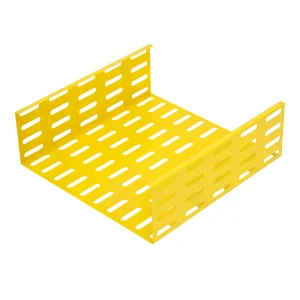
Wholesale Pre Galvanized Perforated Powder Coating Cable Tray Suppliers, Factories
Configure & Quote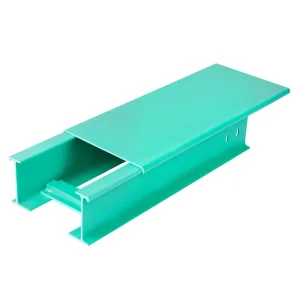
Buy Light Weight FRP Ladder type Cable Tray Manufacturers, Supplier
Configure & Quote
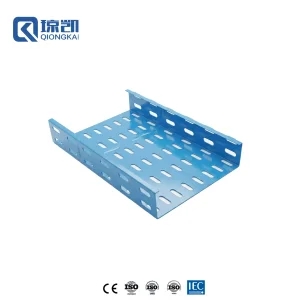
Wholesale Powder Coated Carbon Steel Pre Galvanized PG Cable Tray with Reinforce Ribs - RAL5015 Blue 200*50 Manufacturers, Factories
Configure & Quote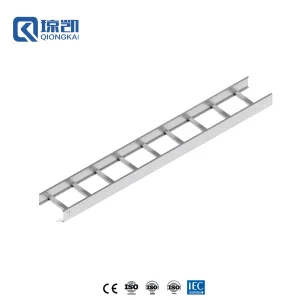
Buy Pre Galvanized Ladder Type Cable Tray 300*100 Factory, Factories
Configure & Quote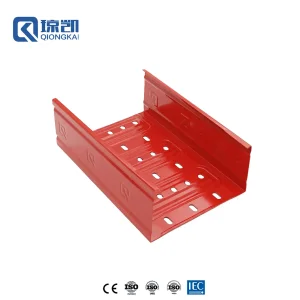
Buy Powder Coated Carbon Steel Cost Saving Heavy Duty Reinforced Molded Pre Galvanized Cable Tray - RAL3020 Red 200*100 Supplier, Factory
Configure & Quote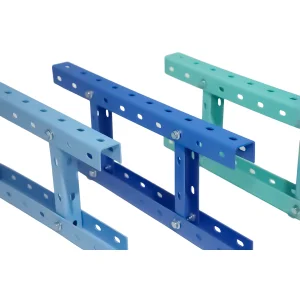
Wholesale Durable Powder Coated Telecom Cable Management Rack Supplier, Factory
Configure & Quote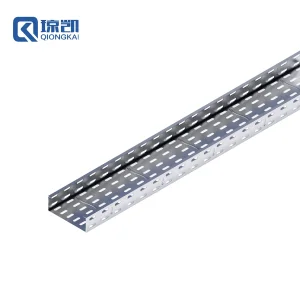
Buy Reinforced Medium duty Pre-galvanized Hot-dip-galvanized Perforated Cable Tray 150*50 Manufacturer, Price
Configure & QuoteFrequently Asked Engineering Questions
In-depth technical answers regarding coating thickness, grounding continuity, chemical selection, and international shipping protocols.
What are the key advantages of powder-coated cable trays over standard hot-dip galvanizing?
While Hot-Dip Galvanizing (HDG) provides exceptional sacrificial galvanic defense, its surface is often rough, visually industrial, and susceptible to zinc whisker formation in clean environments. Factory powder coating provides a perfectly smooth, non-abrasive, pinhole-free dielectric barrier available in any RAL color for critical pathway identification. Furthermore, a duplex system (powder coating applied over a galvanized steel base) completely isolates the zinc substrate from atmospheric acid rain, extending the service life up to 2.5 times longer than HDG alone in coastal C4 and C5 environments.
How is electrical grounding and earth continuity maintained across powder-coated joints?
Under NFPA 70 (NEC Article 392) and IEC 61537, metallic cable trays utilized as equipment grounding conductors must maintain continuous low-resistance bonding (< 0.05 ohms across connections). Because thermoset powder is an electrical insulator, Qiongkai implements three engineered grounding solutions: (1) factory-applied high-temperature masking tape over splice plate contact points prior to coating; (2) specialized serrated internal/external star washers that bite through the cured polymer during bolt torquing to contact bare steel; and (3) pre-punched copper bonding jumpers bridging each section joint.
What dry film thickness (DFT) is typically specified for heavy industrial cable trays?
For standard interior commercial installations and data center server rooms, a dry film thickness (DFT) between 60 µm and 80 µm is standard and provides complete aesthetic coverage and mechanical abrasion defense. For heavy industrial, petrochemical, or outdoor infrastructure, specifications demand a high-build DFT of 80 µm to 120 µm. Every production batch at Qiongkai undergoes non-destructive magnetic induction thickness measurement under ASTM D7091 / ISO 2178 to guarantee consistency across all flat runs and perforated bends.
Why is powder-coated containment preferred in hyperscale data center white space?
Data halls require two mandatory criteria: the total elimination of "zinc whiskers" and clear chromatic cable separation. Zinc whiskers are microscopic conductive metal filaments that grow spontaneously from electro-plated zinc surfaces and break free into cooling airflows, short-circuiting high-density server rack motherboards. Thermoset epoxy-polyester powder coating completely encapsulates the substrate, eliminating whisker growth. Additionally, standardized color coding (e.g., RAL 5015 Blue for data trunks, RAL 3020 Red for fire alarm circuits, and RAL 9005 Black for power) enables swift visual audit and zero-error cable maintenance.
Can Qiongkai manufacture custom profiles, non-standard widths, and seismic braces?
Yes. Operating 12 continuous roll-forming lines and over 60 CNC stamping, hydraulic bending, and laser cutting machines across our 30,000 m² Shanghai facilities, we specialize in tailor-made configurations. We regularly engineer custom tray depths (50 mm to 200 mm), ladder rung spacings, heavy-gauge thicknesses (1.0 mm to 3.0 mm), and specialized seismic bracing assemblies compliant with dynamic lateral load criteria, such as our custom structural profile solution supplied to offshore LNG platforms in Qatar.
How does Qiongkai ensure export packaging prevents coating scratches during ocean transit?
Finished powder-coated cable trays are highly sensitive to surface friction abrasion during multi-week intermodal maritime shipments. Qiongkai applies automated protective polyethylene micro-foam interleaving between every nested tray tier, heavy cardboard corner edge protectors along all flange lips, and moisture-barrier thermal shrink-wrap across the entire bundle. Bundles are secured to heat-treated ISPM-15 export wooden skids with non-metallic heavy composite strapping, guaranteeing pristine arrival at project destination ports.
Ready to Engineer Your Project's Cable Containment Infrastructure?
Submit your Bill of Quantities (BOQ), CAD routing layouts, or technical performance specifications. Our senior engineering team in Shanghai delivers complete structural calculations, finish recommendations, and competitive wholesale pricing within 24 hours.