Buy Stainless Wire Mesh Cable Tray 300mm Manufacturers, Supplier
Product Description
| Brand | Qiongkai |
| Model Tag | GCT- |
| Type | Grid / Wire mesh |
| Product Name | Grid cable tray |
| Material | Steel / Stainless Steel / Galvanized |
| Origin | Shanghai, China |
| Surface Treatment | Galvanized / Hot-dip Galvanized / Cold dip Galvanized |
| Finish | Powder coated / HDG / CDG |
| Color | Blue / Yellow |
| Side Rail Height | 50 - 300 mm |
| Width | 50 - 600 mm |
| Length | 1 - 10 m |
| Thickness | 4 / 5 / 6 mm |
| Certificates | ISO, CE |
| ODM / OEM | Supported (√) |
| MOQ | 50 |
| Selling Units | Meters / Pieces |
| Single Gross Weight | 0.5 kg |
| Max. Working Load | According to Size |
| Loading Port | Shanghai, Tianjin |
| Price Terms | EXW, FOB, CIF, CFR |
| Delivery Time | 25 Days |
| Insurance | Customizable |
| Free Sample | Available (√) |
| After-sales Support | Online Communications |
Product Introduction
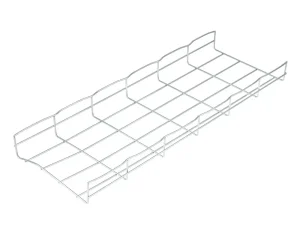
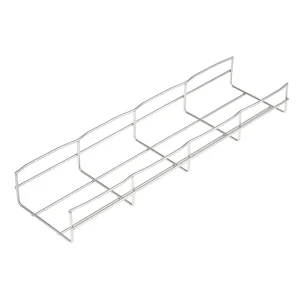
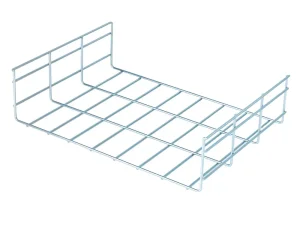
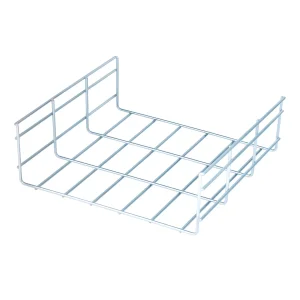
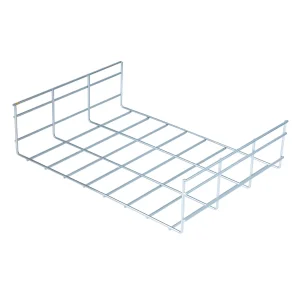
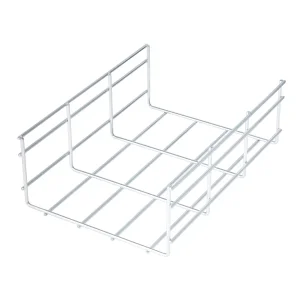
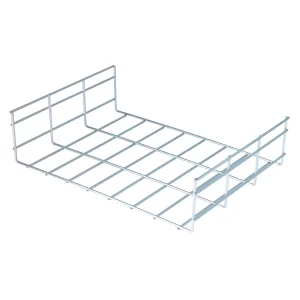
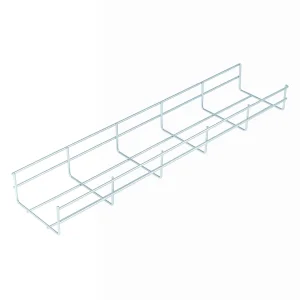
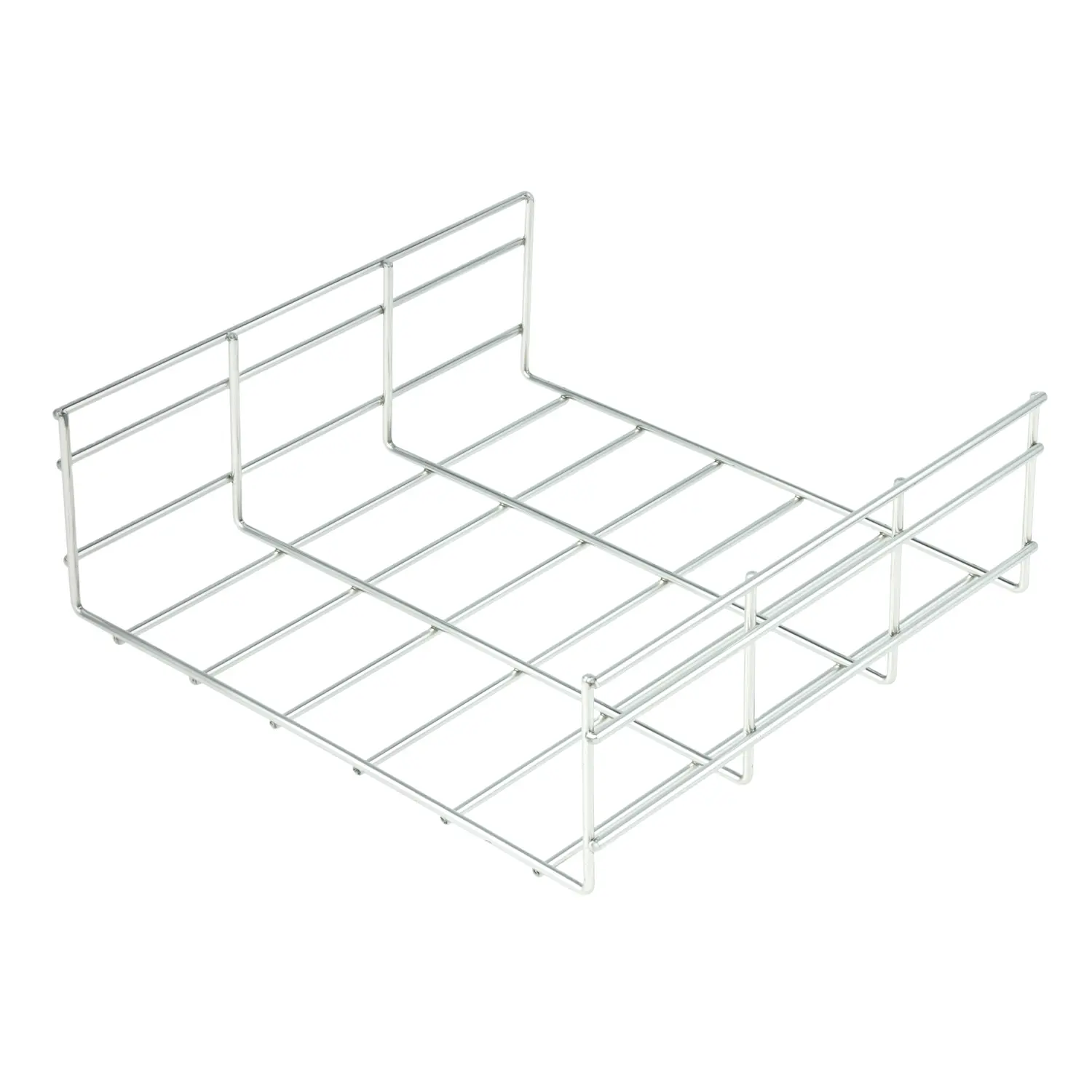
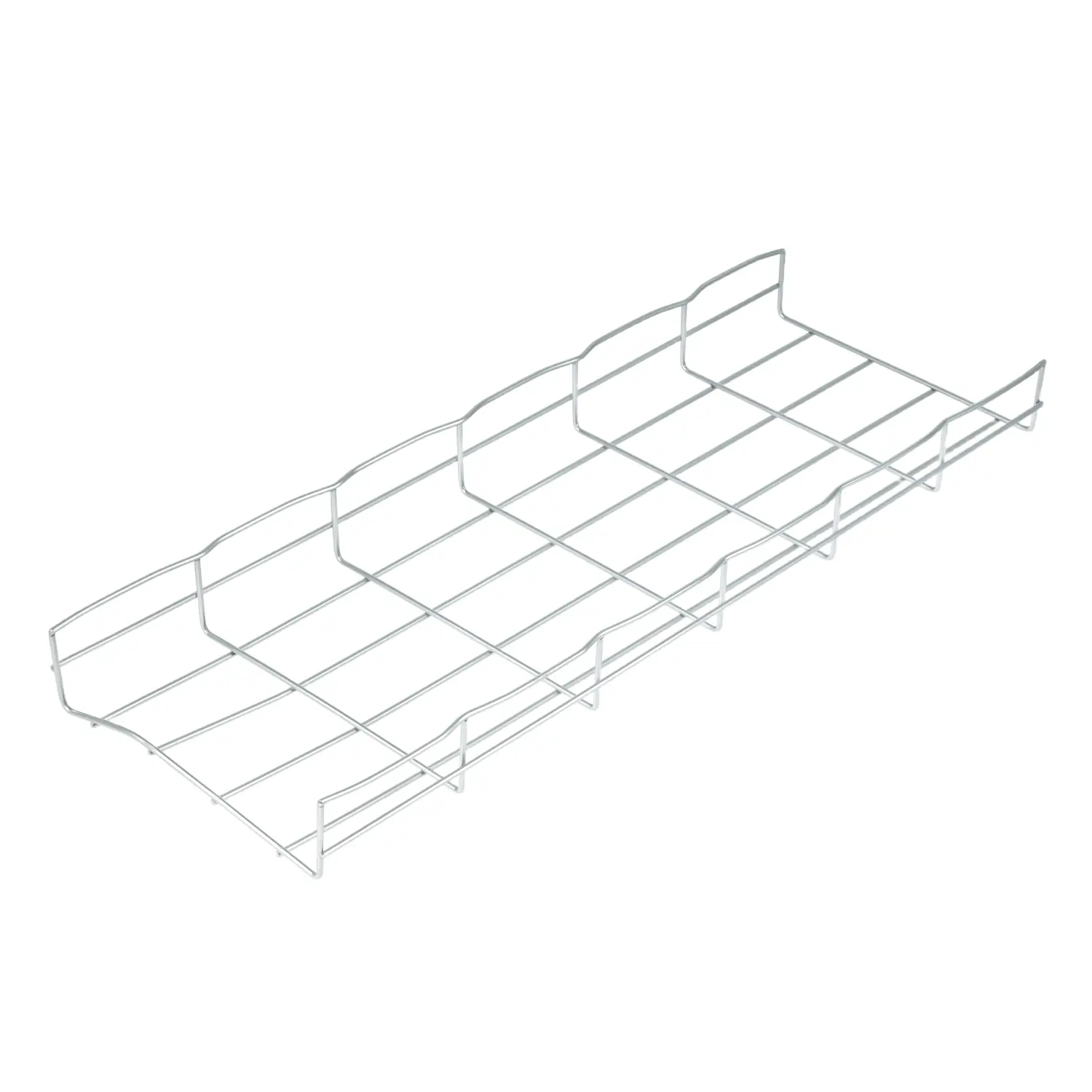
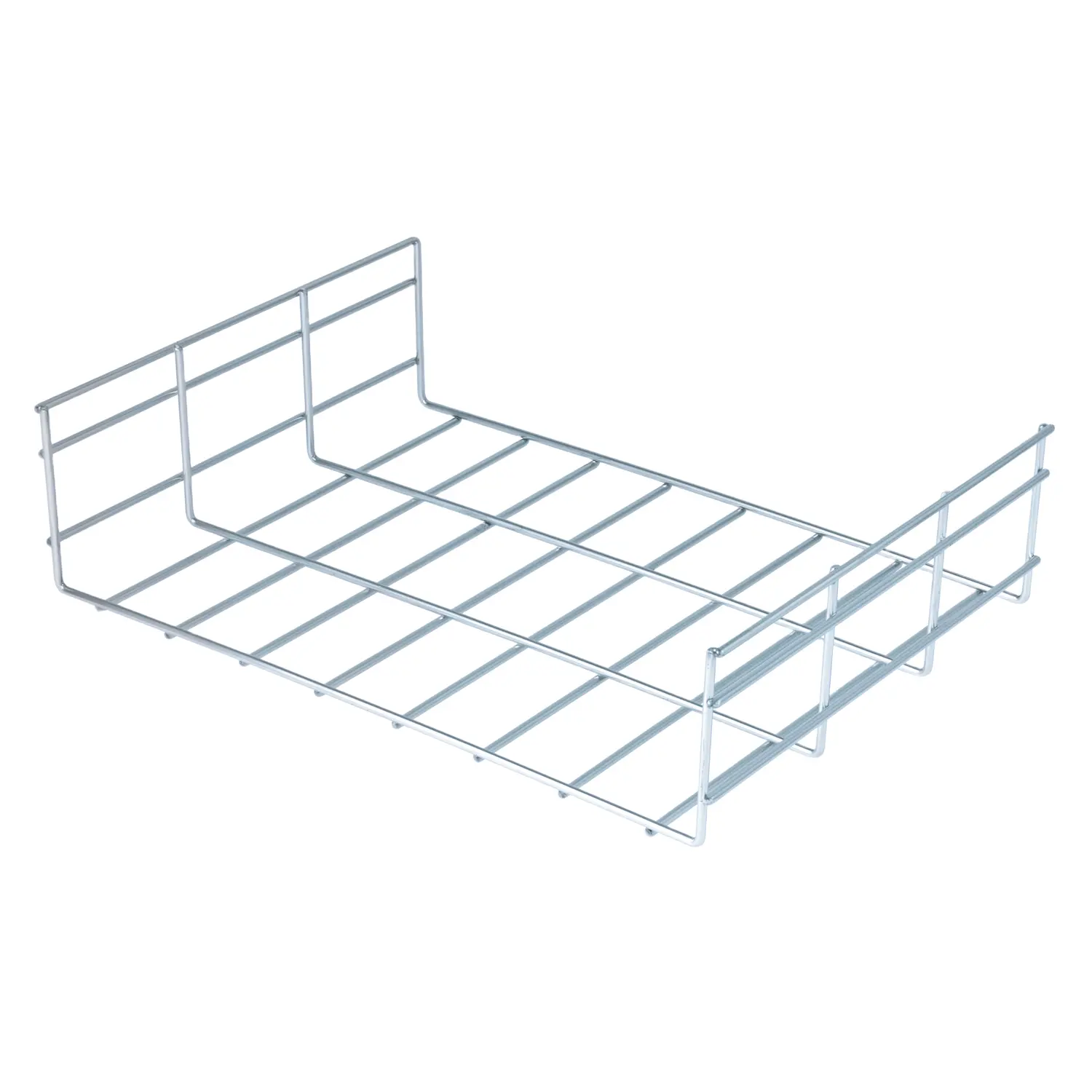
The structure of the stainless-steel grid cable tray is an ingenious design. It is usually precisely made from interlaced stainless-steel wires or strips by welding and weaving. The structure ensures the overall strength and stability of the cable tray, enabling the cable tray to bear cables of different weights and specifications. The open-grid design also significantly improves the ventilation and visual comfort of the cable tray system. Good ventilation helps cables dissipate heat better during operation, reducing the risk of cable failures caused by heat accumulation. High visibility allows construction workers to clearly observe the routing and connection of cables during installation and maintenance, facilitating the timely detection and handling of problems.
Material Characteristics
The high-quality stainless-steel material used in the stainless-steel mesh cable tray contains alloying elements such as chromium and nickel. These elements form a dense oxide film on the surface of the cable tray, effectively preventing contact between external corrosive substances and the metal substrate. In areas with high humidity or industrial environments with chemical erosion, such as acids and alkalis, the cable tray maintains its integrity and functionality for a long time, greatly reducing maintenance and replacement costs.
Stainless steel provides high structural strength and hardness, enabling the mesh cable tray to maintain stability when supporting heavy loads. Even when bearing dense bundles or heavy cables, the tray resists deformation and breakage, delivering dependable support and ensuring continuous, stable electrical system operations.
In addition to anti-corrosive properties, stainless steel features robust resistance to oxidation. Under standard operating conditions, the stainless-steel mesh cable tray is highly resistant to rust, preserving a clean and professional appearance while decreasing maintenance demands caused by surface degradation.
Processing Technology
The processing technology of the stainless-steel mesh cable tray is exquisite, with strict control over every link, from raw material selection to final product finishing. During processing, raw stainless steel is pre-treated through precision cutting and stamping to meet the geometric requirements of the grid. Advanced welding or weaving techniques assemble each section into a robust, integrated grid structure. The welding process ensures strong and tightly sealed connection joints, while weaving imparts flexible structural characteristics. Post-production finishing—including grinding and polishing—produces a smooth surface that refines visual aesthetics and significantly boosts anti-corrosion defense.
Product Advantages
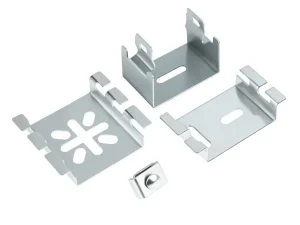
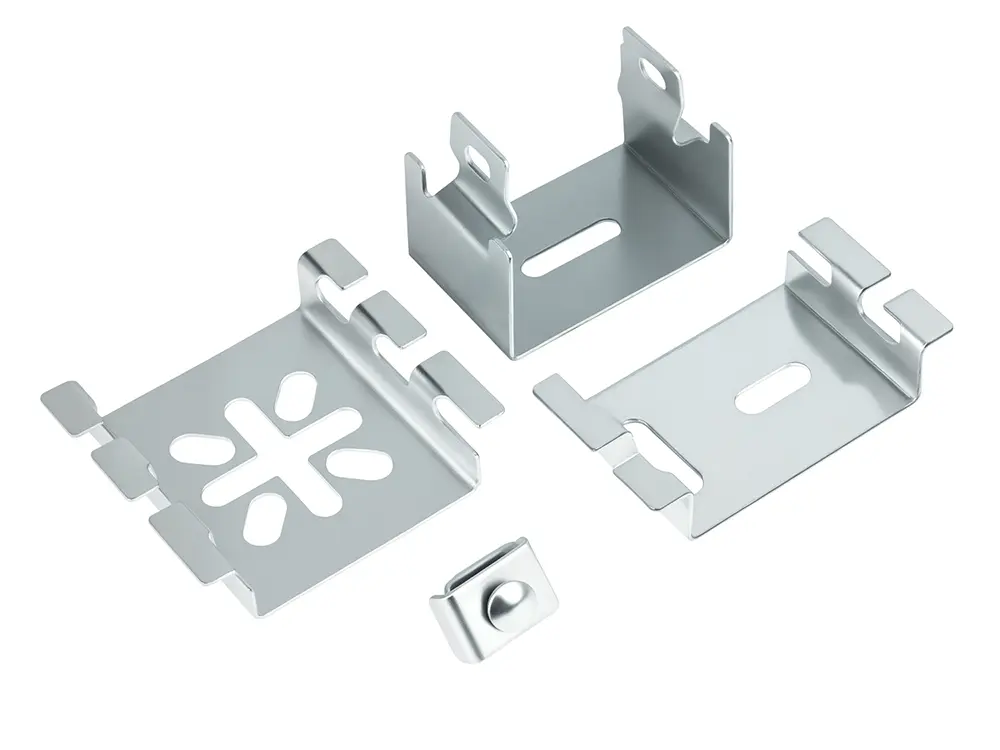
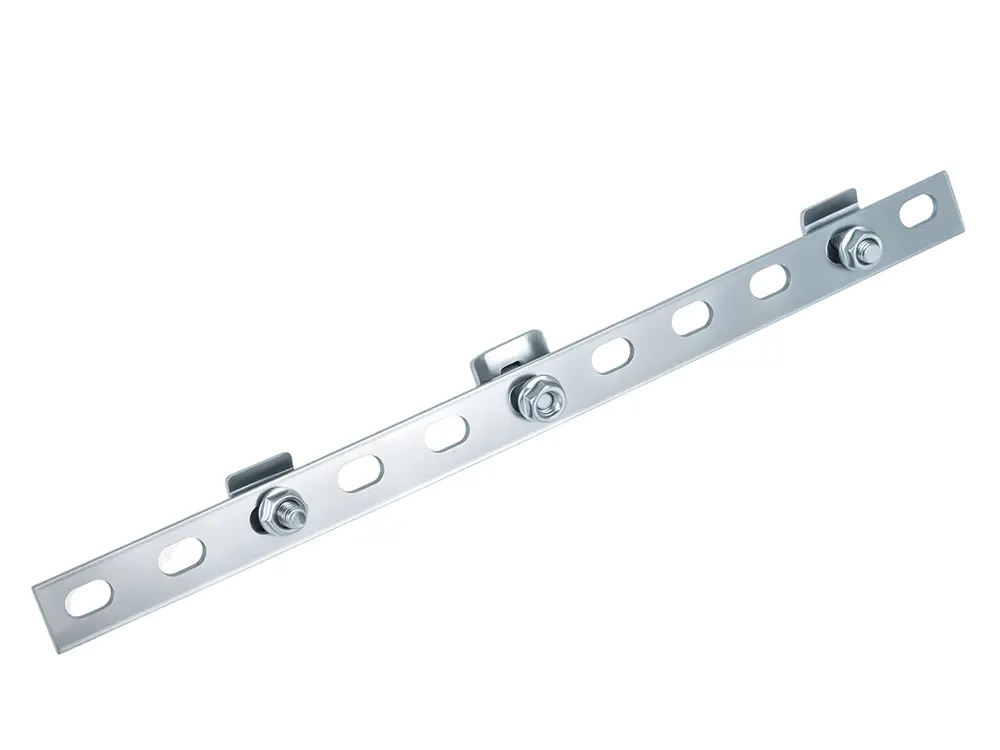
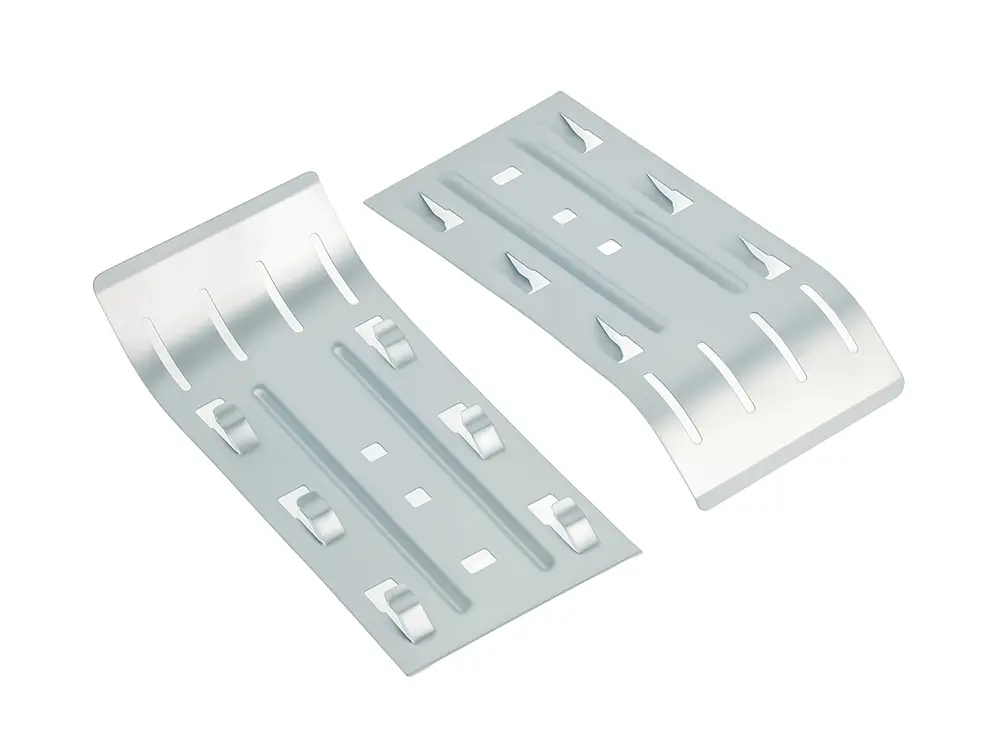
Featuring standardized components with bolt and snap connections, installation is fast and intuitive. Installers can rapidly assemble the pathway without specialized skills or cumbersome tools, cutting setup time significantly compared to traditional closed raceways.
The open configuration facilitates simplified cabling modifications. Adding, dropping, or re-routing runs requires no complex disassembly, and visual transparency allows straightforward routing inspection and maintenance directly through the wire mesh.
Built from premium stainless steel, these trays outlast standard cable support systems by decades under regular service conditions, reducing replacement downtime and delivering long-term financial return.
Stainless steel is fully recyclable, minimizing ecological footprint. Furthermore, unobstructed ambient airflow promotes natural heat dissipation, lowering cable operating temperatures and optimizing energy efficiency.
Application Scenarios
Pharmaceutical facilities demand extreme environmental cleanliness and hygiene. The tray’s smooth, dust-resistant, and easily sanitizable surface adheres to strict cleanroom protocols while chemical resistance ensures reliable signal and power delivery.
Semiconductor environments require rigorous dust control and electrostatic management. The metallic matrix helps shield electromagnetic interference (EMI) and withstands aggressive chemical wipe-downs common in cleanroom cleanings.
Wastewater treatment facilities present intense moisture, sludge, and corrosive gases. The superior corrosion resistance of stainless steel ensures long-lasting, safe routing pathways for critical power and instrumentation equipment.
Specifications and Selection
The stainless-steel mesh cable tray is available in a variety of specifications and models to meet project-specific requirements. Common sizes feature widths from 50 mm to 600 mm, side rail heights from 50 mm to 150 mm, and mesh grid apertures such as 25 mm × 25 mm and 50 mm × 50 mm. When sizing your system, evaluate cable density, outside diameters, structural weight, and the deployment environment. For heavy or clustered installations, select deeper and wider profiles; for high-thermal applications, larger grid sizes maximize ventilation and convective cooling. Material grades should also be specified in alignment with ambient atmospheric and chemical corrosiveness.
Maintenance Guidelines
Although stainless-steel mesh cable trays require minimal maintenance, routine care maintains aesthetic appeal and prolongs operating life. Inspect surfaces regularly for excessive dust buildup and wipe clean with a damp cloth when needed. Avoid collision with sharp tools to protect the protective passivation layer against mechanical gouging. For installations subject to severe marine or acidic industrial exposures, conduct scheduled inspections to verify structural connections and integrity.
Frequently Asked Questions (FAQ)
Trays are manufactured from high-grade steel, stainless steel, or galvanized steel. Surface finishing options include electro-galvanizing, hot-dip galvanizing (HDG), cold dip galvanizing (CDG), and powder coating in colors like blue and yellow.
Open wire mesh trays provide superior natural air ventilation to dissipate heat, drastically minimize cable failure risks, enable fast visual inspections, and allow quick, flexible drop-outs without cutting large panel sections.
Yes, both OEM and ODM requirements are fully supported. Widths (50–600mm), side rail heights (50–300mm), lengths (1–10m), and wire thicknesses (4/5/6mm) can be tailored to meet your project specifications.
The standard minimum order quantity is 50 pieces or meters, and the standard delivery time is approximately 25 days. Free samples are also available upon request.
Due to their cleanable design, EMI shielding, and anti-corrosive characteristics, they are ideally suited for cleanrooms, pharmaceutical workshops, semiconductor processing lines, and sewage treatment plants.
Shipments are primarily routed through Shanghai or Tianjin ports under EXW, FOB, CIF, or CFR price terms, with customizable shipping insurance options available.