
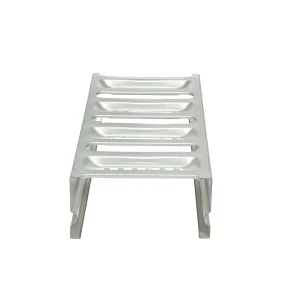
Buy Pre Galvanized 200*100 Heavy Duty/Cost Saving Cable Tray Manufacturer, Supplier
Explore Specification
Precision-manufactured with heavy-duty structural profiles, custom bend radiuses, and surface treatments engineered for multi-decade durability in severe environments.
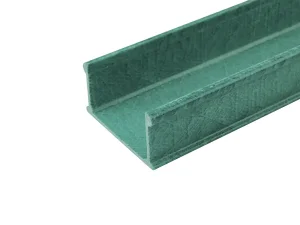
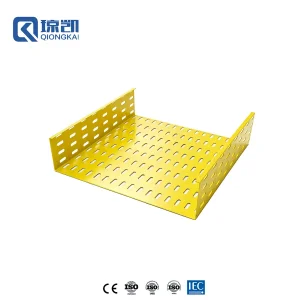
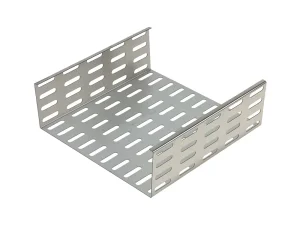
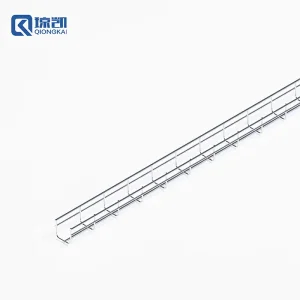
As hyper-scale data centers, utility-scale photovoltaic farms, and automated chemical processing units expand worldwide, cable containment demands have transitioned from standard conduit runs to engineered modular cable ladder networks.
Modern data centers handling dense multi-tier power runs require cable ladder systems capable of supporting up to 300 kg/m with open-rung designs, maximizing free convective airflow to reduce thermal retention and auxiliary cooling power consumption.
In offshore LNG extraction and marine installations, high wind vortex shedding and severe chloride exposure necessitate marine-grade 316L stainless steel or pultruded thermosetting FRP ladders tested against ASTM B117 salt spray protocols for over 3,000 hours.
Utility-scale solar arrays and battery energy storage systems (BESS) require heavy-duty hot-dip galvanized (HDG) ladder systems with deep side-rail geometry (100–150 mm) capable of spanning 6-meter support spacings without excessive mid-span deflection.
Optimizing lifecycle expenditure (LCC) relies on selecting the exact metallurgic matrix and profile modulus for physical ambient stresses, atmospheric corrosivity tiers (C1 to CX), and allowable structural deflection.
| Material / Treatment | Corrosion Category (ISO 12944) | Coating Thickness / Composition | Tensile Strength (MPa) | Ideal Application Scenario |
|---|---|---|---|---|
| Pre-Galvanized Steel (PG) | C1 – C2 (Dry Indoor) | 12–20 µm (Z275 Coating) | 350 – 420 MPa | Commercial ceilings, IT data distribution, indoor control rooms |
| Hot-Dip Galvanized (HDG) | C3 – C4 (Industrial Outdoor) | 65–85 µm (ASTM A123 / ISO 1461) | 400 – 490 MPa | Petrochemical plants, highway tunnels, outdoor sub-stations |
| Stainless Steel 304 / 316L | C5 – CX (Extreme Marine/Corrosive) | Passive Chromium Oxide Layer | 520 – 680 MPa | Offshore oil & gas platforms, coastal desalination, sterile cleanrooms |
| FRP / GRP Pultruded | Immune to chemical/acid attack | Vinyl ester / Isophthalic resin | 280 – 350 MPa | Wastewater treatment, fertilizer plants, pickling bath areas |
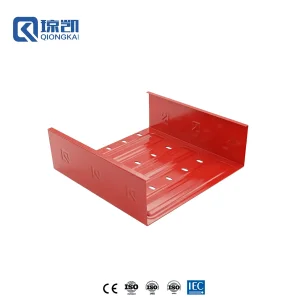
| Architectural Powder-Coated | C2 – C3 (Custom Identification) | 60–90 µm Thermoset Epoxy-Polyester | Dependent on substrate | Data hall redundancy circuits (A/B feeds), railway transit terminals |
How Shanghai Qiongkai Industry bridges high-volume manufacturing economies with uncompromising metallurgical quality control to guarantee lead-time reliability for overseas megaprojects.
By securing direct upstream relationships with tier-1 steel mills (Baosteel, Shougang), Qiongkai secures tight tolerance hot-rolled and pre-galvanized coils without middleman markups, locking competitive pricing across long procurement cycles.
Our 12 continuous roll-forming lines feature automatic cold punching, continuous rung swaging, and automatic MIG/robotic resistance welding, maintaining precise dimensional concentricity while outputting upwards of 15,000 meters weekly.
Located in Shanghai’s Songjiang hub minutes from Yangshan and Waigaoqiao deep-water terminals, Qiongkai implements nestable ladder bundling and engineered export crating to reduce freight space wastage by up to 35%.
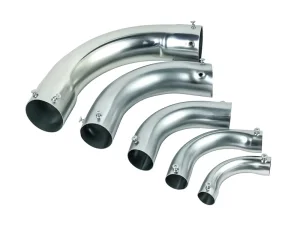
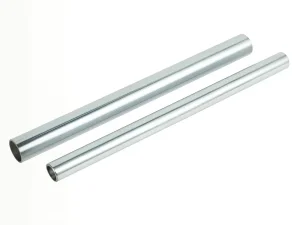
Modular elbows, tees, crosses, strut fittings, and telecom support channels designed for seamless field mechanical interconnection and structural continuity.
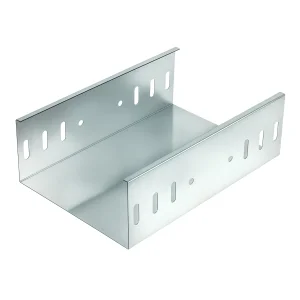
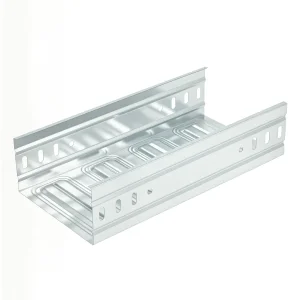
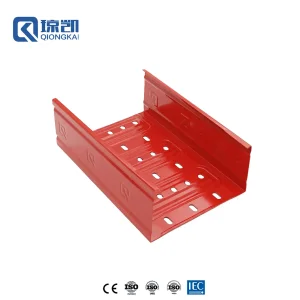
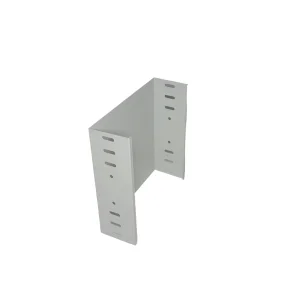
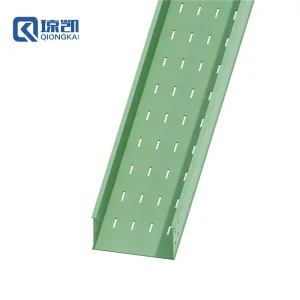
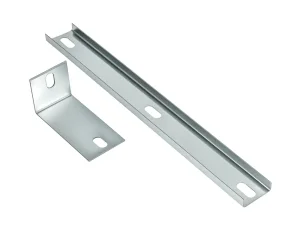
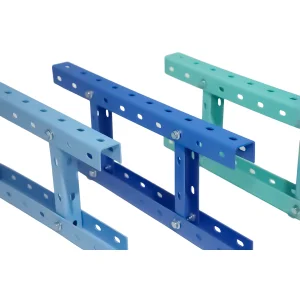
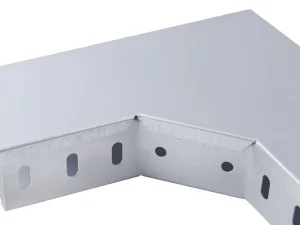
International mechanical and electrical contractors demand compliance beyond visual quality. Qiongkai conducts documented testing covering electrical continuity, ultimate load limits, and seismic resistance.
Every cable ladder run design undergoes Type Testing for Safe Working Load (SWL) and deflection testing over simple and continuous spans. Mill Test Certificates (MTC 3.1) and full traceability are furnished per batch.
Tested in accordance with IEC 61537 Section 11.1, our copper-free bonding jumper links and zinc-plated structural splice connections ensure impedance falls below 0.05 Ω across ladder couplings, ensuring reliable fault clearance.
Our dedicated engineering department supplies parametric 3D Revit models, static deflection calculations, and detailed bill of quantities (BOQ) cross-referencing to streamline client approval during the engineering review stage.
Straight answers addressing engineering specifications, testing metrics, and project integration for procurement executives and mechanical engineers.