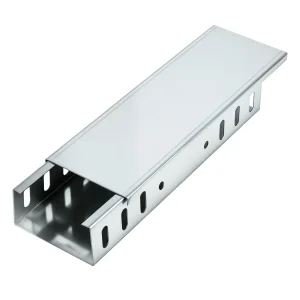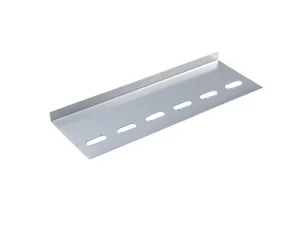
Direct-From-Factory Portfolio
Engineered Galvanized Trunking & Tray Systems (Part I)
Explore high-capacity pre-galvanized fittings, reinforced heavy-duty cable trays, wire mesh baskets, and anti-corrosion containment components designed for demanding load distributions.
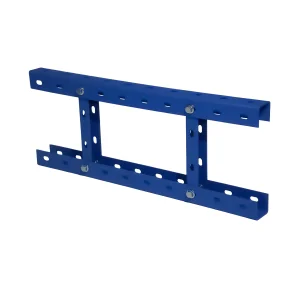
Wholesale Durable Blue Powder Coated Ladder Cable Rack Manufacturer, Suppliers
View Specifications
Wholesale Cost Saving Heavy Duty Reinforced Molded Pre Galvanized Cable Tray 200*100 Supplier, Price
View Specifications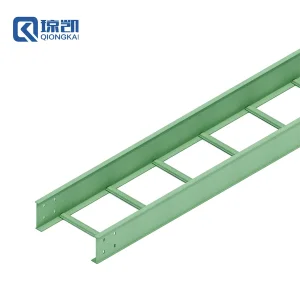
Buy FRP Ladder Type Cable Tray 400*150 Supplier, Factory
View Specifications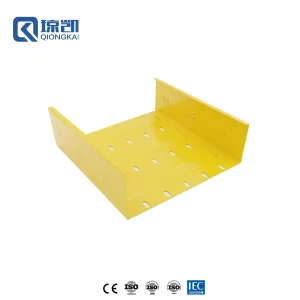
Buy Powder Coated Carbon Steel Cost Saving Heavy Duty Reinforced Molded Pre Galvanized Cable Tray RAL1080 Yellow 300*100
View Specifications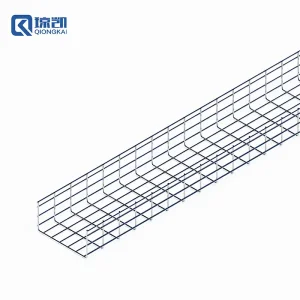
Buy GI Galvanized Wire Mesh Tray 300*150 Factory, Factories
View Specifications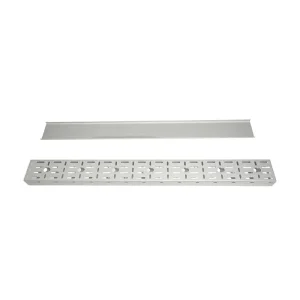
Buy SS Stainless Steel 316*316L Cable Trays Maxiumn Perforated Cable Trays Manufacturer, Supplier
View Specifications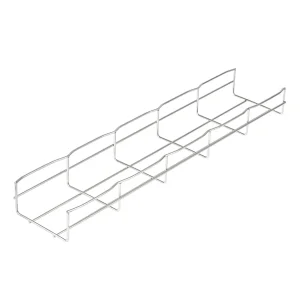
Buy Stainless grid cable tray 100mm Manufacturer, Factories
View Specifications
Technical Whitepaper Depth
Galvanized Cable Trunking: Metallurgical Foundations & Structural Architecture
A comprehensive engineering evaluation of metallic cable management trunking systems, sacrificial zinc coatings, electromagnetic compatibility (EMC), and continuous roll-forming tolerances.
20+
Years Engineering (Est. 2005)
30,000m²
Modern Manufacturing Footprint
12 Lines
Continuous CNC Roll-Forming
85+ μm
Batch HDG Zinc Thickness
In modern industrial electrification, commercial building construction, and high-density computing infrastructure, galvanized cable trunking serves as the fundamental physical backbone protecting power feeds, control wiring, and mission-critical communications networks. Unlike open-ladder racks or perforated wire baskets, an enclosed metallic trunking channel provides full 360-degree mechanical containment, shielding high-voltage cabling from environmental contaminants, physical impacts, UV exposure, and ingress of airborne moisture and particulate matter.
When engineering procurement teams, MEP consultants, and EPC contractors set out to buy galvanized trunking directly from a verified Chinese factory supplier, selection criteria must extend beyond baseline dimensional pricing. The total cost of ownership (TCO) is intrinsically governed by the metallurgical bond of the zinc layer, sheet carbon steel structural chemistry (Grade Q235B / SPCC / DX51D), return flange stiffness, and thermal-expansion tolerance across extended spans.
Pre-Galvanized (GI / PG) vs. Batch Hot-Dip Galvanized (HDG): Chemical & Microstructural Distinctions
The core distinction in selecting a galvanized trunking supplier lies in understanding the application environment according to ISO 12944 atmospheric corrosivity categories (C1 through C5-M):
1. Pre-Galvanized (Mill Galvanized / GI / PG - BS EN 10346): Fabricated from structural steel coils continuously passed through a molten zinc bath at the steel mill prior to stamping and roll-forming. Standard commercial offerings feature a Z180 to Z275 coating weight (equivalent to 14–20 microns per face). Pre-galvanized trunking delivers pristine surface smoothness, exceptional dimensional repeatability, and sharp decorative aesthetics suitable for indoor, climate-controlled commercial installations, false ceilings, and dry plenum chambers (Corrosivity Classes C1–C2).
2. Post-Fabrication Hot-Dip Galvanized (HDG - BS EN ISO 1461 / ASTM A123): The trunking profile is fully laser-cut, punched, bent, and assembled from hot-rolled or cold-rolled carbon steel, then completely immersed into a molten zinc bath held at approximately 450°C (842°F). This thermal immersion induces a multi-layered metallurgical reaction forming iron-zinc alloy layers: the brittle Gamma ($\Gamma$) layer (75% Zn, 25% Fe), the columnar Delta ($\delta$) phase (90% Zn, 10% Fe), the Zeta ($\zeta$) layer (94% Zn, 6% Fe), and an outer pure Eta ($\eta$) zinc layer (100% Zn). Providing total coating thicknesses exceeding 65 to 85+ microns, HDG trunking exhibits true sacrificial cathodic self-healing protection, impervious to harsh coastal salt spray, petrochemical refinery atmospheres, wastewater plants, and tropical environments (Corrosivity Classes C3–C5).
EMI / RFI Shielding Attenuation
Enclosed steel trunking provides natural electromagnetic attenuation ranging from 45 dB to over 75 dB across 10 kHz to 1 GHz, isolating high-voltage buslines from delicate data and sensor wiring without separate conduit sleeves.
Continuous Return-Flange Rigidity
Our automated profiling lines execute precision inward return-flange folding. This structural rib increases the section modulus ($Z$), resisting longitudinal sagging and allowing support bracket spans of up to 3.0 meters at full cable weight fill.
Integrated Earth Continuity (BS 4678)
Factory-engineered copper bonding links and serrated grounding nuts pierce the passivation layer to guarantee low electrical resistance across joint couplers (<0.05 ohms), meeting international fire safety grounding norms.
Engineering Specifications
Galvanized Trunking Engineering Parameters & Standards Matrix
Comparative design standards, structural dimensions, load deflection indices, and steel substrate certifications referenced across international contracts.
| Performance Dimension | Pre-Galvanized (PG / GI) Trunking | Hot-Dip Galvanized (HDG) Trunking | Powder-Coated Over Pre-Galv |
|---|---|---|---|
| Governing Standard | BS EN 50085-1 / BS 4678 Part 1 Class 1/2 | BS EN ISO 1461 / ASTM A123 / BS 4678 Class 3 | BS EN 50085 / ISO 12944 (C3/C4 Duplex) |
| Substrate Chemistry | Cold-rolled commercial steel DX51D+Z / Q195-Q235 | Structural low-silicon steel Q235B / S275JR | Continuous galvanized carbon steel sheet |
| Zinc Coating Thickness | 12 – 20 μm (Z140 to Z275 g/m² dual face) | 65 – 100+ μm (450 – 700 g/m² mass) | 15 μm Zn + 60–80 μm Epoxy/Polyester |
| Atmospheric Durability | 10–15 years in controlled indoor spaces | 35–50+ years in aggressive outdoor/marine areas | 20–30 years, UV & architectural color-coded |
| Standard Profile Sizes | 50×50, 75×75, 100×50, 100×100, 150×100 mm | 100×100, 150×150, 200×100, 300×150, 400×150 mm | Tailored sizes: 50×50 up to 600×200 mm |
| Gauging Thickness | 0.8 mm, 1.0 mm, 1.2 mm, 1.5 mm, 2.0 mm | 1.5 mm, 2.0 mm, 2.5 mm, 3.0 mm (Heavy Duty) | 1.2 mm to 2.5 mm base steel |
| Cover Retention Style | Screw-fixed, snap-on lid, or turn-buckle quick lock | Heavy-duty bolt-on lid with external bridge clamps | Tamper-resistant architectural screw-down |
| Salt Spray Resistance | 72 – 120 Hours (ASTM B117) to red rust | 1,000 – 1,500+ Hours (ASTM B117) without substrate loss | 500 – 1,000 Hours depending on resin system |
Load Bearing & Deflection Mechanics: According to BS EN 50085 and NEMA VE-1 criteria, structural cable trunking spans are calculated with a strict deflection ceiling of $\text{Deflection} \le L / 200$ (where $L$ is the span distance between support brackets). For example, over a 2.0-meter span, allowable vertical deflection under full working load must not exceed 10.0 mm. Shanghai Qiongkai’s continuous computer-controlled profiling rolls incorporate continuous longitudinal stiffening indents along the side walls and bottom base, reducing deflection by up to 28% without increasing dead weight.
Engineered Deployment
Localized Application Scenarios & Field Realities
Field-proven performance across extreme climactic conditions, hyperscale data halls, international aviation terminals, and corrosive chemical processing plants.
Hyperscale Data Centers & Telecommunication Hubs
In high-density server halls, pre-galvanized and RAL powder-coated trunking isolates server busway feeds from fiber pathways. The sealed enclosure eliminates the risk of zinc whisker detachment near microchips while maintaining Class A fire containment.
Offshore Oil & Gas and Marine LNG Terminals
Installed across Arabian Gulf gas platforms (Qatar LNG) and Southeast Asian marine terminals. Heavy batch hot-dip galvanized trunking with high-nickel zinc baths ensures imperviousness to dense salt aerosol and direct solar UV baking.
Aviation Megaprojects & Rail Transit Networks
Proven in landmark developments such as Shanghai Hongqiao International Airport. Heavy-gauge corrosion-resistant CT series trunking carries primary emergency distribution lines, surviving high continuous vibration without joint fatigue.
Heavy Chemical & High-Ammonia Agro-Facilities
Field-tested in major agro-industrial sites in Paraguay. High-sulfur, high-ammonia environments degrade standard zinc within months; duplex systems featuring hot-dip galvanizing plus chemical-resistant powder topcoats ensure lasting operational uptime.
Global Market Perspective
Global Commercial Landscape: Tariff Economics, TCO & Supply Security
Strategic purchasing insights for international electrical distributors, EPCs, and mechanical contractors navigating global volatile steel prices.
The global metallic cable containment sector is experiencing structural reconfiguration driven by renewable infrastructure growth, gigawatt-scale data center rollouts, and urban transit expansion. However, international procurement directors face substantial margin headwinds:
1. Western Domestic Supply Constraints: In Europe and North America, domestic cable containment manufacturers face escalating energy overhead, zinc surcharges, and extended delivery cycles averaging 14 to 22 weeks. Small regional roll-formers lack the capital reserves for massive coil inventory, leaving contractor schedules vulnerable to local mill backorders.
2. Direct Factory Sourcing Economics: Sourcing directly from an established Tier-1 Chinese manufacturing enterprise like Shanghai Qiongkai Industry provides a structural 25% to 40% landed cost advantage, even after calculating oceanic container freight, customs clearance, and local drayage. By procuring standard 3-meter or 2.4-meter lengths in containerized 20GP/40HQ volumes with pre-nested accessories, contractors eliminate redundant intermediary distributor markups while securing guaranteed delivery timelines.
3. Compliance with Cross-Border Regulations: Modern project procurement necessitates strict alignment with environmental and carbon disclosure metrics. Qiongkai tracks upstream steel coil raw material certifications, mill carbon emissions, and ensures our hot-dip galvanizing and electro-plating baths are 100% compliant with RoHS, REACH, and emerging EU CBAM (Carbon Border Adjustment Mechanism) environmental benchmarks.
Integrated Manufacturing
Chinese Factory Supply Chain Resilience & Shanghai Port Strategic Advantage
Three modernized production facilities, 60+ heavy stamping machines, continuous coil slitting, and direct deepwater maritime dispatch.
Vertical Upstream Integration
We source prime hot/cold steel coils directly from premier domestic mills (Baosteel, Shougang). In-house high-speed slitting lines cut wide master coils to precise strip widths, avoiding sub-tier procurement delays.
Flexible Tooling & Custom Stamping
Equipped with 60+ heavy-duty mechanical punch presses and automated progressive dies. We deliver customized knockouts (M20/M25/M32), bespoke slot pitches, raised bottom ribs, and multi-compartment dividers on short setup cycles.
Port Logistics Optimization (Shanghai)
Headquartered in Songjiang Port Science & Technology City, Shanghai. Our workshops are located within 60 km of Waigaoqiao and Yangshan deepwater port complexes, drastically reducing transit times and container drayage costs.
Next-Gen Engineering
Technical Roadmap & Next-Generation Containment Trends
The evolutionary trajectory of metallic containment: advanced alloy coatings, smart monitoring, and rapid toolless assembly.
Metallurgy 2.0
Zinc-Aluminum-Magnesium (ZAM) Alloys
Incorporating 3% Al and 2% Mg into the zinc bath, forming an ultra-dense simonkolleite barrier that offers 4–5x the corrosion resistance of standard HDG, featuring true self-healing properties on sheared edges.
Smart Infrastructure
IoT Integrated Trunking Enclosures
Developing trunking sections equipped with internal fiber-optic distributed temperature sensing (DTS) and RFID asset tags, tracking real-time heat buildup across ultra-high-voltage power cable routes.
Field Efficiency
Toolless Click-Lock Jointing
Engineering tool-free quick-locking trunking splice connectors and snap-fit covers, reducing mechanical on-site assembly time by up to 45% compared to traditional screw-fastened splice plates.
Sustainability
Decarbonized EPD Steel Substrates
Transitioning toward low-carbon electric arc furnace (EAF) steel and zero-effluent hot-dip galvanizing lines, backed by verified Environmental Product Declarations (EPD) to support LEED/BREEAM gold certifications.
Quality Engineering
Rigorous Quality Control & Global Compliance Guarantees
Comprehensive third-party inspection, metallurgical mill certificates, and project-specific BIM/CAD design integration.
Certified Testing Protocols
Every production batch undergoes electromagnetic coating thickness testing (ISO 2178), cross-cut adhesion verification (ISO 2409), bend tests, and neutral salt spray testing (ASTM B117) with complete 3.1 Mill Test Certificates (MTC).
BIM & CAD Modeling Support
Our in-house technical engineering department provides MEP contractors with Autodesk Revit BIM families (LOD 300/350), 3D isometric layout schematics, and accurate Bill of Quantities (BOQ) take-off calculations to prevent on-site discrepancies.
Export-Grade Heavy Packaging
Trunking lengths are packed with protective poly-film interleaving, reinforced edge guards, galvanized strapping, and fumigated timber pallets, engineered to survive intermodal shipping, handling, and long-term dockside storage.
Frequently Answered Questions
Engineering & Procurement FAQ
Clear, definitive technical answers to assist project directors, estimators, and MEP consultants before issuing RFQs.
How does continuous Pre-Galvanized (GI) trunking compare to post-fabrication Hot-Dip Galvanizing (HDG) in cost and longevity?
Pre-galvanized trunking (BS EN 10346) is fabricated directly from steel strip pre-coated with 14–20 microns of zinc. It provides lower unit cost, precision dimensional tolerances, and is optimized for indoor, non-condensing environments (C1–C2). Post-fabrication HDG (BS EN ISO 1461) involves dipping the welded, formed profile into 450°C molten zinc, producing 65–85+ microns of metallurgical alloyed zinc. While HDG costs approximately 25–40% more due to labor, freight, and zinc volume, it provides 40+ years of operational durability in severe exterior, marine, or industrial environments (C3–C5).
What is the standard trunking length, and can your factory produce custom 2.44m, 3.0m, or 6.0m profiles?
Our standard automated profiling length is 3.0 meters (typical for metric European and Middle Eastern specifications) and 2.44 meters (8 feet, typical for North American projects). Because our Shanghai factories utilize computerized CNC continuous roll-forming lines, we can cut custom lengths up to 6.0 meters to minimize joint splices across long corridors, provided container logistics allow clean transport.
How does enclosed metallic trunking maintain earthing continuity across spliced sections according to BS 4678?
BS 4678 Part 1 mandates that electrical impedance across any trunking joint must not exceed 0.05 ohms. We achieve this by providing pre-punched grounding holes, copper braided bonding jumpers, and serrated flange nuts that bite through the galvanized passivation layer, ensuring direct electrical continuity to protect field technicians during phase-to-ground fault events.
Can you provide multi-compartment trunking to separate power and data within the same channel?
Yes. We engineer two-compartment (twin) and three-compartment (triple) galvanized trunking profiles with integrated or spot-welded steel dividers. This physical metal barrier maintains galvanic separation and delivers continuous electromagnetic shielding, enabling power circuits (415V/240V) to run alongside Cat6A, optical fiber, and fire alarm systems without signal degradation.
What is the factory lead time for container-load orders destined for Europe, the Middle East, or Southeast Asia?
For standard pre-galvanized profiles (e.g., 50×50, 100×50, 100×100, 150×100 mm), our typical manufacturing cycle for a full 40HQ container (approx. 20–25 tons) is 12 to 18 business days. For batch hot-dip galvanized trunking requiring post-forming acid pickling and immersion, lead times range between 18 and 25 business days. With our proximity to Shanghai Port, container dispatch to ocean vessels takes under 48 hours.
Are mill certificates, SGS third-party testing, and custom labeling supported?
Every shipment is accompanied by EN 10204 Type 3.1 Mill Test Certificates verifying base carbon steel chemical composition and tensile elongation. We regularly facilitate independent inspections via SGS, BV, or TÜV for dimensional verification, salt spray audits, and coating thickness reports. Customized product barcodes, ink-jet project numbering, and OEM branding are fully supported.
Complete System Catalog
Galvanized Cable Trunking, FRP Troughs & Ladders (Part II)
Heavy-duty perforated containment, fireproof powder-coated channels, FRP non-metallic troughs, and classic pre-galvanized trunking profiles engineered for turnkey project installation.
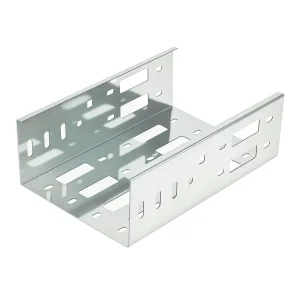
Wholesale Custom Size Pre Galvanized Perforated Cable Tray Factory, Price
View Specifications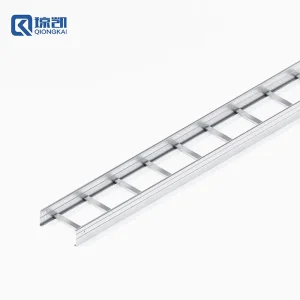
Buy Heavy Duty Pre Galvanized or Hot Dip Galvanized Cable Ladder 400*150 Manufacturers, Supplier
View Specifications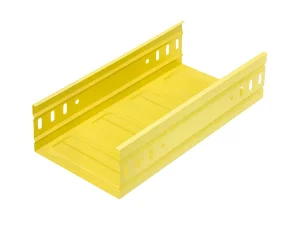
Wholesale Fireproof Yellow Pre Galvanized Powder Coated Molded Cable Tray Manufacturer, Suppliers
View Specifications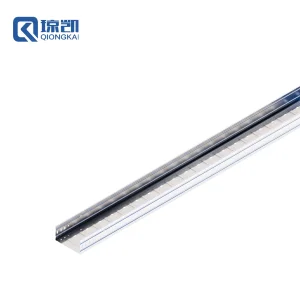
Wholesale Cost Saving Heavy Duty Reinforced Molded Pre Galvanized Cable Tray 200*100 Factory, Price
View Specifications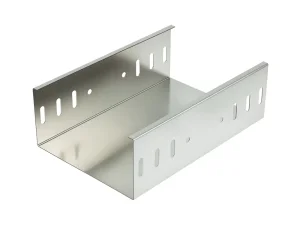
Buy Stainless Cable Tray With Perforation Supplier, Factories
View Specifications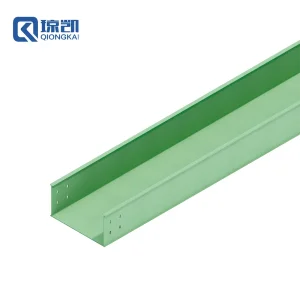
Buy FRP Cable Trunking Trough Type Channel 200*100 Manufacturer, Manufacturers
View Specifications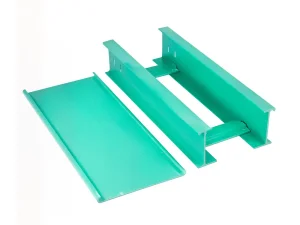
Buy FRP Ladder Type Cable Tray Supplier, Factory
View Specifications