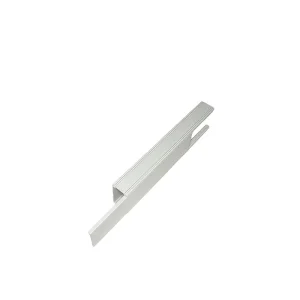
Factory Inventory Showcase
Precision Engineered Cable Management Solutions
Engineered to withstand harsh industrial environments, high seismic demands, and severe corrosive chemical atmospheres across global infrastructure topologies.
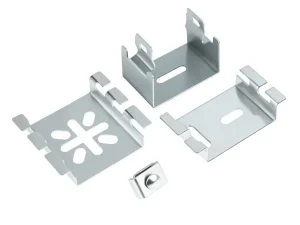
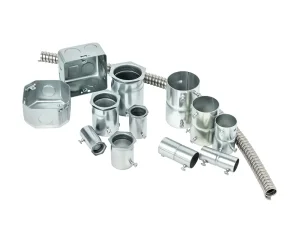
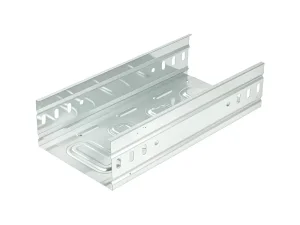
Architectural Taxonomy
How Many Types of Cable Trays Exist in Heavy Industry?
A rigorous taxonomy based on NEMA VE 1, IEC 61537, and global EPC structural engineering design manuals.
1. Cable Ladder Systems
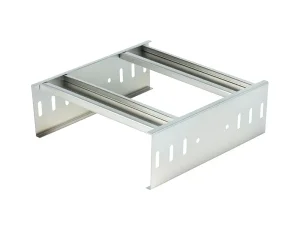
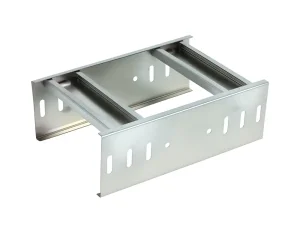
Characterized by longitudinal side rails connected by individual transverse rungs. Rung spacings typically vary from 150mm to 300mm. Offers maximum free-air ventilation (essential for heavy power conductors with high current ampacity requirements), exceptional deflection performance over 3m to 6m spans, and zero retention of hazardous moisture or combustible vapors.
2. Perforated Cable Trays
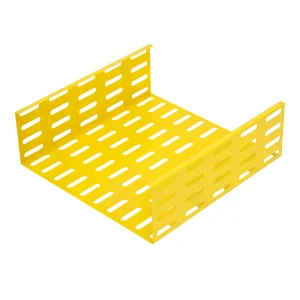
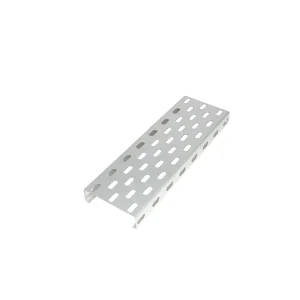
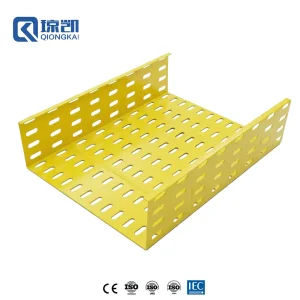
Configured with a continuous ventilated sheet metal base featuring uniform punch patterns (minimum 21% free ventilation). Designed to accommodate mixed low-voltage distribution, automation lines, and process telemetry cables. Provides moderate physical shielding from localized debris while preventing moisture stagnation via gravity drainage slots.
3. Solid-Bottom (Cable Trunking)
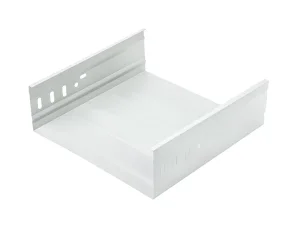
Engineered without ventilation slots to provide total enclosure when combined with flanged interlocking covers. Used for electromagnetic shielding (RFI/EMI isolation), sensitive instrumentation runs, high-temperature fire breaks, or severe dust contamination zones where physical airborne debris and hazardous gas accumulation must be completely blocked.
4. Wire Mesh (Basket) Trays
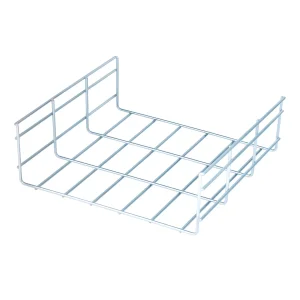
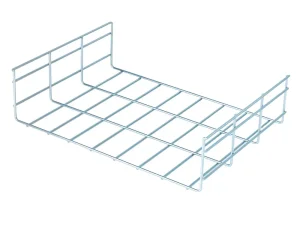
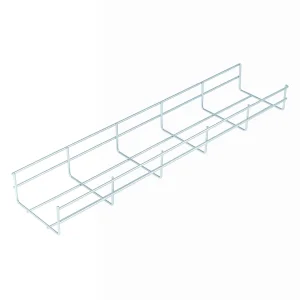
Fabricated from spot-welded high-tensile steel wire grids with a standard mesh pitch of 50×100mm. Engineered predominantly for high-density telecommunication halls, fiber routing, and clean hyperscale data centers. Features supreme field malleability, enabling rapid routing around HVAC or structural columns without prefabricated offset fittings.
5. Channel & Profiled Modular Trays
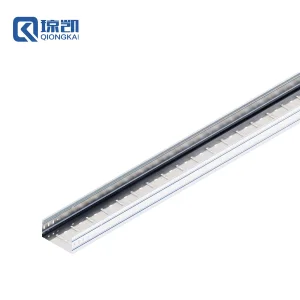
Compact, narrow-form U-shaped metal profiles (ranging from 50mm to 150mm widths) developed for localized equipment drops, branch instrument distribution, and mechanical raceways where standard wide containment trays cannot fit. Frequently utilized in OEM automation cabinets, subsea skid modules, and confined infrastructure riser shafts.
6. Structural FRP / Non-Metallic Trays
Pultruded fiberglass reinforced plastic composite structures featuring halogen-free fire-retardant vinyl ester or polyester resins. Completely impervious to electrochemical galvanic oxidation, chloride attack, and acid vapor etching. The standard non-conductive, spark-free choice for offshore petrochemical rigs, desalination facilities, and battery manufacturing rooms.
Macro Industry Solutions
Global Enterprise Procurement Dynamics & Structural Demand
In modern mega-projects, electrical containment systems are no longer treated as simple passive hardware. As industrial mega-complexes scale to multi-gigawatt installations—ranging from renewable energy microgrids to AI-driven high-density hyperscale data centers—the physical cable tray acts as the structural foundation for facility reliability, fire safety, and thermal longevity.
International engineering, procurement, and construction (EPC) conglomerates prioritize direct-factory procurement to eliminate intermediaries, mitigate delivery slippage, and maintain full metallurgical traceability. Whether engineering seismic braces for international airport hubs, or designing chemical-resistant containment for extreme-temperature LNG processing plants, partnering with a direct manufacturer who controls roll-forming, stamping, hot-dip galvanizing, and electrostatic powder coating is mandatory.
Shanghai Qiongkai Industry Co., Ltd. operates across a 30,000 m² manufacturing hub in Songjiang, Shanghai. By integrating design modeling with automated manufacturing, we eliminate field modification errors, minimize on-site installation labor, and deliver certified NEMA/IEC compliance backed by factory acceptance test (FAT) documentation.
Key Verified Milestones
- Shanghai Hongqiao Int'l Airport: Supplied complete anti-corrosion CT series trunking systems for high-traffic subterranean tunnels.
- Qatar Offshore LNG Complex: Engineered custom marine-grade heavy-duty containment profiles capable of withstanding severe hyper-saline humidity.
- Thailand Industrial Facility: Deployed high-load composite FRP-lined steel hybrid cable trays under extreme continuous tropical humidity.
- Paraguay Agro-Industrial Mega Farm: Furnished cost-optimized heavy-duty pre-galvanized routing systems under strict budgetary parameters.
- Italy Infrastructure Deliveries: Bulk recurring export of EN ISO 1461 compliant HDG perforated and ladder cable trays.
Material Science Matrix
Comprehensive Metallurgical & Environmental Specification Matrix
Cross-referencing protective surface treatments against atmospheric corrosivity categories according to ISO 12944.
| Material / Treatment Variant | Corrosivity Category (ISO 12944) | Tensile / Structural Integrity | Thermal & Ampacity Rating | Target Industrial Application |
|---|---|---|---|---|
| Pre-Galvanized (PG) Carbon Steel | C1 - C2 Indoor Dry | Yield strength ≥ 235 MPa; rigid structural stability | Standard thermal performance (-20°C to +120°C) | Commercial buildings, HVAC ceiling voids, dry IT risers |
| Electro-Galvanized (EG) Wire Mesh | C1 - C2 Indoor Clean | High wire tensile strength (≥ 500 N/mm²) | Maximum continuous passive convection | Hyperscale data centers, server rooms, structured cabling |
| Hot-Dip Galvanized (HDG / GI) | C3 - C4 Severe Industrial | Exceptional metallurgical bond, self-healing zinc patina | Broad tolerance; excellent solar UV dissipation | Power plants, outdoor substations, petrochemical infrastructure |
| Austenitic Stainless Steel (304 / 316L) | C5 - CX Extreme Marine | Superior mechanical ductility; high shock tolerance | High fire-resistance rating (melting point > 1400°C) | Marine vessels, offshore drilling platforms, food processing |
| Pultruded FRP Composite | CX Chemically Corrosive | High strength-to-weight ratio; impact resilient | Dielectric insulator, non-magnetic, flame retardant | Fertilizer facilities, acid pickling lines, coastal desalination |
| Electrostatic Powder Coated | C2 - C3 Identification | Resistant to mechanical chipping and surface abrasion | Insulative coating layer; color identification | Critical infrastructure phase separation, RAL color coding |
Future Roadmap
Engineering Roadmap: Digitalization & Modular Advancements
Anticipating the structural, computational, and environmental shifts in global cable management infrastructure.
BIM & Digital Twin Ready
Full integration of parametric 3D BIM (Building Information Modeling) Revit and STEP files across all standard and non-standard tray assemblies, preventing costly on-site spatial collisions during complex MEP clash detection.
Boltless Rapid-Lock Systems
Transitioning from labor-intensive nuts, bolts, and splice plates to tool-less snap-fit connector profiles. Accelerates field assembly cycles by up to 60%, drastically slashing total cost of ownership (TCO) for large contractor teams.
Seismic Resilient Bracing
Engineered integration with modular 41x41 and 41x82 back-to-back strut systems. Tested and rated according to international seismic code standards to ensure structural containment survival during catastrophic dynamic events.
Eco-Metallurgy & Low Carbon
Implementation of closed-loop electric arc furnace (EAF) low-emission recycled steel coils alongside trivalent chromium passivated zinc formulations, minimizing the cradle-to-gate embodied carbon footprint of large installations.
Compliance & Execution
Localized Engineering Support & Global Compliance Framework
Ensuring compliance with localized structural safety, export logistics, and international codes.
International Code Conformity
Full manufacturing accordance with IEC 61537 (Cable management - Cable tray systems and cable ladder systems), NEMA VE 1 / VE 2, ASTM A123 / A153 for hot-dip galvanization, and UL/cUL classification for continuous equipment grounding conductors.
Export Seaworthy Packaging
Strategically situated near Shanghai Yangshan and Waigaoqiao deepwater ports. Every shipment is packaged with heavy-duty steel framing, plastic shrink wrapping, desiccants, and solid corner edge protectors to survive long intercontinental transit.
Bespoke BOQ & Engineering Review
Experienced technical consultants review customer load schedules, structural spans, environmental corrosivity, and fill ratios. We provide comprehensive Bills of Quantities (BOQ), connection schematics, and load test reports without consulting fees.
Procurement Knowledge Base
Frequently Asked Questions on Cable Tray Sourcing
Authoritative technical clarification for design consultants, lead estimators, and site electrical superintendents.
How many types of cable trays are commonly specified in enterprise engineering?
There are six primary cable tray classifications defined across industrial standards (NEMA VE 1 / IEC 61537): Cable Ladder Trays, Perforated (Ventilated Trough) Trays, Solid-Bottom (Cable Trunking) Trays, Wire Mesh (Basket) Trays, Channel Modular Trays, and Non-Metallic FRP (Fiberglass) Trays. Each is designed for distinct mechanical loads, thermal dissipation criteria, cable densities, and environmental hazards.
How do I select between Ladder, Perforated, and Wire Mesh cable trays?
Selection depends on cable heat generation and environmental exposure. Cable ladders should be specified for heavy power transmission cables where maximum air circulation is necessary to maintain conductor current-carrying ampacity. Perforated trays are ideal for mixed control and power routing requiring physical bottom shielding. Wire mesh trays are the premier choice for low-voltage, cat6/fiber communications cables in data centers due to flexible routing and fast installation.
What metallurgical surface finish is optimal for corrosive or outdoor environments?
For general outdoor atmospheric environments (ISO 12944 C3-C4), Hot-Dip Galvanized (HDG) carbon steel with a minimum zinc coating thickness of 65–85 microns (conforming to ASTM A123 or EN ISO 1461) is the international standard. For harsh offshore marine exposure or acid vapor plants (C5-CX), Marine-Grade Stainless Steel 316/316L or Pultruded FRP composite trays should be specified to eliminate structural corrosion.
Can Shanghai Qiongkai manufacture bespoke profiles and heavy-duty seismic supports?
Yes. Operating 12 automated roll-forming lines and over 60 heavy-duty pressing and stamping machines across three Shanghai facilities, Qiongkai customizes tray flange heights, steel gauge thicknesses, perforation patterns, and matching structural 41-series strut channel systems (including reinforced, slotted, and back-to-back anti-seismic profiles).
How does Qiongkai ensure quality control and documentation for export contracts?
All raw coil materials undergo incoming spectrometry and tensile yield analysis. During production, side rail roll tolerances, weld penetration, and galvanizing coating thicknesses are checked using magnetic gauge instruments. Complete Factory Acceptance Testing (FAT) certificates, Mill Test Certificates (MTC 3.1), and third-party loading test reports are delivered alongside export documentation.
Factory Production Inventory
Precision Modular Trays & Specialized Fittings
Review additional precision-fabricated profiles, grid systems, and structural framing components direct from the production line.