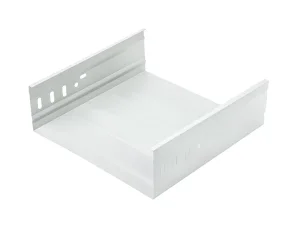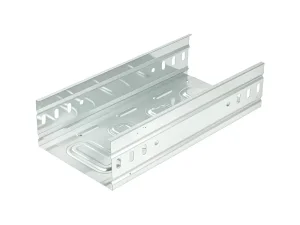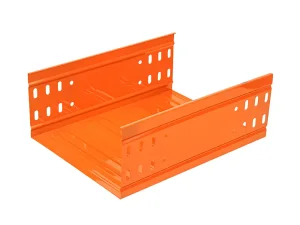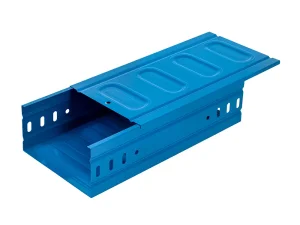
Wholesale Lightweight tenacity aluminium molded cable tray Suppliers, Price
Product Description
| Brand | Qiongkai |
| Model Tag | MCT |
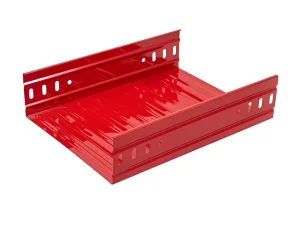
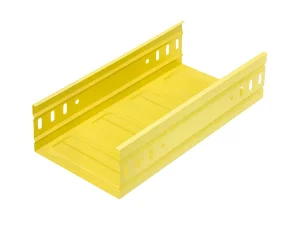
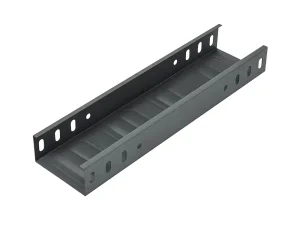
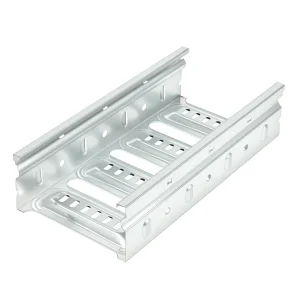
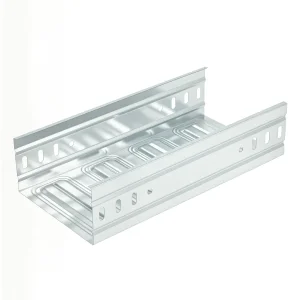
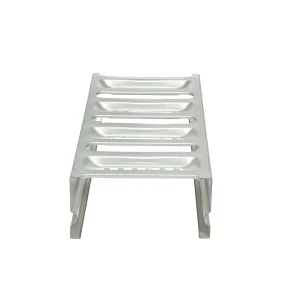
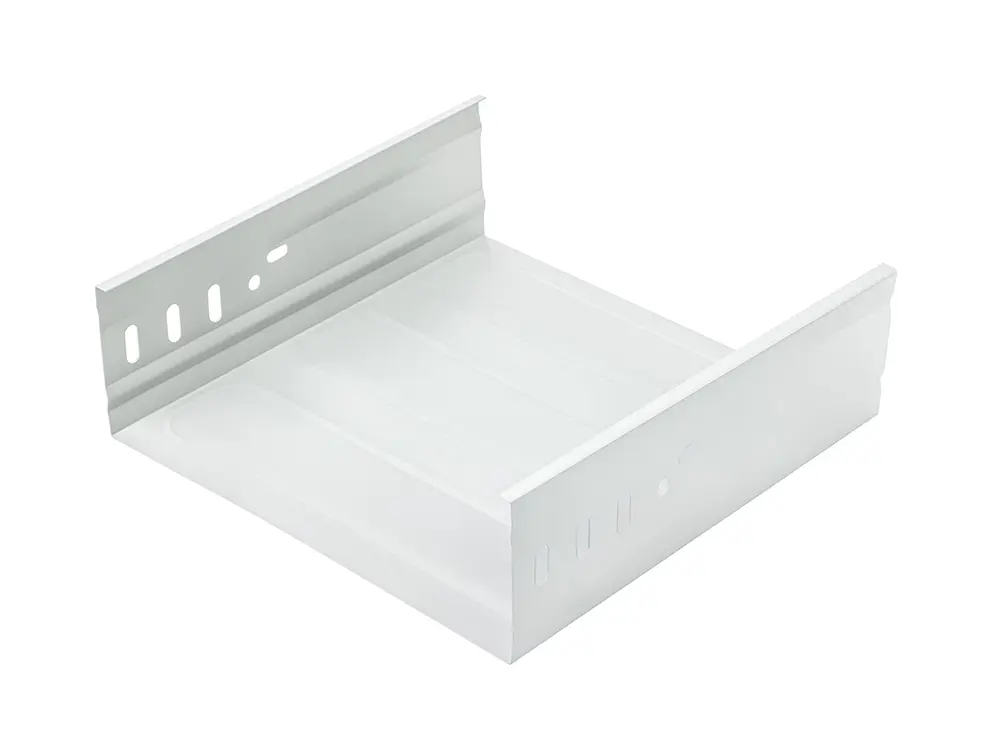
| Product Name | Molded cable tray |
| Material | Steel / Stainless steel / Alloy / FRP |
| Origin | Shanghai, China |
| Perforable Design | Customizable |
| Surface Treatment | Galvanized / HDG / Powder coated |
| Finish | Raw / HDG / Powder coated |
| Color | Silver / Black / Green / Powder coated design |
| Width | 50 - 1000 mm |
| Length | 1 - 10 m |
| Thickness | 0.5 - 2.0 mm |
| Certificates | ISO / CE |
| ODM / OEM | Supported (√) |
| MOQ | 50 |
| Insurance | Customizable |
| Loading Port | Shanghai, Tianjin |
| Selling Units | Meters / Pieces |
| Single Gross Weight | 0.8 kg |
| Production Capacity | 10,000 - 40,000 meters (depending on product) |
| Payment Terms | T/T, L/C, Western Union |
| Price Terms | EXW, FOB, CIF, CFR |
| Delivery Time | 25 days |
| After-Sales Support | Online technical support |
| Free Sample | Available (√) |
Structure and Composition
Tray Substrate
Aluminum-molded Cable Trays typically use aluminum alloys (such as 6063 aluminum alloy) as the base material. Aluminum alloys have excellent mechanical properties, corrosion resistance, and processing characteristics, making them ideal for cable trays. The low density of aluminum results in trays that are lighter than steel trays, facilitating transportation and installation.
Surface Treatment
Aluminum cable trays can be surface-treated in various ways to enhance corrosion resistance, oxidation resistance, and aesthetic appeal.
• Anodization: An electrolytic process forms a hard oxide film on the aluminum surface, improving wear and corrosion resistance.
• Spraying: Powder or liquid spraying adds a protective layer, resisting external environmental impacts.
• Natural Treatment: Aluminum alloys possess natural corrosion resistance, providing essential protection in high-humidity areas.
Molding Process
Aluminum molded cable trays are manufactured using high-precision molds to shape the cable tray. This specialized process stabilizes connection points, enhances load-bearing capacity, and significantly improves the overall mechanical strength of the structure.
Product Advantages
1Lightweight
Aluminum's density is approximately one-third lower than steel, significantly reducing labor and transport expenses. This makes it ideal for overhead and ceiling wiring systems where weight is critical.
2Excellent Corrosion Resistance
Aluminum alloys strongly resist corrosive elements in humid, coastal, or chemical-rich environments. Anodizing further prevents oxidation and moisture damage over time.
3High Strength and Stability
Despite low structural weight, the alloy maintains outstanding mechanical stability, holding extensive cable bundles securely without deformation.
4Aesthetic Appeal
Smooth surfaces with anodized or powder-coated finishes satisfy high aesthetic standards required in modern commercial and premium office spaces.
5High-Temperature Resistance
With a melting point around 660°C, aluminum safely endures elevated ambient temperatures, maintaining cable protection under challenging conditions.
6Environmental Friendliness
Aluminum is highly recyclable and generates minimal hazardous substances during manufacturing and application, complying with global eco-friendly standards.
7Easy to Process and Customize
Offers superior processing flexibility for cutting, bending, and drilling. Readily tailored to specific sizes, geometries, and connection configurations.
Application Areas
Industrial Factories
Provides dependable protection and load capacity against corrosive substances in chemical plants, pharmaceutical facilities, and power stations.
Commercial Buildings
Delivers an organized, flexible infrastructure for power, network, and communication distribution across office towers, shopping malls, and hotels.
Infrastructure
Meets rigorous public utility criteria, ensuring reliable long-term cable management for municipal transportation and power networks.
Petrochemical Industry
Withstands harsh environmental exposure to moisture, gas, and corrosive chemicals common in petroleum, processing, and offshore projects.
Data Centers
Safely carries high-density structured cabling while defending against thermal loads and humidity variations inside mission-critical server environments.
Clean Rooms and Laboratories
Offers a non-contaminating, dust-free, and corrosion-resistant cable management route tailored to strict hygiene-controlled facilities.