
Featured Cable Trays & Specialized Hardware
Precision-manufactured perforated trays, ladders, and wire mesh systems designed to mate seamlessly with certified heavy-duty joint plates and fishplates.
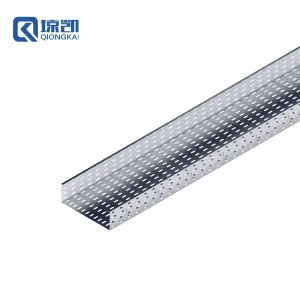
Wholesale Reinforced Medium duty Pre-galvanized Hot-dip-galvanized Perforated Cable Tray 300*100 Manufacturer, Factories
Explore Product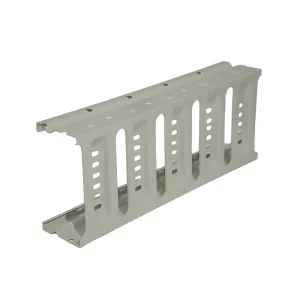
Buy Powder Coated Customizable Ladder Perforated Cable Tray Manufacturer, Factory
Explore Product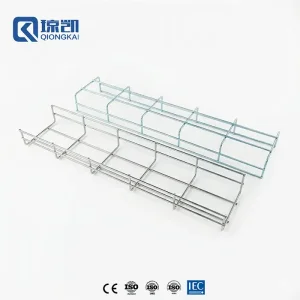
Wholesale Electro Galvanized Carbon Steel EG Stainless Steel SS 304 316 Basket Wire Mesh Grid Cable Tray 100*50 Factory, Factories
Explore Product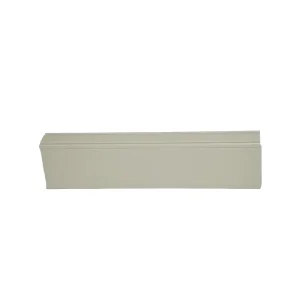
Wholesale UPVC 100*50 Cable Trunking Lightweight Manufacturer, Price
Explore Product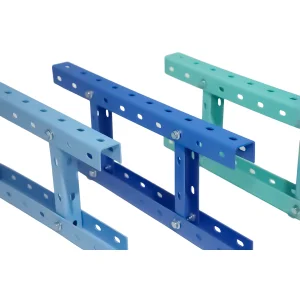
Wholesale Durable Powder Coated Telecom Cable Management Rack Supplier, Factory
Explore Product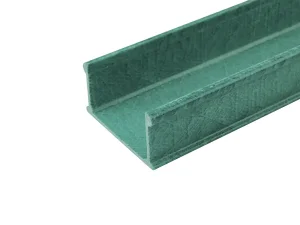
Buy FRP Cable Trunking 200*100 mm Manufacturer, Factories
Explore Product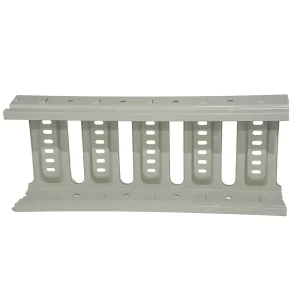
Wholesale Powder Coated Perforated Ladder Type Cable Tray Customizable Factory, Factories
Explore Product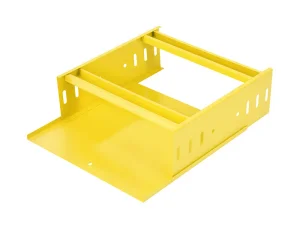
Buy Pre Galvanized Powder coated cable ladder Yellow Manufacturers, Factory
Explore ProductStructural Physics & Mechanical Integrity of Perforated Joint Plates
Why connecting hardware is the single most vulnerable link in containment pathway engineering—and how precision coupling plates eliminate bending moments, deflection, and electrical discontinuities.
Flexural Bending & Shear Load Transfer
In large-span perforated cable containment runs, splice connections frequently encounter severe negative bending moments. High-tensile joint plates (fishplates) reinforce sidewall rigidity, redistributing point stresses across the bolt cluster and eliminating localized sagging at the 0.25L inflection boundary according to NEMA VE 1 / VE 2 design criteria.
Electrical Bonding & Low-Impedance Grounding
Joint plates serve as structural conductors in critical fault-current paths. Precision cold-punched hole matrices combined with serrated serration hardware or bonding jumpers ensure contact resistance complies with IEC 61537 Clause 11.1 (under 50 mΩ across joints), mitigating arc-flash hazards without redundant external earth wiring.
Thermal Expansion Accommodation
In petrochemical refineries and rooftop photovoltaic installations, continuous metallic cable trays expand and contract under severe diurnal temperature deltas. Slotted expansion joint plates absorb up to 25 mm of lateral elongation without shearing containment brackets or warping structural side rails.
Global Enterprise Procurement Trends & Sourcing Bottlenecks
International EPCs, electrical distributors, and tier-1 mechanical contractors face rising supply chain volatility. Discover the critical technical mandates shaping modern RFQs.
Data Center Densification
Hyperscale cloud halls require high-density fiber and power routing overhead. Buyers require precision pre-galvanized (PG) and powder-coated joint plates engineered with rounded slot edges to safeguard high-speed optical lines against micro-abrasions during high-speed pulling.
Aggressive Offshore Environments
LNG liquefaction facilities and offshore wind substations mandate marine-grade Hot-Dip Galvanized (HDG >85μm) or Austenitic Stainless Steel SS316L joint plates to withstand continuous C5-M marine salinity and prevent localized galvanic pitting.
Total Lifecycle Cost Sourcing
Procurement teams are shifting away from cheapest unit-price bidding toward pre-assembled hardware systems. Integrated coach-bolt joint plates save over 35% on site labor hours during rapid commercial fit-outs and infrastructure expansions.
Stringent Compliance Audits
Specifiers strictly enforce third-party metallurgical traceability. Suppliers must deliver MTRs (Mill Test Reports), salt-spray test certificates (ISO 9227), and dynamic seismic shear validation before project dispatch approval.
China Factory 4.0: Supply Chain Agility & Qiongkai Engineering Edge
Headquartered in Shanghai since 2005, Shanghai Qiongkai Industry Co., Ltd. delivers direct-from-factory containment infrastructure across 3 high-capacity production campuses.
Automated CNC Stamping & Roll-Forming
Equipped with 60+ heavy-duty pneumatic presses and progressive stamping dies, our automated lines produce standard straight couplers, wrap-around flange plates, and adjustable pivot hinges with sub-millimeter punching accuracy, ensuring zero alignment frustration on site.
End-to-End In-House Galvanizing
Unlike trading intermediaries, our integrated surface finishing includes hot-dip zinc baths delivering uniform 65μm to 100μm coatings conforming to ISO 1461 / ASTM A123, along with automated electrostatic powder coating lines with RAL color matching.
Direct Deepwater Port Proximity
Situated in Shanghai Songjiang Science City, our shipping hubs operate within immediate trucking corridors to Shanghai Yangshan Deepwater Terminal and Waigaoqiao Port, ensuring seamless FCL/LCL ocean freight dispatch to EU, Middle East, and APAC markets.
Years In Operation (Est. 2005)
Dedicated Production Factories
Manufacturing Floor Space
Automated Assembly Lines
Heavy Metalworking Presses
Perforated Tray Joint Plate Technical Specification Matrix
Engineered across all standard tray profiles (50mm to 150mm side walls). Cross-referenced for mechanical tensile strength, anti-corrosion grades, and environmental survivability.
| Material & Grade | Surface Finish Standard | Yield Strength (MPa) | Corrosion Class (ISO 12944) | Recommended Industrial Applications |
|---|---|---|---|---|
| Pre-Galvanized Carbon Steel (Q235B / DX51D) | EN 10346 (Z180 - Z275) Continuous Dip | ≥ 235 MPa | C1 - C2 (Dry Indoors) | Commercial office fit-outs, enterprise server rooms, conditioned high-rises |
| Hot-Dip Galvanized After Fab (Q235B) | ISO 1461 / ASTM A123 (65–85 μm) | ≥ 245 MPa | C3 - C4 (Humid & Industrial) | Outdoor substations, power plants, elevated rooftop solar raceways, bridges |
| Austenitic Stainless Steel SS304 | Mill Finish / Pickled & Passivated | ≥ 205 MPa | C4 (Hygienic / Industrial) | Food and beverage packaging lines, dairy facilities, pharma cleanrooms |
| Marine Grade Stainless Steel SS316L | Passivated / Electro-Polished | ≥ 220 MPa | C5-M / CX (Extreme Marine) | Offshore oil & gas platforms, coastal desalination, shipboard electrical containment |
| Heavy-Duty Powder Coated Steel | Thermoset Epoxy / Polyester (RAL Colors) | ≥ 235 MPa | C2 - C3 (Color Coded) | Data centers (color coding red/blue/orange), telecommunications, tunnels |
| Fiber-Reinforced Plastic (FRP) | Vinyl Ester / Isophthalic Resin Form | ≥ 180 MPa (Flexural) | Immune to Chemical Acid | Chemical processing factories, fertilizer plants, wastewater treatment basins |
Worldwide Deployment: Engineering Case Studies
From mega-infrastructure hubs to high-heat LNG export facilities, Qiongkai cable trays and couplers are proven under severe real-world operational stresses.
Shanghai Hongqiao International Airport
Supplied extensive corrosion-resistant CT series cable trunking and precision galvanized fishplates throughout terminal basement hubs and baggage processing pathways, maintaining continuous 24/7 grounding integrity with zero vibration loosening.
Offshore LNG Terminal Facility, Qatar
Engineered custom heavy-duty profiled FRP-lined steel support brackets and SS316 marine joint plates capable of sustaining ambient Middle Eastern desert heat (+50°C) paired with dense coastal hypersaline humidity.
Large-Scale Agritech Facility, Paraguay
Delivered cost-optimized, highly reinforced pre-galvanized perforated cable trays with quick-lock coupler splice plates, cutting on-site installation labor time by 40% across expansive automated livestock ventilation halls.
Engineering Guide: Fastener Installation & Support Positioning
Prevent structural deflection and premature galvanic failure with our manufacturer-recommended installation protocol.
The 0.25L Splice Placement Rule
Joint plates should never be located directly at mid-span where positive bending moment peaks, nor directly over a support where negative moment is highest. The ideal mechanical splice location is at 25% of the total span length (0.25L), minimizing combined shear and flexural stress on the joint plate.
Bimetallic Galvanic Isolation
When coupling stainless steel cable trays with galvanized strut supports, always utilize compatible austenitic bolts with nylon isolation washers. Direct contact between dissimilar metals triggers accelerated galvanic battery degradation of the zinc layer in moisture-prone zones.
Calibrated Bolt Torque Specifications
Always torque M6 and M8 flange coach bolts to manufacturer-rated specifications (12 Nm for M6; 25 Nm for M8). Over-torquing can deform the perforated sidewall return flange, while under-torquing compromises earth-continuity testing.
Frequently Asked Questions: Cable Tray Joint Plates & Coupling Systems
Key technical, regulatory, and procurement inquiries resolved by our factory senior engineering directors.
What is the difference between a standard flat joint plate and a wrap-around coupler?
A standard flat joint plate (often called a fishplate or splice washer) sits flush against the inner or outer vertical sidewall of the perforated cable tray and is secured via bolts through the pre-punched hole pattern. A wrap-around coupler (or U-shaped base connector) encloses both the sidewall flange and the bottom floor of the tray. Wrap-around couplers are strongly recommended for heavy-duty series trays (widths ≥ 300mm and depths ≥ 100mm) because they provide bidirectional shear stiffness and prevent tray base sagging under extreme copper cable bundle loading.
Do Qiongkai perforated joint plates provide certified electrical grounding continuity?
Yes. When installed using our serrated under-head carriage bolts and serrated flanged nuts, our joint plates bite through the passivation or paint layer, achieving electrical bond resistance well beneath the 50 mΩ ceiling dictated by IEC 61537 and BS EN 61537 standards. For powder-coated containment runs, we provide dedicated copper bonding jumper kits with pre-crimped ring lugs to ensure compliance without requiring manual on-site scraping.
How many joint plates and bolts are needed per cable tray connection?
A standard connection requires two vertical joint plates (one for each sidewall). For tray depths of 50mm, 4 bolts per pair (2 bolts per plate) are typical. For depths of 100mm and 150mm, 8 bolts per pair (4 bolts per plate) are standard. For trays wider than 300mm, engineering best practices require an additional bottom splice bar secured across the floor perforation to distribute torsional loading evenly.
Can Qiongkai manufacture customized hole slotting and non-standard bends?
Absolutely. Operating 12 assembly lines and over 60 heavy-duty punch presses in Songjiang, Shanghai, we routinely produce custom offset joint plates, vertical adjustable pivot couplers (-90° to +90° for riser transitions), and horizontal tee/cross connectors customized to proprietary architectural constraints. We can tailor hole dimensions, pitch centers, and plate gauges within 48 hours from engineering drawings.
Which finish should I specify for outdoor industrial environments: PG or HDG?
Pre-galvanized (PG) steel is cold-formed from pre-coated coil with a typical zinc coating of 12-20 μm, suitable solely for dry indoor HVAC-conditioned spaces. Hot-Dip Galvanized (HDG) joint plates are fabricated and punched from raw structural steel (Q235B) and subsequently immersed in molten zinc at 450°C, yielding a heavy, self-healing zinc-iron alloy barrier of 65-85+ μm. Outdoor, coastal, or humid installations must always use HDG or stainless steel to prevent rust creep at punched hole edges.
What is your typical production capacity, minimum order quantity (MOQ), and shipping lead time?
Shanghai Qiongkai produces over 50,000 meters of cable tray and matching couplers monthly across 30,000 m² of factory space. Standard inventory joint plates have an MOQ of 500 units (or consolidated with tray container shipments). Standard lead time is 7 to 14 days for standard galvanized profiles, with accelerated dispatch available through Shanghai Yangshan or Waigaoqiao ports.
Coordinated Industrial Trays, Trunking & Raceways
Engineered for long-span rigidity, high amperage cable runs, and severe duty cycles. Complete your containment specification with matching coupling accessories.
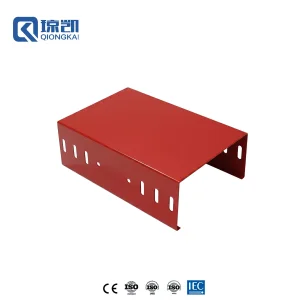
Wholesale Powder Coated Carbon Steel PG Pre Galvanized Cable Trunking Trough Type Channel - RAL3020 Red 200*100 Suppliers, Factory
Explore Product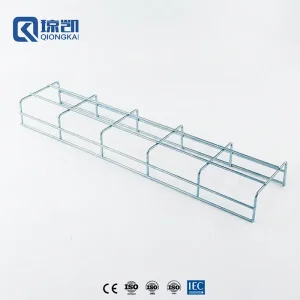
Wholesale Electro Galvanized Carbon Steel EG Basket Wire Mesh Grid Cable Tray 100*50 Supplier, Suppliers
Explore Product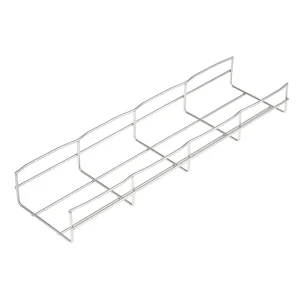
Wholesale Stainless cable tray50mm Manufacturers, Factories
Explore Product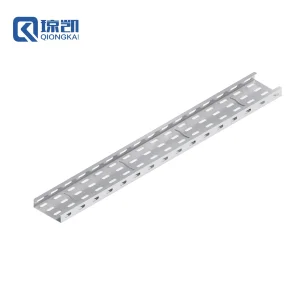
Wholesale Reinforced Medium duty Pre-galvanized Hot-dip-galvanized Perforated Cable Tray 100*25 Factory, Price
Explore Product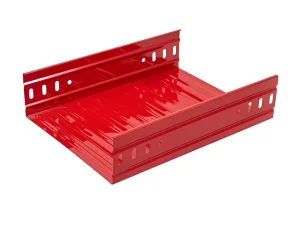
Buy Fireproof Red Pre Galvanized Powder coated molded cable tray Supplier, Price
Explore Product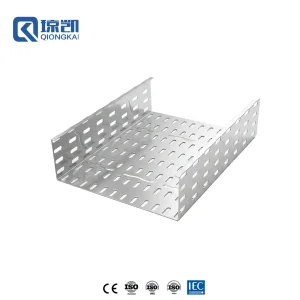
Buy Carbon Steel Pre Galvanized PG Hot Dip[ Galvanized HDG Cable Tray with Reinforce Ribs 300*100 Supplier, Suppliers
Explore Product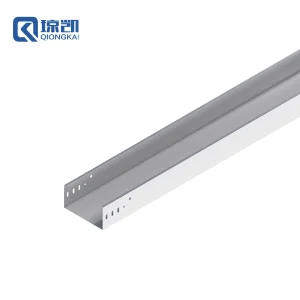
Wholesale Carbon Steel PG Pre Galvanized HDG Hot Dip Galvanized SS Stainless Steel Cable Trunking Trough Type Channel 200*100 Manufacturer, Suppliers
Explore Product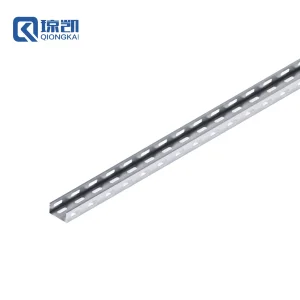
Wholesale PG HDG Perforated Cable Tray 50*25 Supplier, Price
Explore ProductNeed Project-Specific Joint Plates & Tray Engineering?
Submit your electrical containment layout, BOQ, or structural span constraints. Our senior application engineers provide tailored CAD drawings, load-deflection calculations, and competitive factory-direct quotes within 24 hours.