
Featured Cable Tray & Cover Engineering Systems
Explore factory-certified cable tray systems, perforated channels, and high-performance protective covers engineered to ISO 9001 and IEC 61537 industrial standards.
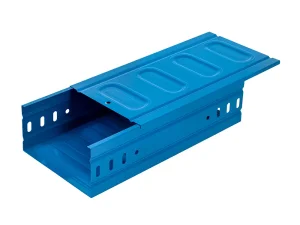
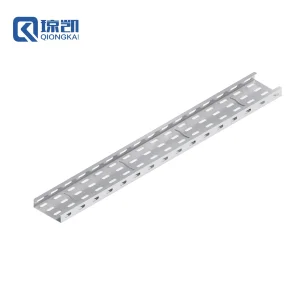
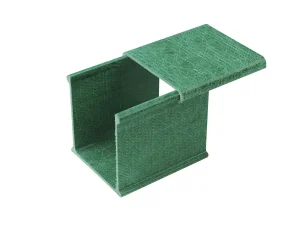
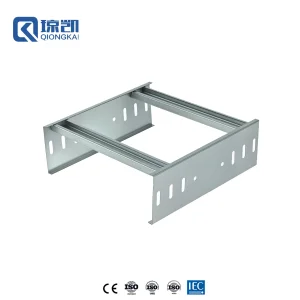
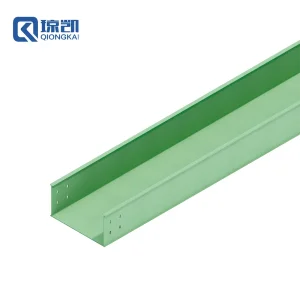
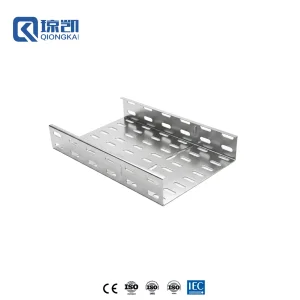
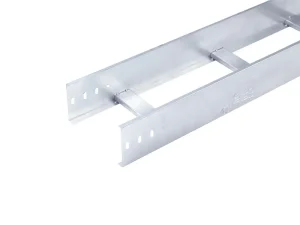
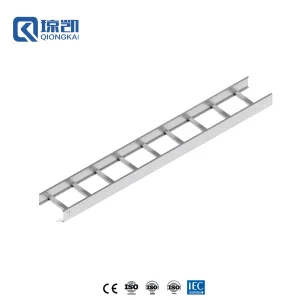
Technological Shift in Industrial Cable Tray Cover Systems
In modern industrial containment infrastructure, cable tray covers have transitioned from secondary aesthetic accessories to critical baseline defense barriers. Rapid electrification, offshore wind integration, automated mega-factories, and hyperscale cloud infrastructure have intensified environmental exposure risks across containment runs.
Cable tray covers fulfill vital electrical safety and risk mitigation functions under global electrical codes (such as NEC Article 392, NEMA VE 1 / VE 2, and IEC 61537). They serve as primary physical firebreaks, protect against ultraviolet (UV) degradation of halogen-free cross-linked polyethylene (XLPE) cable sheaths, and block corrosive airborne moisture, acid mists, and industrial dust buildup.
Engineered cable tray covers dramatically suppress fire propagation risks. In high-density cable clusters, internal heat generation or accidental arc faults can trigger catastrophic cascading thermal events. Solid, flanged, and peaked cover profiles suffocate flare-ups and prevent falling external sparks from igniting combustible cabling.
Core Functions of Protective Covers
- 01. Mechanical Protection: Guard conductors from falling tools, structural debris, scaffolding drops, and accidental human impacts (IK10 compliance).
- 02. Environmental Shielding: Prevent severe sheath embrittlement induced by intense solar UV, rain, ice loading, bird nesting, and airborne chemical particulates.
- 03. Electromagnetic Interference (EMI) Shielding: Continuous metallic covers offer full Faraday cage containment, attenuating RF noise and cross-talk between high-voltage power conduits and sensitive instrumentation/fiber optics.
- 04. Thermal & Liquid Runoff Mitigation: Peaked shed designs prevent hazardous ponding of corrosive fluids and water while shedding external debris naturally.
Cover Architectures, Profiles & Fastening Mechanics
A comprehensive review of standard cover geometries, thermal dissipation dynamics, and extreme-load latching systems.
Solid Flanged Covers
The standard for heavy industrial installations. Features hemmed 15mm-20mm side flanges that reinforce sheet rigidity along the longitudinal axis. Flanges eliminate sharp burrs, safeguard installers, and interlock over the tray side rails to prevent wind uplift and lateral shifting.
Peaked / Shed Roof Covers
Engineered with a 15-degree to 30-degree central apex pitch. Crucial for outdoor desert installations, pulp mills, and chemical complexes. Sheds windblown dust, precipitation, corrosive standing chemicals, and snow piles that could otherwise exceed structural tray load limits.
Ventilated / Louvered Covers
Features stamped downward louvers providing natural heat convection while shielding cabling from vertical debris. Prevents cable ampacity derating penalties in high-temperature sub-stations and data center generator rooms by maintaining natural cooling pathways.
Heavy-Duty Clamp & Neoprene Gaskets
Engineered for high-vibration bridge crossings, marine transit tunnels, and coastal refinery applications. Employs stainless steel turn-buckles, wedge lock clasps, and continuous closed-cell EPDM/Neoprene foam gaskets to deliver high IP ratings (IP54 to IP66).
| Profile Type | Available Widths (mm) | Material Gauge (mm) | Wind Uplift Resistance | Thermal Dissipation Efficiency | Primary Sector Application |
|---|---|---|---|---|---|
| Solid Flat / Flanged | 50 – 1200 mm | 1.0 – 3.0 mm | High (with clamps) | Baseline (Standard ampacity calc) | Commercial, Rail, Indoor Basements |
| Peaked / Gable Shed | 100 – 1000 mm | 1.2 – 3.0 mm | Superior (Aerodynamic Profile) | Moderate (Larger Internal Plenum) | Refineries, Mining, Outdoor Rooftops |
| Louvered Ventilated | 100 – 800 mm | 1.2 – 2.5 mm | Moderate | High (Natural Chimney Convection) | Heavy Power Distribution, Transformer Bays |
| Snap-On Toolless | 50 – 300 mm | 0.8 – 1.5 mm | Low (Indoor Only) | Baseline | Data Centers, Telecom, Low-Voltage IT |
| FRP / GRP Pultruded | 100 – 1000 mm | 2.5 – 5.0 mm | Very High (Non-Metallic Flex) | Insulative (Requires spacing) | Offshore Platforms, Chemical, Marine |
Metallurgical Engineering & Protective Coatings
Specifying the exact substrate and coating chemistry to match site atmospheric corrosivity classifications (C1 through CX).
Pre-Galvanized (Mill Galvanized)
Conforms to EN 10346 and ASTM A653 with a coating weight ranging from Z140 to Z275 (10-20µm zinc). Formed from continuously dipped steel coils prior to stamping and bending. Best suited for clean, humidity-controlled indoor commercial complexes and conditioned data center cable rooms (Corrosivity Class C1-C2).
Hot-Dip Galvanized After Fabrication (HDG)
Fully submerged into molten zinc baths at 450°C in compliance with ISO 1461 and ASTM A123. The zinc-iron metallurgical reaction creates an alloy barrier measuring 65µm to 85µm thick. Completely seals exposed sheet edges and punched holes, offering 30-50 years of maintenance-free service in exterior, marine, and industrial sectors (Class C3-C4).
Stainless Steel 304 / 316 / 316L
High-nickel austenitic alloys cold-rolled and surface passivated. Grade 316/316L provides exceptional resistance to chloride pitting corrosion (PREN > 25), making it the gold standard for offshore oil rigs, LNG liquefaction lines, desalination installations, and sanitary food/pharmaceutical plants (Class C5-CX).
FRP / GRP Composite Polymers
Pultruded vinyl ester or isophthalic polyester reinforced with multidirectional E-glass filaments. Lightweight, flame-retardant (UL 94 V-0, Class 1 spread), and non-conductive. Immune to electrolytic corrosion, hydrogen sulfide, and caustic acid vapors common in wastewater and petrochemical environments.
Electrostatic Powder Coating (RAL System)
Thermoset polyester or epoxy powders electrostatically sprayed and cured at 200°C over PG or carbon steel. Delivers 60-100µm dry film thickness. Often specified in data center network zoning (Red/Blue/Gray circuits), providing extra chemical resistance and clear visual circuit tracking.
Zinc-Aluminum-Magnesium (ZAM)
Next-generation hot-dip alloy coating comprising Zinc, 3% Aluminum, and 3% Magnesium. Offers up to 5x higher corrosion resistance than standard mill galvanizing. The alloy layer flows to "self-heal" exposed stamped edges and scratches, dramatically outperforming standard galvanized steel in humid agricultural and solar environments.
China Factory 4.0: Supply Chain Resilience & Shanghai Port Logistics
Since its founding in 2005 in Songjiang, Shanghai, Shanghai Qiongkai Industry Co., Ltd. has grown from a specialized metal fabrication workshop into a premier global manufacturing powerhouse for cable containment and structural support systems. Operating across 3 specialized factory campuses totaling over 30,000 square meters, our manufacturing ecosystem uses automated Industry 4.0 principles to balance rapid turnaround with strict dimensional tolerance control.
Our facilities house 12 automated continuous cold-roll forming lines and more than 60 heavy-duty CNC punch presses and automated shearing cells. This automated framework enables seamless conversion of master steel coils into finished cable trays, covers, strut channels, and framing hardware with sub-millimeter precision. Fully automated nesting algorithms minimize raw material scrap, giving international wholesale buyers a distinct, stable cost advantage.
Situated in the Shanghai Songjiang Science and Technology corridor, Qiongkai benefits from immediate deep-water logistics access through Shanghai Yangshan Deep-Water Port and Waigaoqiao Port terminals. With streamlined container stuffing processes, steel palletizing optimized for sea-freight racking, and integrated customs clearances, Qiongkai regularly executes complex EPC project deliveries to Europe, the Middle East, Southeast Asia, and the Americas on tight construction schedules.
Standardized Quality Assurance Workflow
Every production batch is tested and verified at four inspection stages before export packout:
- Raw Material Spectroscopy: Coil chemistry, tensile strength, yield rating, and raw mill certifications verified upon delivery.
- Dimensional Metrology: Flange angles, snap tolerances, louver heights, and cover lengths inspected with calibrated laser calipers.
- Coating Thickness & Adhesion: ASTM B499 magnetic gauge tests for zinc thickness; cross-hatch adhesion and ASTM B117 salt spray testing.
- Load & Wind Uplift Simulation: Clamp pull-out resistance, deflection tests under wind-load scenarios, and IK10 impact testing.
Worldwide Engineering Case Studies & Local Scenarios
From extreme desert heat to complex airport infrastructure, Qiongkai containment systems are deployed across demanding international operating environments.
Shanghai Hongqiao International Airport
Scope: High-reliability CT Series Cable Trunking & Heavy-Duty Flanged Enclosed Covers.
Supplied high-density terminal electrical routing requiring strict low-smoke zero-halogen (LSZH) environmental compliance, EMI protection, and flush floor/ceiling trunking integration across critical passenger transit concourses.
Offshore LNG Terminal (Qatar)
Scope: Custom Pultruded Vinyl Ester FRP Covers & 316L Stainless Steel Fasteners.
Designed to withstand Arabian Gulf desert solar radiation exceeding 50°C, combined with high ambient humidity, severe chloride exposure, and abrasive airborne silica sands. Peaked shed geometry prevents sand accumulation.
Heavy Chemical Corridor (Thailand)
Scope: Hybrid FRP-Lined Steel Cable Trays & Heavy-Gauge Solid Protective Enclosures.
Engineered for high mechanical stiffness across extended 6-meter support spans, combining structural steel strength with composite chemical resistance against aggressive sulfur and acid vapors.
Industrial Infrastructure (Northern Italy)
Scope: Batch Hot-Dip Galvanized (HDG) Ladder Trays, Perforated Channels, and Heavy-Gauge Covers.
Full-container shipments engineered strictly to EN ISO 1461 European galvanizing metrics, integrating custom heavy-duty wind clamps designed for exposed alpine foothills and industrial plant applications.
Frequently Asked Questions: Cable Tray Covers & Containment
In-depth technical answers for electrical designers, procurement directors, and MEP project consultants.
What are the key technical criteria for selecting between solid and ventilated cable tray covers?
The choice between solid and ventilated covers centers on the engineering balance between environmental contamination protection and cable ampacity derating / thermal dissipation.
Solid Covers: Provide complete shielding against falling objects, water droplets, UV sunlight, and airborne dust. However, under NEC Article 392 and IEC 61537, installing a continuous solid cover over power cables can require applying an ampacity derating factor (typically 0.85 to 0.90) due to reduced air convection.
Ventilated (Louvered) Covers: Incorporate stamped louvers that allow natural air circulation, minimizing derating issues in high-ampacity power distribution routes while still providing baseline mechanical protection from directly falling debris.
How do peaked (gabled) cable tray covers improve outdoor plant durability?
Peaked covers feature a central pitched ridge (commonly 15° to 30°) that utilizes gravity and wind flow to prevent solids and liquids from resting on top of the containment system. Flat outdoor covers often experience standing water pools when heavy rain hits, which accelerates chemical corrosion and zinc consumption.
In desert or cement manufacturing environments, airborne dust and sand settle on flat surfaces, creating heavy dead loads that can buckle support brackets. Peaked designs naturally shed dust, precipitation, and ice, significantly extending overall infrastructure lifespan.
What fastening systems should be specified for high-wind external cable runs?
Standard indoor friction snap-on covers should never be deployed outdoors. High-wind applications require heavy-duty wrap-around cover clamps, bolted heavy-gauge side brackets, or stainless steel wedge-lock clasps.
According to ASCE 7-16 wind load design guides, aerodynamic suction along industrial rooftops can exceed 1.5 to 3.0 kPa. Wrap-around steel hold-down straps or through-bolted channel clamps anchor the cover flanges securely to the tray side rails, preventing cover displacement during typhoons or hurricanes.
How does Shanghai Qiongkai verify galvanizing quality and anti-corrosion metrics?
All Qiongkai batch hot-dip galvanized components are fabricated from high-grade structural carbon steel and treated under strict ISO 1461 and ASTM A123 bath controls. Post-coating verification includes:
1. Electromagnetic gauge testing across at least 10 sample points per run to confirm minimum zinc thicknesses (typically >65µm for gauge <3mm and >85µm for heavier gauges).
2. Continuous ASTM B117 neutral salt spray test audits to ensure zero red rust breakthrough over specified project hour thresholds.
3. Knife cross-hatch mechanical adhesion checks to ensure complete metallurgical bonding between the zinc-iron alloy layer and the base steel.
Can Qiongkai manufacture custom profiles and non-standard tray cover dimensions?
Yes. With 12 automated roll-forming lines, automated CNC press brakes, and over 60 stamping units across 3 dedicated factories, we manufacture custom cover widths (from 50mm up to 1200mm), customized return flange heights (up to 50mm), specific peaked pitches, and custom louver arrangements.
We work directly from contractor CAD drawings and BIM models, engineering specialized fittings such as peaked reducers, radiused horizontal bend covers, tee junctions, and cross-covers with matched tolerances.
What lead times and container loading capacities can international wholesale buyers expect?
Standard mill-finish pre-galvanized items can ship in as little as 10 to 15 business days. Large custom project orders requiring hot-dip galvanizing or powder coating typically average 20 to 25 days per 40-foot high-cube (40HQ) container.
Our dedicated nesting and packing engineers use specialized nested packing frameworks for covers, allowing them to nest compactly inside matching cable trays. This maximizes steel container weight limits (up to 26–28 metric tons per 40HQ where local road laws permit), dramatically lowering per-meter international freight costs for overseas distributors.
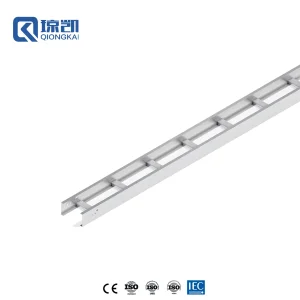
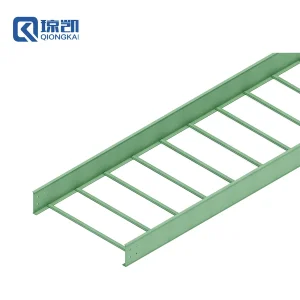
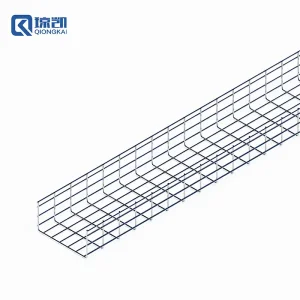
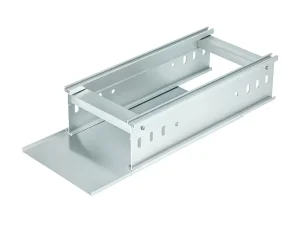
Specialized Containment & Heavy-Load Support Systems
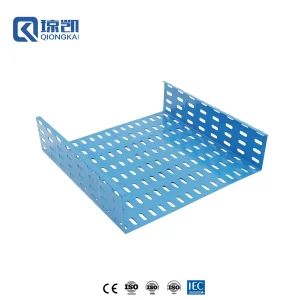
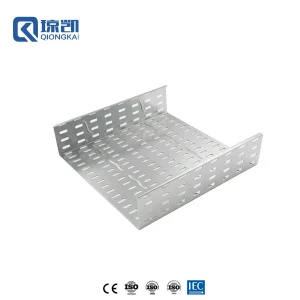
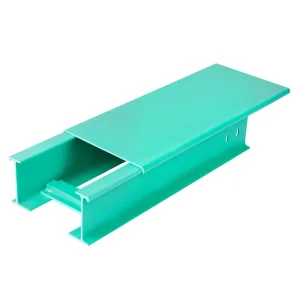
Engineered solutions including wire mesh channels, reinforced ladder structures, and custom-molded heavy industrial containment components.
Direct Factory Sourcing for Global Construction & EPC Projects
Connect directly with our Shanghai engineering and export team. Send your Bill of Quantities (BOQ), single-line diagrams, or custom cover specifications for an engineer-verified quotation, structural load verification, and complete container freight estimates.