Primary Fire-Rated Containment & Support Solutions
Engineered to deliver exceptional thermal insulation, structural integrity under critical load-bearing conditions, and compliance with rigorous international mechanical run requirements.
Comprehensive Cable Tray Passive Fire Protection Engineering
In modern industrial facilities, cable tray systems form the central nervous system of continuous power distribution and automated industrial control. Safeguarding these pathways against high-temperature hydrocarbon and cellulosic fires is paramount to operational survival.
The Catastrophic Cost of Thermal Escalation
Unprotected electrical cable trays act as high-speed thermal conductors. The thermoplastic or thermoset sheath materials used in typical instrumentation and medium-voltage runs degrade rapidly when exposed to temperatures exceeding 200°C.
- Eliminates self-sustained flame propagation along continuous open tray routes.
- Prevents catastrophic flashover caused by decomposing PVC/XLPE insulation gases.
- Preserves instrumentation loop feedback to supervisory safety instrumented systems (SIS).
Intumescent vs. Composite Barrier Technology
Thermal mitigation relies on a dual-strategy design: structural active expansion layers and specialized composite substrate matrix designs capable of enduring standard ASTM E119 and ISO 834 fire curves.
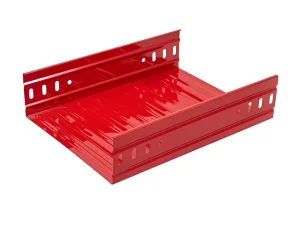
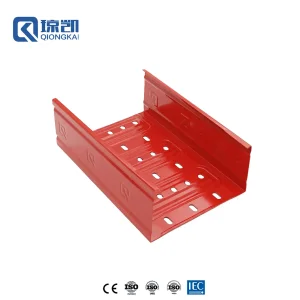
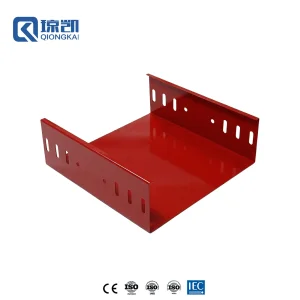
- Intumescent Red RAL3020 Formulations: Foams up to 50x its dry film thickness, creating a microscopic microporous carbonaceous char layer.
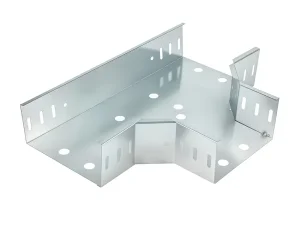
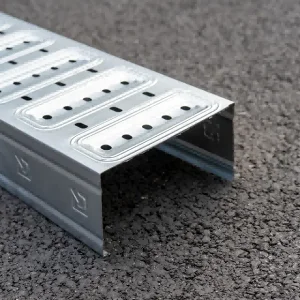
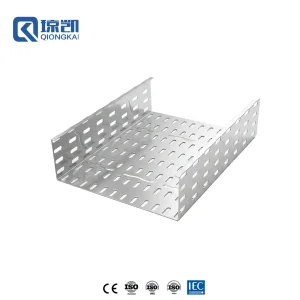
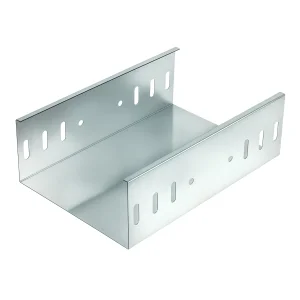
- Reinforced Molded Steel Trays: Rigid ribbed geometries prevent deflections that rupture protective outer barrier shields.
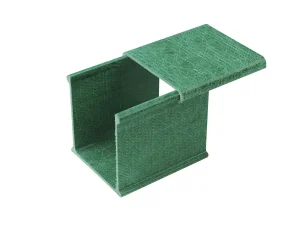
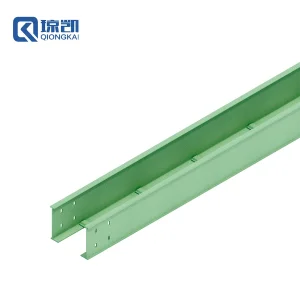
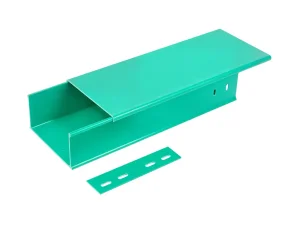
- Thermosetting FRP Profiles: Zero halogen emission resins prevent toxic, corrosive hydrogen chloride vapor generation.
Full Lifecycle Circuit Integrity Engineering
Deploying rated fire containment is not merely an insurance formality—it guarantees an operational window for emergency safe shutdowns, critical life safety pumps, ventilation extraction, and safe personnel egress.
- Maintains mechanical load-bearing resistance during heavy water jet quenching.
- Eliminates thermal derating recalculation penalties through optimized ventilation profiles.
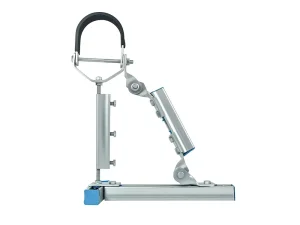
- Integrated with strut channels, seismic bracing, and specialized hardware.
Fire Performance & Substrate Behavior Comparison
A rigorous specification matrix engineered to help procurement teams, consulting engineers, and EPC contractors choose the ideal material for challenging project parameters.
| Containment Profile & Treatment | Thermal Breakdown Limit | Fire Classification Rating | Corrosive Atmosphere Index | Ideal Architectural / Plant Application |
|---|---|---|---|---|
| Pre-Galvanized Intumescent Red (RAL3020) | Up to 1000°C (Char State) | DIN 4102-12 E30-E90, GB 8624 Class A | Moderate Industrial (C2/C3) | Data Processing Hubs, Subways, Commercial Basements |
| Hot-Dip Galvanized Reinforced Ribbed | Melting Point ~420°C (Zinc), Steel >1400°C | ASTM E119 2-Hour Structural Retainment | Severe Exterior Exposure (C4/C5) | Petrochemical Terminals, Heavy Infrastructure, Port Cranes |
| Fiberglass Reinforced Plastic (FRP/GRP) | Structural Rigidity to 350°C (Flame Retardant) | UL 94 V-0, ASTM E84 Class 1 (FSI < 25) | Extreme Acid / Offshore Marine (CX) | Desalination Plants, Offshore LNG Platforms, Fertilizer Storage |
| Stainless Steel 316 / 316L Slotted Basket | Maintains Tensile Integrity >850°C | BS 6387 CWZ Protocol Certified | High Marine, Saline & Caustic Cleanrooms | Pharma Cleanrooms, High-Heat Furnace Areas, Maritime Systems |
| Engineered UPVC Flame-Retardant Trunking | Self-Extinguishing < 130°C (Softening) | UL 94 V-0 Self-Extinguishing | Chemical Splash Resistant | Sub-distribution Low Voltage Runs, Commercial Riser Enclosures |
Global Commercial Footprint & Project Experience
From cryogenic LNG terminals along the Arabian Gulf to subsea transport hubs, Shanghai Qiongkai Industry delivers certified fire protection systems backed by 20+ years of manufacturing expertise.
Aviation & Dense Transit Terminals
Shanghai Hongqiao International Airport: Delivered high-volume CT series corrosion-resistant trunking engineered to isolate dense low-voltage networks. Strict fire boundaries prevent cable-induced smoke spread through pressurized terminal egress tunnels.
Offshore LNG & Severe Marine Installations
Offshore Energy Terminals, Qatar: Manufactured specialized custom profiled sections and thermosetting FRP fireproof ladders. Built to endure ambient heat exceeding 50°C combined with dense marine humidity and harsh hydrocarbon fire threats.
Hyperscale High-Density Data Halls
Mission-Critical Computing Infrastructure: Powder-coated flame-retardant cable trunking and reinforced slotted ladder raceways prevent data loss. Guarantees 90-minute operational headroom to back up redundant cloud drives during fire incidents.
Localized Standards Compliance & Engineering Assurance
Our direct manufacturing facilities operate under comprehensive ISO 9001:2015 frameworks, verifying dimensional tolerances, structural strength, and uniform intumescent coating adhesion before export.
Global Fire Standards Harmonization
We supply fireproof cable trays tested to meet strict multinational protocols, facilitating seamless handover to regional civil defense and building inspection agencies.
- North America: Built around NEC Article 392, NEMA VE-1 load ratings, and ASTM E119 / UL 263.
- Europe & UK: Fully compatible with BS EN 61537, IEC 61537, and DIN 4102-12 functional circuit integrity.
- Middle East & APAC: Direct compliance with Civil Defense flame retardancy directives.
Bespoke Engineering & Seismic Coordination
Fire incidents often occur alongside seismic tremors or physical wall shifts. Combining fire-resistant trays with seismic brackets prevents structural dislodgement during thermal shock.
- In-house CAD drafting matching your Bill of Quantities (BOQ).
- Customized perforation layouts reducing weight without sacrificing fire shielding.
- Optimized splice plate, fire-stop seal, and cover latching mechanisms.
Factory Direct Economics & Containerized Shipping
Avoid middleman surcharges. By operating 3 dedicated plants in Songjiang, Shanghai near deep-water maritime ports, we pass substantial volume-purchasing efficiencies directly to you.
- Protective nested packing prevents coating scratches and chipping in transit.
- Comprehensive Mill Test Certificates (MTC) supplied with every container.
- Rapid turnaround on both standard container loads and custom orders.
Technology Roadmap: The Future of Cable Tray Fire Safety
Shanghai Qiongkai Industry continuously advances its manufacturing processes to deliver higher performance, safer installations, and lower total project costs.
Advanced Nanotech Intumescent Coatings
Our lab is engineering thin-film nano-ceramic modified resins that expand at lower activation temperatures while remaining resilient against physical abrasion during long pulls.
Integrated Fiber-Optic Thermal Sensing Channels
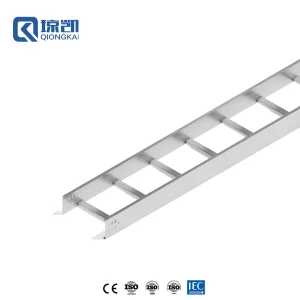
Integrating pre-molded mounting channels for continuous Distributed Temperature Sensing (DTS) fiber cables into our standard ladder rungs provides early warning of localized hot-spots.
Bio-Based Halogen-Free Composites
Developing structural thermosetting pultrusion matrices derived from bio-resins that yield zero toxic halogenated emissions, zero ozone depletion potential, and full end-of-life recyclability.
Frequently Asked Questions on Fire Protection Trays
Authoritative, engineering-backed answers addressing cable tray fireproofing selection, thermal derating, structural bracing, and compliance.
How does an intumescent-coated cable tray prevent cable fire spread?
When exposed to temperatures around 200°C, the specialized chemical intumescent compound expands up to 50 times its original dry thickness. This produces an inert, non-combustible carbonaceous foam barrier that blocks oxygen and insulates cabling against radiant heat and open flame.
Does applying fire protective wraps or coatings affect cable ampacity?
Yes. Blanket wraps trap heat and often force engineers to derate cable ampacity by 20% to 45%. In contrast, factory-coated fireproof cable trays and perforated ventilated profiles maintain regular thermal convection during normal operation, minimizing or eliminating ampacity penalties.
What is the difference between DIN 4102-12 and standard flame-retardant ratings?
Standard flame-retardant tests evaluate only whether the tray material catches fire or drips molten droplets. DIN 4102-12 evaluates complete functional circuit integrity—verifying that critical cables continue carrying power without short circuits for 30, 60, or 90 minutes under furnace conditions.
Can Qiongkai supply custom-engineered sizes, shapes, and color-coded finishes?
Yes. With 12 dedicated automated production lines and around 60 heavy-duty forming presses across 3 Shanghai-area factories, we routinely manufacture non-standard side heights, custom widths, and specialized RAL colors (such as RAL 3020 Safety Red) alongside seismic support brackets.
Structural Tray Channels, Conduits & Fittings
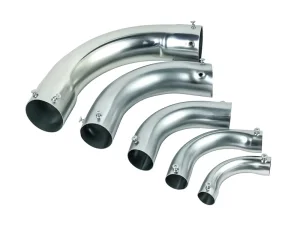
Complete your installations with reinforced perforated trays, corrosion-resistant conduits, and high-strength junction fittings built to withstand intense physical and thermal stress.