
Featured Industrial Containment & Cable Support Systems
Direct factory supply of high-capacity wire mesh, perforated, ladder, and structural channels rigorously manufactured under ISO 9001 and international performance baselines.
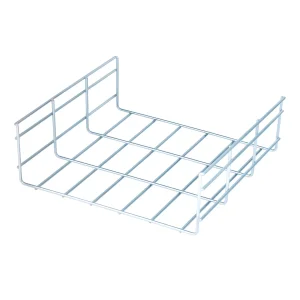
Buy Pre Galvanized Grid Cable Tray 300mm
View Product Specs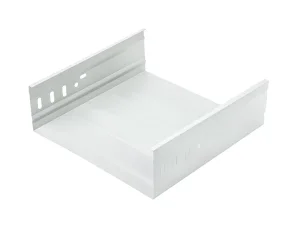
Lightweight Tenacity Aluminium Molded Cable Tray
View Product Specs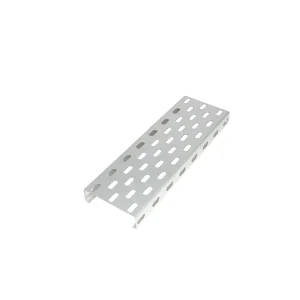
Stainless Steel Marine Use Cable Tray System
View Product Specs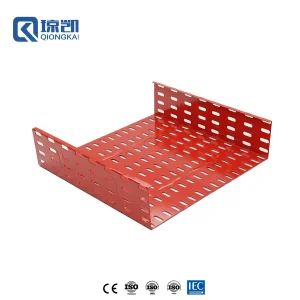
Powder Coated PG Cable Tray Reinforce Ribs 400*100
View Product Specs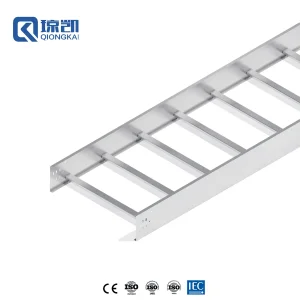
PG Pre-Galvanized Ladder Tray 800*200 System
View Product Specs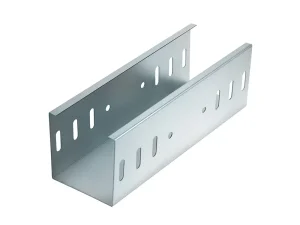
Heavy-Duty Pre Galvanized Enclosed Cable Trunking
View Product Specs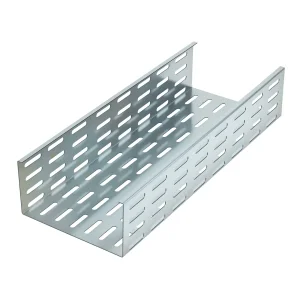
Pre Galvanized Perforated Cable Tray 200mm
View Product Specs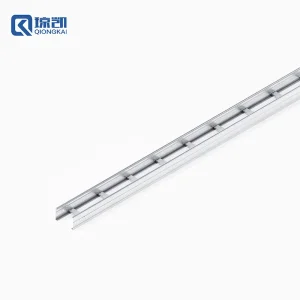
Reinforced PG / HDG Ladder Type Tray 200*100
View Product SpecsTechnical Whitepaper: Engineering Superiority of Pultruded FRP Channels
Why modern mega-infrastructure, offshore processing, and harsh chemical operations are replacing metallic supports with continuous pultruded Glass Fiber-Reinforced Polymer (GFRP) structural channel sections.
Weight reduction compared to standard structural steel profiles, lowering dead loads and freight cost.
Immune to chloride ions, sulfuric vapors, wet hydrogen sulfide (H2S), and saltwater corrosion.
Design maintenance-free service life even in Category C5-M extreme marine/offshore conditions.
ASTM E-84 Class 1 flame spread index and self-extinguishing fire-retardant matrix integration.
In modern industrial engineering, electrical containment, piping racks, and instrumentation raceways are frequently exposed to punishing atmospheric conditions. Traditional Hot-Dip Galvanized (HDG) carbon steel profiles—though historically ubiquitous—suffer from galvanic depletion, micro-fissure oxidation, and edge rust peeling when exposed to coastal salt aerosols, sulfur oxides, chlor-alkali vapors, or cyclic sea mist. Stainless steel (AISI 304/316L) offers partial salvation, yet remains prohibitively expensive, susceptible to chloride stress corrosion cracking (CSCC), and dramatically increases structural dead loads.
Pultruded Fiber-Reinforced Polymer (FRP/GRP) Channels manufactured by Shanghai Qiongkai Industry Co., Ltd. address this metallurgical limitation at the molecular level. Produced by pulling continuous E-CR glass fiber rovings and continuous strand mats through a precision-heated chromate steel die impregnated with high-performance thermosetting resin (Vinylester, Isophthalic, or Epoxy), our FRP C-channels, U-channels, and strut framing members offer a weight-to-strength ratio that exceeds structural steel while exhibiting near-absolute chemical inertness.
Non-Conductive & Dielectric Safety
FRP channels eliminate the risk of accidental step-and-touch voltage transfers in high-voltage substations, electrified rail systems, and data center switchyards. They require no electrical bonding or grounding jumpers, cutting site electrical labor significantly.
Electromagnetic Transparency
Because FRP is non-magnetic, it creates no eddy-current heating or harmonic inductive losses when high-amperage alternating single-core power cables are routed. Critical for radar stations, MRI medical centers, and telecommunication switch rooms.
Machinability & Rapid Installation
Weighing merely one-third of equivalent carbon steel channel, our FRP profiles can be manually carried into elevated offshore decks, confined tunnels, and chemical platforms. They can be saw-cut and field-drilled using carbide-tipped bits without hot-work permits.
Integrated China Factory Ecosystem: Shanghai Qiongkai Supply Chain
Combining heavy-duty pultrusion output, automated CNC slotting, and deep coastal logistics to deliver cost-predictable, high-volume procurement programs to EPC contractors worldwide.
3 Manufacturing Plants
Over 30,000 square meters of dedicated production space in the Shanghai industrial corridor, housing 12 specialized automated assembly lines and more than 60 heavy-duty hydraulic pultrusion drawing tracks.
20+ Years Continuous Experience
Founded in 2005 in Songjiang, Shanghai, Qiongkai has progressed from engineered architectural frames to a Tier-1 multi-material electrical raceway supplier handling multi-million-dollar international tenders.
Raw Material Cost Hedging
Direct bulk agreements with first-line chemical resin distillers (vinylester/isophthalic) and top-tier direct roving spinners provide robust price resilience against international commodity fluctuations.
Deep Sea Port Proximity
Strategic geographic location minutes from Shanghai Yangshan Deepwater Port, Waigaoqiao Terminals, and Ningbo Port facilitates swift customs clearance, zero domestic transit delay, and direct container stuffing.
Unlike regional traders who act as intermediaries with limited control over resin polymer formulation, Shanghai Qiongkai operates as an end-to-end design, tooling, and extrusion manufacturer. Each pultrusion die is engineered with optimized thermal heating zones, ensuring homogeneous cross-linking of the polymer matrix without void formation or dry-fiber anomalies. Our fully automated continuous pultrusion units pull up to 60 strands of continuous roving simultaneously along with multilayer triaxial surfacing veils, creating a glass-rich resin barrier that seals the channel core against atmospheric ultraviolet oxidation and moisture ingress.
Engineering Matrix Formulations & Physical Specifications
Matching the resin chemistry to the exact chemical exposure, ambient temperature, and mechanical load profile of your target project site.
| Resin Type | Resin Description | Corrosion Resistance | Fire Retardance (ASTM E-84) | Temperature Ceiling | Primary Sector Applications |
|---|---|---|---|---|---|
| Vinylester (VE-FR) | Bisphenol-A epoxy vinylester with halogenated fire retardants | Exceptional (Strong acids, chlorine, organic solvents) | Class 1 (< 25 FSI), Self-extinguishing | 105°C (221°F) continuous | Chemical manufacturing, offshore oil & gas platforms, chlor-alkali |
| Isophthalic Polyester (ISO-FR) | Industrial grade isophthalic polyester resin system | High (Mild acids, salts, ambient industrial vapors) | Class 1 (< 25 FSI) with Sb2O3 synergists | 80°C (176°F) continuous | Water and wastewater plants, coastal infrastructure, cooling towers |
| General Purpose (GP) | Orthophthalic structural thermosetting resin | Moderate (Atmospheric moisture, light chemicals) | Standard combustion rating | 65°C (149°F) continuous | Architectural framing, dry indoor light commercial ceiling grids |
| Phenolic Resin (PH-FR) | Polycondensate matrix with ultra-low smoke evolution | High chemical resistance, extreme flame resistance | Class 1 (< 10 FSI), Zero toxic halogen emission | 160°C (320°F) continuous | Subway tunnels, underground mining, enclosed passenger terminals |
Standard Channel Geometries
We produce standard C-Channel shapes, U-channels, Equal Leg Angles, and Unistrut-compatible 41×41mm, 41×21mm, and 41×82mm continuous slotted/solid profiles. Custom dies engineered upon specification.
Surfacing Veil Technology
Every profile features an integrated non-woven synthetic polyester surfacing veil (30-40 g/m²) forming a 90% resin-rich outer layer that protects against fiber bloom, UV chalking, and abrasive chemical splatters.
Custom Punching & Slotting
Equipped with computerized multi-axis CNC punching cells, our facilities provide precise slotting configurations (9/16" x 1-1/8" or 14mm x 28mm standard spacing) ensuring compatibility with universal strut fittings.
Global EPC Procurement: Meeting Rigorous Project Demands
How Tier-1 engineering houses (Bechtel, Petrofac, TechnipFMC, Fluor, Saipem) qualify Qiongkai for mission-critical project submittals and site approvals.
Material Traceability & MTC 3.1
Every pultruded production batch is assigned a unique heat/lot number with complete raw resin chemical titration records, glass fiber roving elongation testing, and EN 10204 3.1 Mill Test Certification.
- Barcol Hardness (ASTM D2583) > 45
- Tensile Strength (ASTM D638) > 200 MPa
- Flexural Modulus (ASTM D790) > 12 GPa
Full Turnkey Support System
EPCs demand complete bill-of-materials fulfillment. Alongside FRP structural channels, we manufacture matching molded FRP 90-degree brackets, channel base plates, beam clamps, and 316 stainless steel or FRP threaded hardware.
- FRP Strut Channel Nuts with springs
- FRP Clevis hangers & cantilever brackets
- Chemical-resistant vinyl ester drop rods
Proven Project Deliveries
Our track record spans demanding global environments: Qatar Offshore LNG projects requiring custom profiled sections, Thailand heavy-load outdoor FRP-lined steel trays, and the corrosion-resistant CT series for Shanghai Hongqiao Airport.
- Middle East extreme heat/UV endurance
- European CE compliance deliveries to Italy
- South American large agro-complex containment
Localization Support, Quality Assurance & Code Compliance
Ensuring seamless design approval by regional municipalities, electrical inspectors, and third-party inspection agencies (SGS, TÜV, Intertek, Bureau Veritas).
International Code Alignment
Our FRP channel framing and cable raceway accessories conform to globally recognized testing criteria:
- NEMA FG 1 & VE 1: Structural performance and load ratings for fiberglass & metallic trays.
- ASTM E-84: Surface burning characteristics achieving Class 1 flame spread rating.
- UL 94 V-0: Vertical burn testing for self-extinguishing plastic and composite materials.
- ISO 9001 / ISO 14001: Fully audited quality and environmental management protocols.
Bilingual Engineering Documentation
We eliminate friction for international consultants through bilingual technical packages:
- Metric (mm, kN/m) and Imperial (in, lbs/ft) dual-dimension shop drawings.
- AutoCAD, REVIT (BIM), and 3D STEP models for mechanical/electrical clash detection.
- Structural deflection and span calculations based on beam loading mechanics.
- Factory inspection reports (FAT) signed off before vessel departure.
Protective Export Packaging
To withstand rough intermodal ocean transit and container handling, all structural profiles are packaged with utmost care:
- Custom timber crates with ISPM-15 heat-treatment phytosanitary stamps.
- Heavy-duty polyolefin shrink wrap shielding against moisture and maritime salt spray.
- Rigid corner edge protectors preventing impact chipping during crane rigging.
- Color-coded bundle tags with QR codes linking directly to packing lists and MTCs.
Localized Application Scenarios: Engineered for Hostile Working Conditions
Field-proven performance across extreme ambient conditions where steel, galvanized coatings, and aluminum degrade prematurely.
Chemical & Chlor-Alkali Plants
Electrolysis cells, pickling vats, and fertilizer manufacturing release concentrated chlorine, hydrochloric acid (HCl), and ammonia mist. Qiongkai vinylester FRP channels provide zero metal reactivity, preventing catastrophic structural framing failures.
Offshore Oil & Gas / LNG Facilities
Subject to continuous saltwater wash, high wind shear, and dynamic deck vibration. Our FRP C-channels deliver robust load capacities with zero marine pitting, significantly lowering topside deadweight on FPSOs and drilling rigs.
Wastewater Treatment & Desalination
Sewage aeration basins and reverse osmosis (RO) membrane racks produce high concentrations of hydrogen sulfide (H2S) gas and high-chloride brine spray. FRP channels resist microbial corrosive attack and saline encrustation without coating maintenance.
Electrified Metro & Rail Transit
Tunnel third-rail and overhead catenary return currents can cause destructive stray-current corrosion in metallic supports. Low-smoke zero-halogen (LSZH) phenolic FRP channels guarantee non-conductive insulation and zero smoke toxicity during tunnel fires.
Coastal Data Centers & Cleanrooms
Prevent zinc whisker contamination caused by electroplated carbon steel in cleanroom airflow pathways. FRP channel structures eliminate conductive microscopic particulate shedding while remaining completely inert to sanitizing washdowns.
Intensive Agriculture & Livestock
Large animal housing and bio-digestion facilities generate heavy uric acid and ammonia condensation. Proven in multi-thousand square meter agricultural facilities in Paraguay, our heavy-duty trays and supports yield indefinite structural reliability.
Industry Trends: The Future of Pultruded Structural Composites
Emerging technology, sustainable decarbonization mandates, and high-performance polymer enhancements shaping the composite infrastructure market.
Decarbonization & Low Embodied Carbon
As global carbon border taxes (CBAM) and ESG reporting take effect, FRP composite channels exhibit up to 45% lower lifecycle embodied carbon compared to energy-intensive blast furnace steel smelting and primary aluminum refining.
Nano-Silica & UV Polyurethane Hybrids
By blending nano-particle matrix modifiers and reactive polyurethane resins into the pultrusion bath, Qiongkai is boosting interlaminar shear strength and expanding continuous working temperature ceilings to 135°C under direct solar radiation.
Automated Pultrusion & Die Sensing
Integration of real-time dielectric sensors along our 12 pultrusion lines continuously monitors resin gelation and exothermic peak curves. This ensures 100% cure optimization without unreacted monomer leaching or micro-porosity.
Frequently Asked Questions (FAQ) for Engineering Buyers
In-depth technical answers addressing material selection, installation logistics, structural calculations, and export purchasing protocols.
What is the primary mechanical difference between FRP C-Channels and metallic channels?
How do I select between Vinylester (VE-FR) and Isophthalic Polyester (ISO-FR) resin systems?
Can Qiongkai supply custom channel thicknesses, profile heights, and non-standard punchings?
How are FRP channels cut, drilled, and sealed during field installation?
How does FRP resist ultraviolet (UV) degradation during prolonged desert or tropical exposure?
What structural fastener hardware should be used with FRP channels?
What are the lead times and container loading capacities for international sea freight?
Full-System Electrical Containment & Support Portfolio
Explore matching metallic trays, cable trunking, stainless raceways, and reinforced channels produced across Qiongkai's three manufacturing plants.
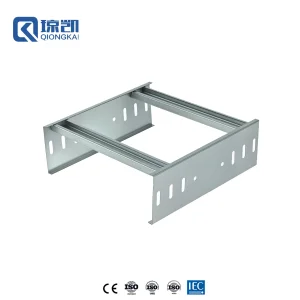
Powder Coated Ladder Cable Tray 200*100 Gray
View Product Specs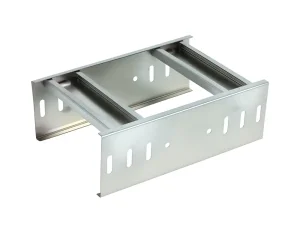
304 and 316 Stainless Cable Ladder Systems
View Product Specs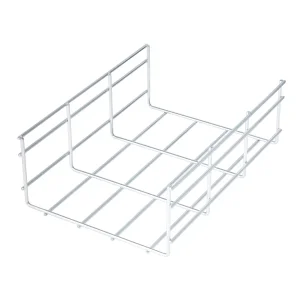
Pre Galvanized Grid Wire Mesh Tray 200mm
View Product Specs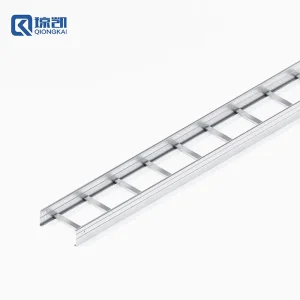
Heavy Duty PG / HDG Cable Ladder 400*150
View Product Specs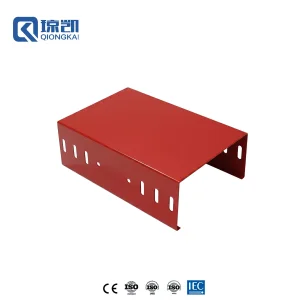
Powder Coated PG Trough Channel Red 200*100
View Product Specs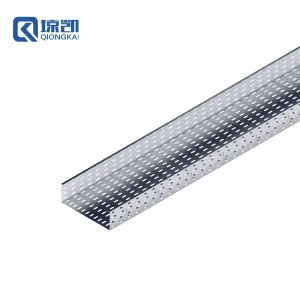
Reinforced Medium Duty PG / HDG Tray 300*100
View Product Specs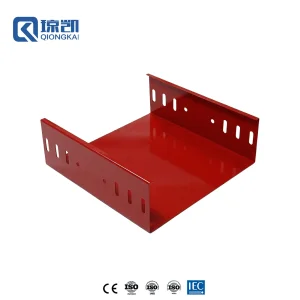
Powder Coated PG Cable Trunking Red 300*100
View Product Specs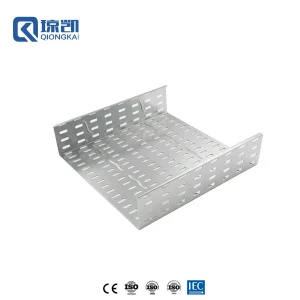
Carbon Steel PG / HDG Tray Reinforce Ribs 400*100
View Product SpecsNeed Project-Specific Structural Takeoffs or Custom FRP Pultrusions?
Submit your Bill of Quantities (BOQ), CAD schematics, or corrosive chemical medium parameters. Our Shanghai application engineering team will calculate load deflections, verify chemical resistance tables, and issue a direct manufacturer proposal within 24 hours.