
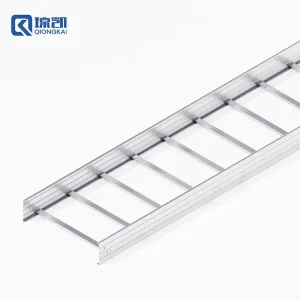
HDG Ladder Type Cable Tray 800*200
Heavy-duty modular cross-sections supporting high-voltage cable grouping across long industrial spans.
Wholesale Heavy Duty Pre GI HDG Ladder Type Cable Tray 800*200 Suppliers, PriceEngineered SS304/SS316 Structural Integrity • IEC 61537 Certified • Mission-Critical Routing Infrastructure Produced at Scale
High-performance perforated systems, cable ladders, and molded routing series designed for rigorous industrial environments.
Heavy-duty modular cross-sections supporting high-voltage cable grouping across long industrial spans.
Wholesale Heavy Duty Pre GI HDG Ladder Type Cable Tray 800*200 Suppliers, Price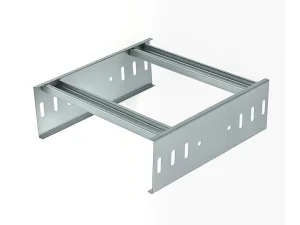
Optimized profile geometry engineered for simplified riser routing and low dead-weight loading overhead.
Wholesale Pre Galvanized light weight cable ladder Manufacturer, Price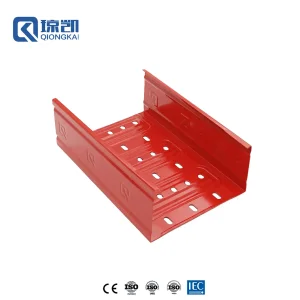
Electrostatic applied thermoset powder finish for dedicated emergency circuit and fire alarm segregation.
Buy Powder Coated Carbon Steel Cost Saving Heavy Duty Reinforced Molded Pre Galvanized Cable Tray - RAL3020 Red 200*100 Supplier, Factory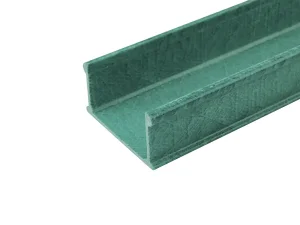
Non-conductive fiber-reinforced polymer formulation for extreme acid-gas, chlor-alkali, and maritime exposures.
Buy FRP Cable Trunking 200*100 mm Manufacturer, Factories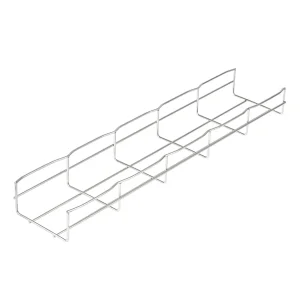
Open stainless wire matrix for sensitive telecommunication pathways and food-contact hygiene zones.
Buy Stainless grid cable tray100mm Manufacturer, Factories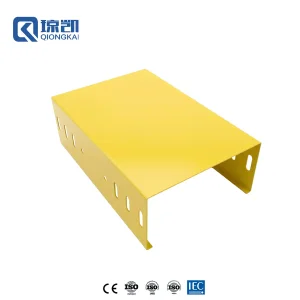
High-visibility safety warning finish designed for dynamic industrial floors and automation cell feeds.
Buy Powder Coated Carbon Steel PG Pre Galvanized Cable Trunking Trough Type Channel - RAL1080 Yellow 200*100 Manufacturer, Factories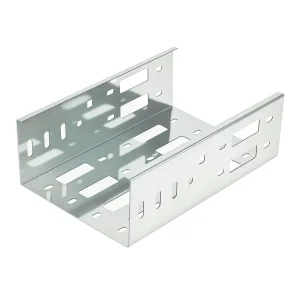
Stamping-engineered perforation layout ensuring continuous ventilation without compromising structural yield.
Wholesale Custom Size Pre Galvanized Perforated Cable Tray Factory, Price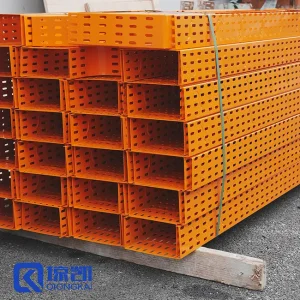
Dual-protected coating platform with high impact resistance and visual power system categorization.
Wholesale Reinforced Medium duty Pre-galvanized Hot-dip-galvanized Powder Coated Perforated Cable Tray 200*100 - Orange Manufacturers, FactoriesModern hyper-scale enterprise infrastructure demands electrification containment that guarantees complete structural immunity against corrosive degradation, fire hazards, and cyclic thermal fatigue.
While carbon steel and post-galvanized systems carry lower initial procurement expenditure, aggressive marine chlorides and chemical vapors cause coating delamination within 3 to 7 years. Austenitic stainless steel perforated trays (AISI 304 and AISI 316L) provide an engineered passive chromium oxide layer that self-heals, eliminating periodic sandblasting, recoating, and mission-critical downtime over a 30+ year lifecycle.
High-density power cabling suffers from Ampacity derating caused by internal heat accumulation inside solid enclosures. Perforated containment engineering balances mechanical perimeter shielding against electrostatic interference (EMI) with convective cooling aerodynamics, allowing conductors to maintain higher current-carrying capacities without risk of premature insulation breakdown.
Under seismic resonance or continuous plant vibrations, welded joints on lesser systems often suffer micro-fissuring. Cold-formed stainless steel profiles combined with precision-stamped ventilation slots deliver superior strength-to-weight performance, complying with international building codes and high-magnitude dynamic shock criteria without structural buckling.
From offshore energy extraction to mission-critical aviation hubs, customized stainless containment systems ensure unbroken operational continuity across disparate environments.
Exposed to severe saline fog, sand abrasion, and ambient temperatures exceeding 50°C, standard galvanizing suffers severe pitting. Marine-grade SS316L perforated profiles with electropolished surfaces resist localized crevice corrosion and micro-abrasion, ensuring absolute control loop integrity across liquefied gas train infrastructures.
High passenger density demands strict adherence to zero-halogen fire safety regulations. Deploying corrosion-resistant CT series and stainless steel containment arrays beneath major aprons and concourses delivers mechanical isolation and electromagnetic barrier protection across critical radar and telecom feeds.
Rigorous CIP/SIP (Clean-In-Place) washdown protocols utilize caustic cleaning solutions and bactericides that destroy surface paint coatings. Smooth-burred stainless steel perforated trays prevent bacterial accumulation, permit multidirectional runoff, and withstand recurring pressurized steam sanitization cycles.
Operating directly adjacent to Shanghai’s deep-water port systems, our consolidated manufacturing clusters integrate high-tonnage multi-station CNC punching, continuous roll forming, and automated passivating lines.
| Performance Specification | AISI 304 (UNS S30400) | AISI 316L (UNS S31603) | HDG Low Carbon Structural Steel |
|---|---|---|---|
| Tensile Strength (MPa) | ≥ 515 | ≥ 485 | 360 - 510 |
| Yield Strength 0.2% (MPa) | ≥ 205 | ≥ 170 | ≥ 235 |
| Corrosion Resistance Class (IEC 61537) | Class 9A (High Industrial) | Class 9B (Marine/Offshore Severe) | Class 6 - 8 (Industrial Outdoor) |
| Precipitation / Chloride Pitting (PREN) | 18.0 – 20.0 | 23.0 – 25.0 | N/A (Barrier Layer Depletion) |
| Continuous Thermal Window | -196°C to +800°C | -196°C to +850°C | -40°C to +200°C (Zinc Alloy Degrades) |
Digital transformation within mega-scale facilities demands cable management evolving beyond passive steel fixtures into intelligent structural conduits.
Traditional splice-plate installation consumes up to 40% of on-site labor overhead. Our advanced roll-forming pipeline incorporates precision snap-fit and click-lock flange connectors, reducing field installation time and minimizing fastener inventories without compromising grounding continuity.
Integrating micro-channel raceways directly into tray side-rails allows continuous deployment of distributed temperature and vibration sensing lines. Facility operators can monitor line heating profiles and detect short-circuit faults before thermal catastrophic runaway occurs.
Complete product matrices are integrated into parametric Revit and IFC building files. Mechanical engineers can instantly run dynamic load deflection simulations, verify center-hung hanger loads, and optimize cable fill paths directly inside building information models prior to procurement release.
Global capital project investments demand strict adherence to third-party mechanical and electrical certification. Every production heat is traceable to mill test certificates.
Fully certified Safe Working Load (SWL) deflection margins, grounding bonding continuity, and structural impact metrics under high-stress criteria.
Manufactured in alignment with North American metallic cable tray specifications governing physical configurations, rungs, and loading classes.
Engineered as an Equipment Grounding Conductor (EGC) when installed according to NEC Article 392 guidelines for continuous electrical protection.
Rigorous metallurgical validation including chemical spectrometry, tensile verification, and salt-spray corrosion chamber testing logs.
Detailed answers addressing engineering validation, material specifications, and cross-border logistical handling.
Specialized fittings, precision-formed channels, and wire matrix systems supporting diversified industrial applications.
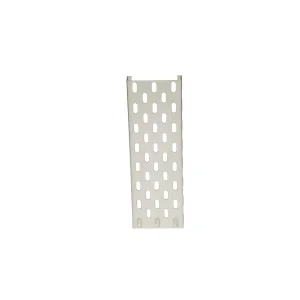
Ultra-compact form factor engineered for high-density instrumentation lines in tight process environments.
Wholesale 100*25 Stainless Steel Extreme Perforated Cable Tray Supplier, Price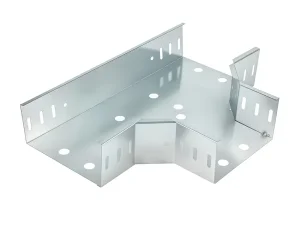
Precision-curved transition fitting maintaining code-compliant bending radii for fiber and power splits.
Buy Pre Galvanized TEE for cable tray Manufacturers, Price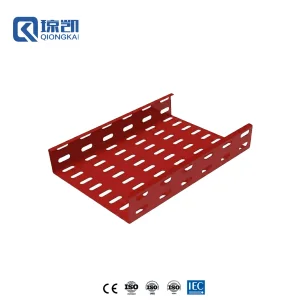
Engineered longitudinal bottom ribs providing elevated load ratings with reduced steel wall thickness.
Buy Powder Coated Carbon Steel Pre Galvanized PG Cable Tray with Reinforce Ribs - RAL3020 Red 200*50 Suppliers, Price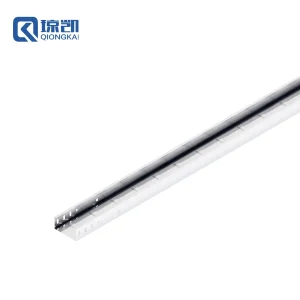
Enclosed trough design providing comprehensive dust protection and physical shielding for sensitive links.
Wholesale Heavy Duty Cost Saving Reinforced Molded Pre Galvanized Cable Trunking Trough Type Channel 100*50 Manufacturer, Price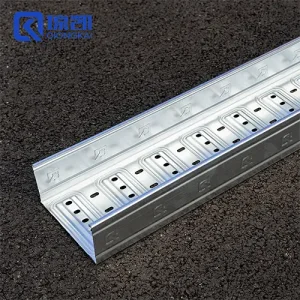
High-efficiency roll-pressed profile delivering optimum span-to-deflection ratios for commercial budgets.
Wholesale Cost Saving Heavy Duty Reinforced Molded Pre Galvanized Cable Tray Factories, Price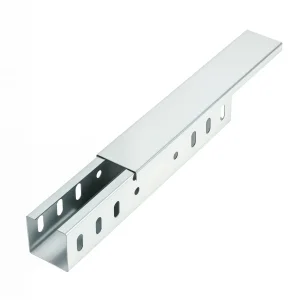
Comprehensive trunking profiles with lockable covers designed for rapid electrical rough-in installation.
Wholesale Pre Galvanized Cable Trunking Series Manufacturer, Supplier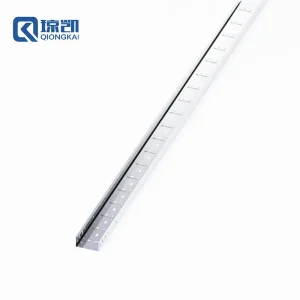
Standardized dimensions designed for rapid deployment across high-volume residential and commercial tiers.
Buy Cost Saving Heavy Duty Reinforced Molded Pre Galvanized Cable Tray 100*50 Suppliers, Price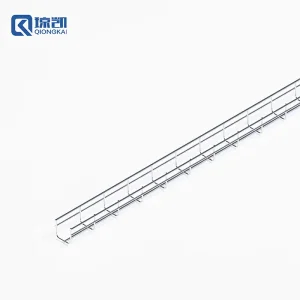
Flexible welded steel wire mesh suited for intricate field bends, short-radius rerouting, and low dead load.
Buy GI Galvanized Wire Mesh Cable Tray 50*50 Manufacturer, Factories