
High-Performance Cable Management & Channel Inventory (Part I)
Explore our foundational range of pre-galvanized, powder-coated, and stainless steel cable trunking, perforated trays, and heavy-duty structural profiles manufactured under stringent ISO 9001 and CE frameworks.
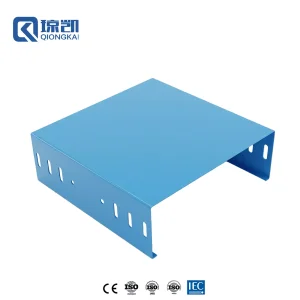
Buy Powder Coated Carbon Steel PG Pre Galvanized Cable Trunking Trough Type Channel - RAL5015 Blue Manufacturer, Suppliers
View Specifications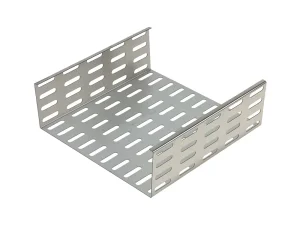
Wholesale Stainless Perforated Cable Tray 300mm - SS304 Suppliers, Factory
View Specifications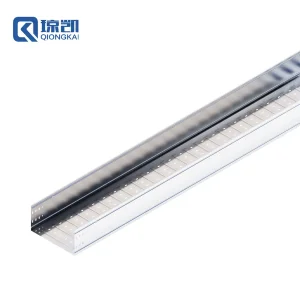
Buy Cost Saving Heavy Duty Reinforced Molded Pre Galvanized Cable Tray with less perforation 400*200 Manufacturers, Factory
View Specifications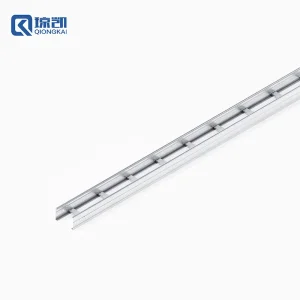
Buy Reinforced Pre Galvanized or HDG Ladder Type Cable Tray 200*100 Manufacturers, Price
View Specifications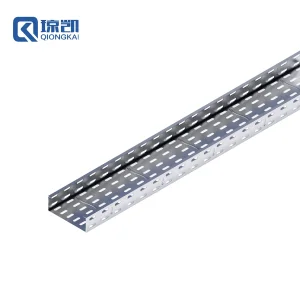
Buy Reinforced Medium duty Pre-galvanized Hot-dip-galvanized Perforated Cable Tray 150*50 Manufacturer, Price
View Specifications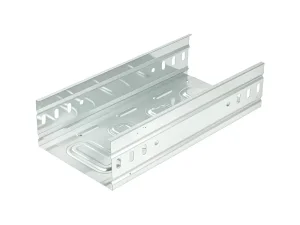
Buy Customizable Pre galvanized molded cable tray Gi or HDG Supplier, Factories
View Specifications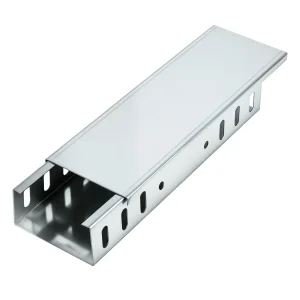
Wholesale Pre-Galvanized Cable Trunking 100*50 Manufacturer, Manufacturers
View Specifications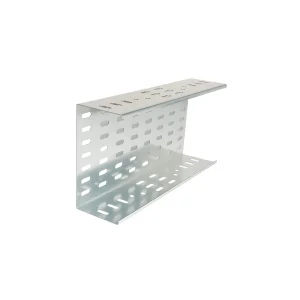
Buy Customized Dense Pre Galvanized Perforated Cable Tray Factory, Price
View SpecificationsEngineering Fundamentals of Stainless Steel Strut Channels
A comprehensive examination of cold-roll formed metal framing, mechanical load paths, inturned lip dynamics, and metallurgical endurance in high-stress infrastructure.
In modern industrial electromechanical (MEP) installations, structural framing profiles must endure intense mechanical stresses, seismic ground accelerations, thermal cycling, and hostile ambient chemistry. Stainless steel Unistrut channels—often termed slotted C-channels, strut framing, or continuous-slot profile rails—serve as the foundational backbone for utility distribution. From supporting primary power cable trays in marine substations to carrying high-purity process piping in pharmaceutical cleanrooms, the integrity of the strut system directly dictates structural safety margins and overall installation longevity.
Standardized fundamentally by the Metal Framing Manufacturers Association (MFMA-4) standards and harmonized globally with BS 6946:1988 and AS/NZS 1592, these cold-formed channels incorporate precision-engineered inturned lips with micro-serrated teeth. When paired with case-hardened stainless steel channel spring nuts, these internal serrations create a positive mechanical interlock. This design prevents longitudinal slippage under cyclic dynamic loads, axial vibration, and thermal expansion or contraction. Unlike ordinary mild steel sections coated with superficial zinc layers, authentic austenitic stainless steel strut profiles offer complete, homogeneous corrosion immunity throughout their cross-sectional profile.
Cold Roll-Forming Mechanics
Manufactured via progressive multi-stage CNC roller dies from continuous cold-rolled stainless coils (ASTM A240). Progressive forming avoids micro-fractures in the channel radius, preserving high residual yield strength across 41×41mm and 41×21mm standard dimensions.
Inturned Serrated Flanges
The channel lips are precision formed inward at 90 degrees with continuous groove indentations. These bite directly into matching channel nut grooves, delivering slip resistance exceeding 1,500 lbs (6.67 kN) per attachment point without requiring on-site welding or drilling.
Modular Versatility
Continuous internal channels accept strut brackets, cantilevers, pipe clamps, seismic rod stiffeners, and wire mesh tray accessories. This system minimizes installation labor by 40% compared to traditional welded structural steel angle systems.
Material Science: SS304 vs. SS316 vs. SS316L Selection Guide
Selecting the optimal stainless alloy grade based on pitting resistance, chloride concentration, sulfuric exposure, and ISO 9223 environmental corrosivity classifications.
One of the most catastrophic procurement errors in heavy construction is mismatching stainless steel grades with the operational environment. While AISI 304 (EN 1.4301) provides outstanding structural toughness and oxidation resistance in benign indoor or moderately humid atmospheres, it remains susceptible to pitting and crevice corrosion when exposed to airborne chlorides above 100 mg/L. For coastal environments, desalination plants, offshore platforms, and wastewater facilities, AISI 316 (EN 1.4401) and low-carbon AISI 316L (EN 1.4404) are essential.
The superior corrosion immunity of SS316-grade alloys stems from the deliberate addition of 2.0% to 3.0% Molybdenum (Mo). Molybdenum fundamentally alters the electro-chemical passivation mechanism, stabilizing the microscopic Chromium Oxide ($Cr_2O_3$) barrier film against breakdown in high-chloride, acidic environments. The Pitting Resistance Equivalent Number (PREN) directly quantifies this performance metric via the standardized formula: PREN = %Cr + 3.3(%Mo) + 16(%N). Below is the validated engineering comparison matrix:
| Alloy Grade | UNS / EN Spec | Chemical Composition | PREN Rating | Yield Strength ($R_{p0.2}$) | Corrosivity Category (ISO 9223) | Typical Industrial Environment |
|---|---|---|---|---|---|---|
| SS304 | UNS S30400 / 1.4301 | 18-20% Cr, 8-10.5% Ni, ≤0.08% C | 18.0 - 20.0 | ≥ 205 MPa | C1 - C3 (Urban / Industrial Mild) | Commercial buildings, HVAC ducts, data hall ceilings, food packaging. |
| SS316 | UNS S31600 / 1.4401 | 16-18% Cr, 10-14% Ni, 2-3% Mo | 23.0 - 25.0 | ≥ 220 MPa | C4 - C5 (Marine / Chemical Aggressive) | Coastal infrastructure, marine docks, water treatment, pharmaceutical. |
| SS316L | UNS S31603 / 1.4404 | 16-18% Cr, 10-14% Ni, 2-3% Mo, ≤0.03% C | 23.0 - 25.5 | ≥ 220 MPa | CX (Extreme Marine / Severe Industrial) | Offshore oil rigs, subsea tunnels, LNG cryogenic skids, pulp & paper. |
Intergranular Corrosion Prevention
By enforcing an ultra-low carbon ceiling (≤0.03% in SS316L), our roll-forming and cutting processes eliminate the precipitation of chromium carbides at grain boundaries, preventing catastrophic intergranular attack along stress-concentrated cutouts.
Strain Hardening Benefits
Cold working during continuous roll forming induces partial strain hardening in the austenitic matrix. This process elevates the practical yield strength from nominal 205 MPa up to >320 MPa in the corner profiles, significantly boosting beam load capabilities.
Passivation According to ASTM A967
Following punching and continuous stamping of slotted profiles, finished channels undergo chemical pickling and citric/nitric acid passivation bath processing to strip free iron contaminants, ensuring an ultra-pure self-repairing passivation film.
China Factory Advantage: End-to-End Stainless Steel Supply Chain
How primary mill partnerships, high-speed automated roll-forming infrastructure, and strategic port proximity drive cost stability and schedule predictability for international megaprojects.
In global structural framing procurement, overseas contractors and distributors often encounter steep markups from intermediaries, unpredictable delivery delays, and fluctuating raw material surcharges. Sourcing directly from an established Chinese manufacturer provides immediate structural cost-efficiency and direct engineering accountability. Our manufacturing facility in Songjiang District, Shanghai, combines premier metallurgical sourcing with comprehensive internal fabrication capabilities across more than 30,000 square meters of modern factory floor space.
We source prime stainless steel mother-coils directly from world-class domestic mills such as TISCO (Taiyuan Iron & Steel) and Baosteel, fully backed by EN 10204 3.1 Material Test Reports (MTRs). With in-house automated decoiling, precision slitters, multi-station CNC punching presses, and high-speed cold roll-forming lines, we control every micron of tolerance from raw flat strip to finished bundled strut profiles. This continuous integration eliminates secondary processing markups and provides true factory-direct wholesale pricing.
Mill-Direct Raw Material Sourcing
Long-term strategic contracts with tier-1 stainless mills ensure stable steel availability and price hedging against volatile Nickel and Molybdenum surcharges.
High-Precision CNC Stamping
Automated inline dies punch uniform slotted holes (standard 9/16" × 1-1/8" or customized spacing) without distorting the channel web or leaving micro-burrs.
Deep Quality Control Protocol
Every heat batch undergoes handheld XRF positive material identification (PMI), dimension verification via optical comparators, and automated tensile stress testing.
Port Proximity & Logistics
Located just minutes from Shanghai Port (Yangshan Deepwater and Waigaoqiao terminals), enabling quick container dispatch, fumigated wood bundling, and reliable maritime scheduling.
International Regulatory Compliance & Localized Engineering Support
Ensuring complete peace of mind through strict adherence to North American, European, Middle Eastern, and Australasian engineering building codes.
Global electromechanical contractors operate under rigid regional regulatory frameworks. Submitting generic framing channels without third-party documentation can cause costly site rejections by third-party inspectors. We eliminate this project risk by certifying our stainless steel strut systems in full alignment with international engineering specifications:
North American Compliance (MFMA / UL)
Fully compliant with MFMA-4 (Metal Framing Standards Publication) dimensional and design guidelines. Certified under UL 2239 for conduit and cable support hardware, meeting standard building safety codes nationwide.
European Union & UK Standards (CE / BS)
Manufactured and performance-tested strictly to BS 6946:1988 (Specification for metal channel cable support systems). Fully compliant with EN 1090-1 execution standards and RoHS/REACH environmental directives.
Seismic Bracing Certification
Engineered for seismic performance across high-hazard regions in compliance with ASCE 7-22 and IBC 2024. Our back-to-back 41×82mm profiles withstand severe cyclic lateral and longitudinal loading without buckling.
Mission-Critical Application Scenarios Worldwide
Proven track record in harsh environments where equipment failure is not an option.
Offshore Oil, Gas & LNG Terminals
Deployed in extreme marine environments (Qatar LNG platforms, North Sea processing skids) where salt spray, hydrogen sulfide, and constant ocean wind degrade conventional coatings within months. SS316L channels deliver a 25+ year maintenance-free design life.
Semiconductor Giga-Fabs & Cleanrooms
Cleanroom environments (ISO Class 1–5) require framing materials with zero zinc outgassing, zero paint flaking, and minimal particulate shedding. Electropolished SS304/SS316 strut rails deliver the structural purity essential for high-yield wafer processing plants.
Food, Beverage & Pharma Processing
CIP (Clean-in-Place) wash-down procedures use caustic caustic soda, nitric acid, and high-pressure steam at 80°C+. Our stainless framing systems resist wash-down chemical corrosion without developing microbiological harboring crevices.
Subsea Tunnels & Rail Infrastructure
Underground metro tracks and vehicular subsea tunnels suffer from moisture saturation, brake dust abrasion, and exhaust gas accumulation. Rigid stainless strut assemblies securely suspend overhead catenary wiring, sensor cables, and ventilation ducts.
Beam Load Capacity & Deflection Mechanics
Authoritative engineering formulas and load charts for calculating allowable spans and safe working limits.
Structural calculation of metal framing systems relies on primary cross-sectional properties: Moment of Inertia ($I_x$), Section Modulus ($S_x$), and the material's structural Modulus of Elasticity ($E \approx 193 \text{ GPa}$ for austenitic stainless steel). Under standard uniformly distributed load conditions (UDL), allowable maximum beam load is governed by two criteria: maximum bending stress (yielding) or maximum allowable deflection (typically limited to $L/200$ or $L/360$ of the span to protect supported electrical conductors).
The standard governing deflection formula for a simple supported beam under uniformly distributed load is: \delta_{max} = \frac{5 \cdot w \cdot L^4}{384 \cdot E \cdot I_x}. Where w is the distributed weight per unit length, L is unsupported span length, E is the modulus of elasticity, and I_x is the major-axis moment of inertia. Below are the verified allowable static uniformly distributed load values for standard 41×41mm (1-5/8" × 1-5/8") 2.5mm (12-Gauge) SS316 strut channel:
| Span Distance (mm / in) | Max Uniform Load at 170 MPa (kN / lbs) | Deflection at Max Load (mm) | Uniform Load at L/200 Deflection (kN) | Uniform Load at L/360 Deflection (kN) |
|---|---|---|---|---|
| 600 mm (24") | 11.20 kN (2,518 lbs) | 0.82 mm | 11.20 kN (Stress Governed) | 11.20 kN (Stress Governed) |
| 900 mm (36") | 7.46 kN (1,677 lbs) | 1.85 mm | 7.46 kN (Stress Governed) | 6.85 kN |
| 1,200 mm (48") | 5.60 kN (1,259 lbs) | 3.28 mm | 5.60 kN (Stress Governed) | 3.85 kN |
| 1,500 mm (60") | 4.48 kN (1,007 lbs) | 5.14 mm | 3.95 kN | 2.46 kN |
| 1,800 mm (72") | 3.73 kN (838 lbs) | 7.40 mm | 2.74 kN | 1.71 kN |
| 2,400 mm (96") | 2.80 kN (629 lbs) | 13.15 mm | 1.54 kN | 0.96 kN |
*Note: Data applies to channels simply supported at both ends with static loads. Safety factor = 1.67 based on yield strength. Multiply loads by 0.5 for concentrated center-point loads.
Emerging Industry Trends in Modular MEP & Decarbonization
Transitioning from traditional field-welded steel structures to off-site pre-assembled MEP modular skids, digital BIM libraries, and low-carbon stainless processing.
Prefabricated MEP Multi-Service Skids
Global megaprojects are moving away from piecemeal on-site installations. Contractors increasingly assemble multi-tier trapeze frames in off-site warehouses using custom pre-cut stainless unistrut channels. This approach shortens on-site installation timelines by up to 65% and substantially reduces high-altitude site labor hazards.
BIM Integration & Digital Twin Libraries
Modern electrical engineering relies on Building Information Modeling (BIM). We provide native Autodesk Revit and IFC parametric families for our complete catalog of stainless strut channels and brackets, enabling accurate clash-detection and digital bill-of-materials generation during early design stages.
Green Stainless & Life Cycle Assessment (LCA)
With environmental, social, and governance (ESG) metrics and carbon border adjustment mechanisms (such as the EU's CBAM) shaping procurement criteria, our factory utilizes high-efficiency scrap-recycled stainless electric arc furnace (EAF) feedstocks. This reduces embodied carbon intensity while providing full mill-to-site traceability.
Frequently Asked Questions: Wholesale Stainless Strut Channels
Clear, practical answers addressing common technical, chemical, and commercial questions raised by international procurement managers and project engineers.
How do you prevent galling (thread seizing) during stainless unistrut assembly?
Galling occurs when friction under high contact pressure breaks the protective oxide film between matching stainless threads, causing micro-welding. We recommend using a high-performance anti-seize lubricant (such as nickel-based paste) on all stainless threaded rods and bolts, or pairing SS316 channels with pre-lubricated or bronze-coated stainless hardware, while strictly limiting dynamic impact wrench installation speeds.
What are the standard torque values for stainless channel spring nuts?
For standard 316 stainless steel channel hardware: 1/2"-13 (M12) bolts require a recommended tightening torque of 50 ft-lbs (68 Nm); 3/8"-16 (M10) bolts require 30 ft-lbs (41 Nm); and 1/4"-20 (M6) fasteners require 6 ft-lbs (8 Nm). Applying torque within these thresholds ensures proper serration engagement without stripping internal channel lip teeth.
Can stainless steel unistrut be installed alongside carbon steel or aluminum?
Direct metallic contact in damp or conductive environments creates a galvanic couple, accelerating galvanic corrosion of the less noble metal (aluminum or carbon steel). We supply non-conductive dielectric isolation pads, neoprene separators, and heavy-duty nylon washers to reliably decouple dissimilar metals in mixed-material assemblies.
What are the dimensional tolerances of your cold roll-formed strut profiles?
Our automated continuous roll-forming lines operate well within MFMA-4 and BS 6946 tolerances: external height and width (41.3mm ±0.35mm), wall thickness (2.5mm ±0.12mm), camber/bowing within 1.0mm per 1,000mm length, and slot dimensional accuracy within ±0.5mm center-to-center.
Can custom slot patterns, lengths, and back-to-back configurations be manufactured?
Yes. With multiple automated CNC punching lines and integrated robotic resistance welding for 41×82mm profiles, we supply custom channel lengths up to 8.0 meters, non-standard slot configurations, round bolt patterns, and custom-located weld-on bracket fittings based on client shop drawings.
What documentation accompanies an export shipment of stainless unistrut channels?
Every commercial export order includes a full Quality Dossier: EN 10204 Type 3.1 Mill Test Certificates containing chemical heat analysis and mechanical test data, handheld XRF Positive Material Identification (PMI) logs, dimension verification reports, Certificate of Origin (CO), and Sea-Freight Fumigation Certificates.
Heavy-Duty Framing, Wire Mesh, Ladder & Seismic Bracing (Part II)
Explore our engineered range of heavy-duty reinforced cable troughs, seismic brackets, fiberglass (FRP) ladders, and stainless steel wire mesh cable trays.
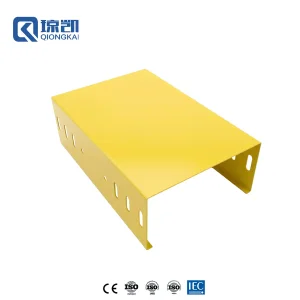
Buy Powder Coated Carbon Steel PG Pre Galvanized Cable Trunking Trough Type Channel - RAL1080 Yellow 200*100 Manufacturer, Factories
View Specifications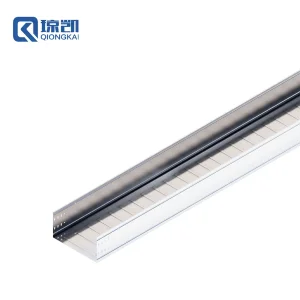
Wholesale Heavy Duty Cost Saving Reinforced Molded Pre Galvanized Cable Trunking Trough Type Channel 400*200 Manufacturers, Supplier
View Specifications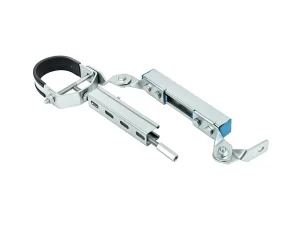
Buy Seismic Bracket Factory, Price
View Specifications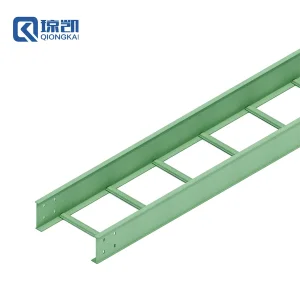
Buy FRP Ladder Type Cable Tray 400*150 Supplier, Factory
View Specifications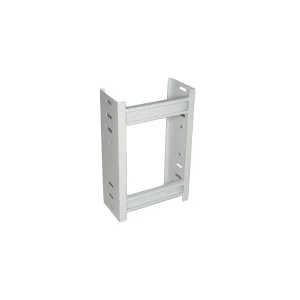
Wholesale Powder Coated Ladder Tray Factory, Price
View Specifications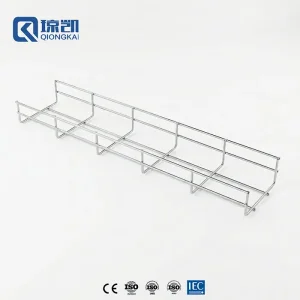
Buy Stainless Steel SS 304 316 Basket Wire Mesh Grid Cable Tray 100*50 Manufacturer, Manufacturers
View Specifications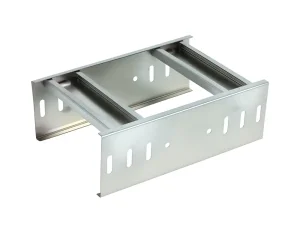
Wholesale 304 and 316 Stainless Cable ladder Factory, Factories
View Specifications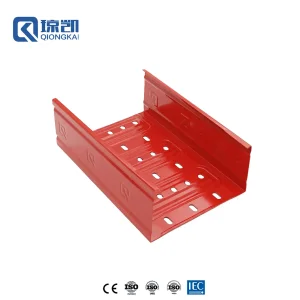
Buy Powder Coated Carbon Steel Cost Saving Heavy Duty Reinforced Molded Pre Galvanized Cable Tray - RAL3020 Red 200*100 Supplier, Factory
View SpecificationsRequest Project Consultation & Direct Factory Quotation
Submit your project Bill of Quantities (BOQ), custom profile drawings, or structural load requirements. Our technical sales team will deliver a comprehensive project proposal, complete with MTR certifications and door-to-port sea freight estimates, within 24 hours.