
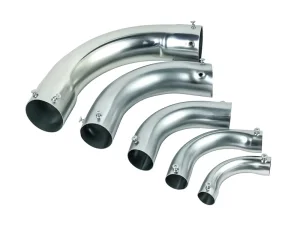
Industrial Core Portfolio - Batch I
Factory-Engineered Cable Containment Systems (Series 01–08)
Standardized and bespoke structural raceway units calibrated for optimal load classification, high thermal heat dissipation, and seamless installation in heavy civil, energy, and telecom sectors.
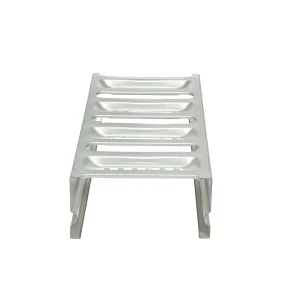
Pre-Galvanized 200*100 Heavy Duty/Cost Saving Cable Tray
View Product Specs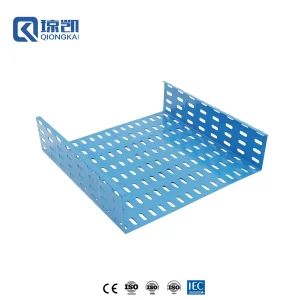
Powder Coated PG/HDG Cable Tray with Reinforce Ribs RAL5015 Blue 400*100
View Product Specs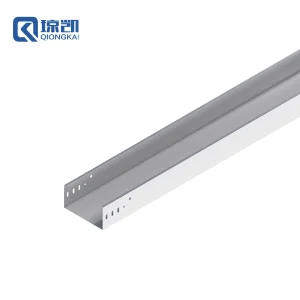
Carbon Steel PG/HDG/SS Cable Trunking Trough Channel 200*100
View Product Specs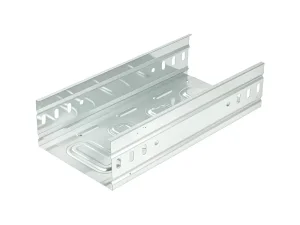
Customizable Pre-Galvanized Molded Cable Tray GI / HDG
View Product Specs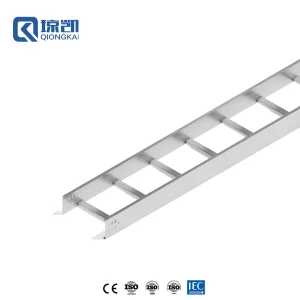
Wholesale Galvanized Ladder Type Cable Tray 400*150
View Product Specs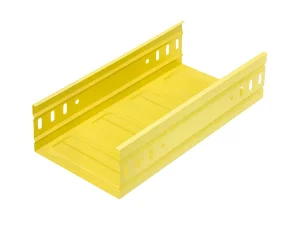
Fireproof Yellow Pre-Galvanized Powder Coated Molded Cable Tray
View Product Specs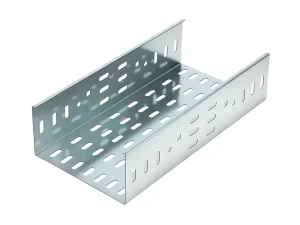
Pre-Galvanized Cable Tray with Customizable Parameters
View Product Specs
Global Supply Chain Intelligence
Enterprise Procurement Dynamics: Wholesale Tray Cable & Containment Realities
Analyzing how multi-national EPC contractors, hyperscale cloud operators, and heavy industrial facilities de-risk capital expenditures through direct-from-manufacturer supply chains.
In modern industrial project execution, the procurement of wholesale tray cable (TC, TC-ER, ITC, and PLTC-rated cables) and their accompanying structural cable tray raceways is no longer treated as a commoditized hardware transaction. Global enterprise procurement leaders evaluate systemic risks, total cost of ownership (TCO), and cross-standard harmonizations between North American (NEC / NFPA 70, UL 1277, NEMA VE-1/VE-2) and International Electrotechnical Commission (IEC 61537, BS EN 61537) regulatory codes.
As mega-scale projects in renewable energy, semi-conductor fabrication (fabs), liquefied natural gas (LNG) terminals, and artificial intelligence compute campuses expand exponentially, tier-1 EPC developers face unprecedented bottlenecks in lead times, material grade counterfeiting, and mechanical failure under extreme environmental loadings. Engaging directly with a specialized, vertically integrated manufacturing partner like Shanghai Qiongkai Industry Co., Ltd. eliminates redundant trading intermediaries, providing verified metallurgical traceability, deterministic scheduling, and customized profile engineering.
30,000 m²
Dedicated Workshop Footprint
12 Lines
Automated Roll-Forming Lines
60+ Units
Heavy-Duty CNC & Press Machinery
US$ 50M+
Peak Annual Global Supply Capacity
Stringent Bill of Materials (BOM) Control
Global project engineering requires precise structural tolerances. Custom sidewall thicknesses (1.0mm to 3.0mm) and specific flange heights prevent structural deflection when high-amperage, large-diameter copper conductor tray cables are loaded at full capacity.
Nested Logistics Volumetrics
Freight overhead can drastically skew unit economics. Our engineering team designs nested cross-section geometries that maximize container cube utilization, reducing intercontinental ocean shipping costs per linear meter by up to 28%.
Guaranteed Metallurgical Traceability
Mill test certificates (MTC 3.1) track hot-rolled coil chemistry, zinc purity baths (ASTM A123 / ISO 1461), and stainless steel austenitic purity (SS304/SS316L), preventing pitting and galvanic decomposition in harsh marine atmospheres.
Cost Breakdown & Benchmark Economics
Factory Direct Wholesale Pricing Architecture: How Rates Are Determined
Demystifying the technical cost variables behind commercial cable tray systems, finish treatments, and high-volume volume discounts.
Understanding wholesale cable tray and raceway pricing requires breaking down the core manufacturing matrix. Cable tray procurement costs are not arbitrary; they correlate directly to London Metal Exchange (LME) raw metal indices, zinc coating mass per square meter, roll-forming machine cycle time, punching complexity (e.g., ventilated slots vs. reinforced molded ribs), and specialty surface treatments.
| Material & Finish Type | Corrosion Rating | Average Wholesale Cost Tier | Ideal Industrial Application | Expected Design Life |
|---|---|---|---|---|
| Pre-Galvanized (PG / GI) Steel | Moderate (Indoor dry) | Baseline Cost Tier ($) | Commercial basements, drywall ceilings, clean rooms | 15–20 Years |
| Hot-Dip Galvanized (HDG) Steel | Extreme (Outdoor / C3–C5) | +30% to +45% over PG | Chemical refineries, outdoor utility substations, ports | 35–50+ Years |
| Austenitic Stainless Steel (SS304) | High Sanitary / Washdown | +120% to +160% over PG | Food & beverage processing, dairies, pharmaceutical | 40+ Years |
| Marine Grade Stainless (SS316 / SS316L) | Superior (Chloride / Offshore) | +180% to +240% over PG | Offshore drilling rigs, desalination, coastal LNG terminals | 50+ Years (Zero maintenance) |
| Pultruded FRP / GRP (Fiberglass) | Immunity to Acid / Chemical fumes | +80% to +130% over PG | Sulfuric acid plants, mining tailings, coastal bridges | 30–40 Years (Non-conductive) |
| Architectural Powder Coated (RAL Shades) | Enhanced aesthetics & UV barrier | +20% to +35% over PG | Mission-critical AI data centers (Red/Blue circuit tagging) | 20–25 Years |
Cost Reduction Strategy for EPC Engineers: By incorporating reinforcing molded ribs into lighter-gauge pre-galvanized or hot-dip galvanized cable trays, structural yield strength can increase by up to 35%. This enables project engineers to specify a 1.2mm or 1.5mm wall thickness instead of a costly 2.0mm unribbed profile, yielding substantial procurement savings without sacrificing NEMA load classifications.
Multi-Sector Applications
Macro Industry Engineering Solutions: Built for Hostile Operating Realities
Customized cable containment and supporting channels deployed across heavy commercial, coastal, and mission-critical installations worldwide.
Hyperscale AI & Cloud Data Centers
High-density GPU server clusters generate massive heat loads and require immense fiber optic and power density. Wire mesh (basket) trays and powder-coated cable runway systems facilitate unimpeded vertical laminar airflow, rapid cable drops, and strict color-coded circuit isolation (RAL 5015 Blue for data networks, RAL 3020 Red for UPS emergency power feeds).
Offshore Marine, Oil & Gas (LNG)
Exposed to severe saline fog, wind shear, and volatile hydrocarbons. Stainless steel 316L ladder trays and corrosion-proof pultruded FRP trough trunking provide unyielding mechanical containment. Rung spacing is configured to secure heavy multi-conductor armored tray cables (MC-HL) against hurricane-force vortex shedding.
Utility-Scale Solar PV & Energy Storage
Massive DC string runs require UV-stabilized, high-yield galvanized steel raceways with ventilated bottom slots to prevent thermal overheating. Continuous roll-formed strut channels with integrated anti-seismic clamp fittings allow rapid ground and rooftop installation with reduced labor overhead.
Clean-Room, Pharma & Food Processing
Sanitary washdown environments demand absolute resistance to caustic disinfectants, high-pressure steam, and organic acids. Wire mesh trays and smooth electro-polished SS304/SS316 raceways prevent moisture collection, dust stagnation, and bacterial harboring.
Airports, Metro Stations & High-Speed Rail
Public transit infrastructure prioritizes human safety and zero-smoke fire integrity. Certified fire-rated cable trunking and hot-dip galvanized support frames guarantee 90-minute operational continuity during fire events, powering emergency egress lighting and ventilation fans.
Heavy Agriculture & Livestock Processing
High concentrations of atmospheric ammonia, animal waste vapors, and cyclic humidity cause rapid deterioration in standard zinc coatings. Customized high-micron HDG and composite FRP solutions protect primary feeder cabling over multiple decades.
Engineering Foresight
Technical Roadmap & Future Outlook: Next-Generation Cable Support
Embracing industrial digitalization, automated roll-forming precision, circular metallurgy, and integrated structural sensing.
BIM Level 3 Digital Twin Modeling
Complete parametric 3D CAD/Revit family files allow engineering consultants to simulate load deflection curves, clash detection with HVAC ducts, and precise Bill of Material take-offs directly within digital twins, reducing field cutting and on-site scrap.
High-Yield Ultra-Light Metallurgy
Developing micro-alloyed cold-rolled structural steels with yield strengths exceeding 420 MPa. This structural breakthrough achieves higher safe working loads (SWL) with reduced overall metal dead-weight, lightening ceiling load stress.
Eco-Friendly Low-Carbon Zinc-Al-Mg Coatings
Transitioning toward zinc-aluminum-magnesium (ZM) alloy coatings that deliver up to four times the atmospheric corrosion protection of conventional hot-dip galvanizing, with self-healing edge corrosion behavior on sheared edges.
Modular Bolt-Free Quick-Locking Joints
Pioneering snap-together connector plates and tool-less spring-lock splice systems that decrease mechanical assembly labor hours on-site by up to 60%, drastically accelerating construction timelines for mega-scale industrial complexes.
Rigorous Regulatory Governance
Engineering Compliance, Load Classifications & Structural Safety
Certified alignment with international engineering bodies governing structural integrity, fire ratings, and seismic performance.
Cable support structural failure can trigger cataclysmic plant shut-downs, high-voltage flashovers, and life safety hazards. Our fabrication plants operate strictly under certified quality management systems conforming to international engineering frameworks:
NEMA VE-1 / NEMA VE-2 Standards
Defines metallic cable tray systems manufacturing benchmarks, destructive load test methods, and on-site field installation practices. Products are stamped and rated under explicit load classes (Class 8C, 12C, 20A, 20C) designating maximum working load in lbs/ft across 8ft, 12ft, and 20ft support spans.
IEC 61537 International Compliance
Specifies requirements and tests for cable tray systems and cable ladder systems intended for the support and accommodation of cables. Thoroughly tested for electrical continuity, safe working load (SWL) verification, and impact resistance at sub-zero operating temperatures (-40°C).
Seismic & Vibration Resistance (Zone 4)
High-capacity strut channels and seismic rigid bracing brackets engineered in accordance with ASCE 7 and IBC seismic provisions. Rigorously tested to withstand high-magnitude lateral and longitudinal seismic acceleration shocks without fastener pull-out.
Industrial Core Portfolio - Batch II
Specialty Raceways, Strut Framing & Structural Hardware (Series 09–16)
Heavy-gauge perforated trays, seismic support bracketry, wire mesh baskets, fireproof powder-coated troughs, and FRP non-conductive channels.
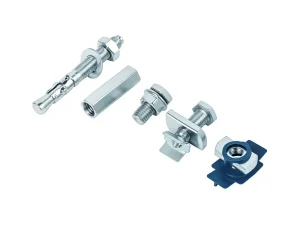
Seismic Resistant Bracket & Channel Accessories
View Product Specs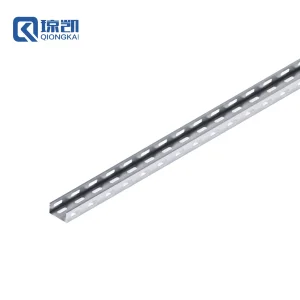
Wholesale PG / HDG Perforated Cable Tray 50*25
View Product Specs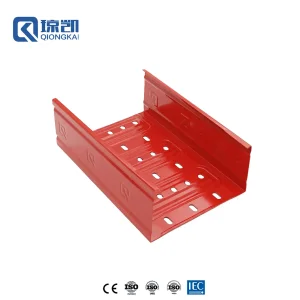
Powder Coated Reinforced Molded Cable Tray RAL3020 Red 200*100
View Product Specs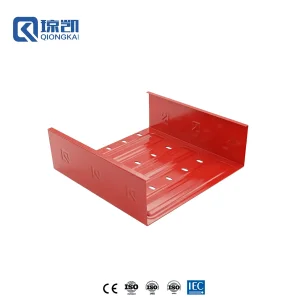
Reinforced Molded Pre-Galvanized Cable Tray RAL3020 Red 300*100
View Product Specs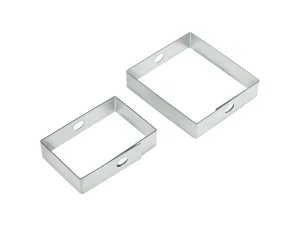
Wholesale Pre-Galvanized Square Metal Formed Shapes & Molds
View Product Specs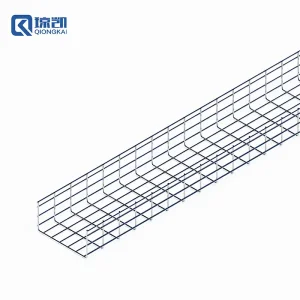
Buy GI Galvanized Wire Mesh Tray 300*150
View Product Specs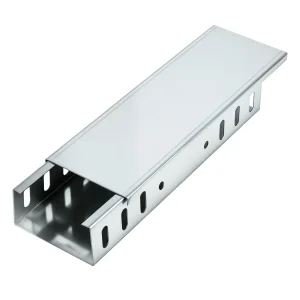
Wholesale Pre-Galvanized Cable Trunking 100*50
View Product Specs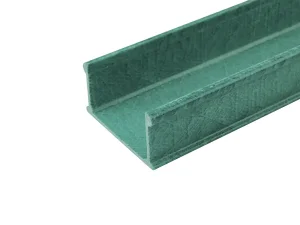
Corrosion-Resistant FRP Cable Trunking 200*100 mm
View Product Specs
Demonstrated Engineering Authority
Worldwide Project Verification: Real-World Case Studies
Proof of reliability from modern transportation terminals to Middle Eastern LNG production complexes.
Major International Aviation Hub
Shanghai Hongqiao International Airport
Supplied high-volume corrosion-resistant CT series cable trunking for terminal power distribution and subterranean baggage handling tunnels, ensuring continuous EMC shielding against radio interference.
Offshore Oil & Gas / Middle East
Offshore LNG Marine Complex, Qatar
Engineered bespoke non-standard profiled heavy-duty stainless steel 316L cable support sections to withstand 50°C+ ambient desert temperatures and extreme marine chloride atmospheric conditions.
Extreme Tropical Industrial Environment
Coastal Chemical Refining Facility, Thailand
Delivered an integrated high-load FRP-lined composite steel cable tray network resistant to ambient sulfur dioxide fumes, intense UV exposure, and monsoon seasonal downpours.
European Industrial Infrastructure
Commercial Factory Distribution, Italy
Fabricated and exported containerized batches of batch-galvanized HDG cable tray systems with custom splice fittings, meeting strict EU CE machinery safety and structural load criteria.
Aggressive Agricultural Atmosphere
Industrial Livestock Facility, Paraguay
Engineered a value-optimized, reinforced molded heavy-duty cable tray installation resistant to atmospheric ammonia and routine high-pressure chemical washdowns within tight budget constraints.
Semiconductor Fabrication Plant
Precision Wafer Foundry Sub-Fab Routing
Delivered electro-polished wire mesh basket trays and cleanroom-grade strut networks ensuring zero particulate shedding and vibration damping for high-purity electrical lines.
Technical Clarifications
Frequently Asked Questions: Wholesale Tray Cable & Containment Systems
Expert answers addressing load calculations, surface finishes, container packing, and custom extrusion capabilities.
What is the technical distinction between Wholesale Tray Cable (TC / TC-ER) and Cable Trays?
Tray Cable (TC or TC-ER) designates the multi-conductor electrical cable rated under UL 1277 and NEC Article 336 for installation in cable trays, raceways, or outdoor overhead messengers. Cable Trays (ladder, perforated trough, wire mesh, solid bottom) designate the continuous structural metallic or composite support raceway system engineered under NEMA VE-1 and IEC 61537 that physically carries and shields these cables. As a complete solutions manufacturer, Shanghai Qiongkai supplies the coordinated structural tray raceways, channels, and support frameworks designed specifically to accommodate tray-rated cable systems.
How does the factory determine Safe Working Load (SWL) and Deflection Limits?
Our trays undergo destructive load testing per NEMA VE-1 standards using hydraulic actuators or distributed calibrated lead-weight ingots across continuous 2-span and single-span configurations. Safe Working Load (SWL) incorporates a minimum safety factor of 1.5 relative to ultimate structural yield failure. Structural deflection limits are rigorously restricted to L/200 (span length divided by 200) to ensure zero visible sagging or strain on sensitive high-voltage or fiber optic cables.
When should an EPC contractor specify Hot-Dip Galvanizing (HDG) versus Pre-Galvanizing (PG)?
Pre-galvanized (mill-galvanized) steel features a typical zinc coating of 12 to 20 microns (Z120–Z275), applied prior to stamping and bending; it is ideal for indoor dry HVAC plenums, server halls, and commercial basements. Hot-Dip Galvanized after fabrication (HDG per ASTM A123 / ISO 1461) completely immerses the completed, punched, and welded steel tray into a bath of 450°C molten zinc, producing an alloyed protective shell 65 to 100+ microns thick. HDG is required for outdoor substations, petrochemical refineries, solar farms, and coastal maritime environments.
Can Qiongkai manufacture customized heights, non-standard rungs, and special hole configurations?
Yes. With over 60 heavy-duty CNC punch presses, stamping stations, and customizable automated roll-forming heads across 3 manufacturing workshops, we routinely produce custom profile side-rails (50mm, 75mm, 100mm, 150mm, 200mm heights), custom rung spacing (150mm, 225mm, 300mm center-to-center), and proprietary hole perforations engineered for custom seismic clamps or cable cleat brackets.
How are wholesale cable tray export shipments packaged to prevent freight damage?
All export shipments are packaged using industrial wooden skids, steel-banding strapping, and waterproof multi-layer PE shrink wrapping. Straight section trays are designed with nesting dimensional tolerances, allowing identical widths to nest compactly inside one another. Delicate powder-coated surfaces are separated by protective non-abrasive foam paper to prevent transit vibration scuffing.
What is the typical production lead-time for full container load (FCL) orders?
Standard pre-galvanized cable trays, wire mesh trays, and strut channels maintain a standard factory lead time of 10 to 18 days for 1×40' HQ container loads. Hot-dip galvanized batches and custom architectural powder coatings typically require 15 to 25 days due to secondary pickling, hot-dip immersion, and passivation curing procedures. Emergency phased shipments can be expedited to support pressing EPC milestones.
Initiate a Direct Factory RFQ for Wholesale Cable Containment
Send your Bill of Quantities (BOQ), single-line diagrams, or structural specifications directly to our engineering division for comprehensive loading analyses, drawing generation, and factory pricing.