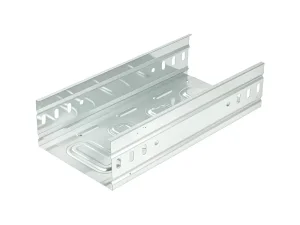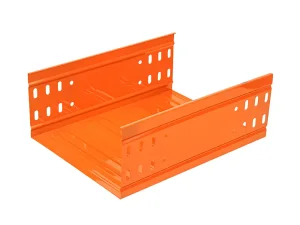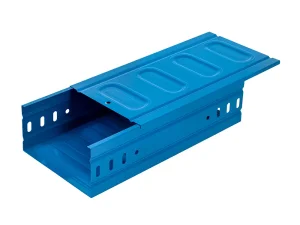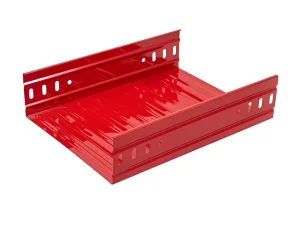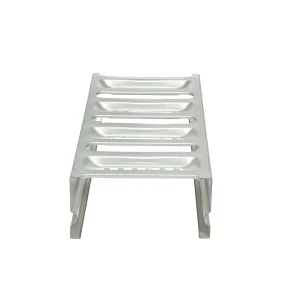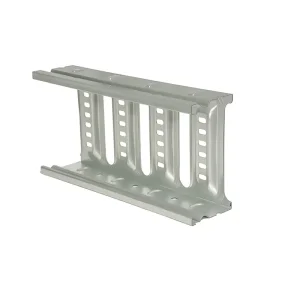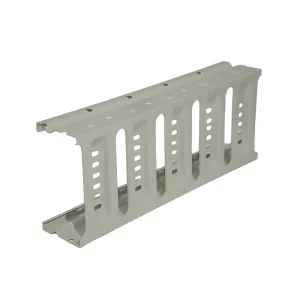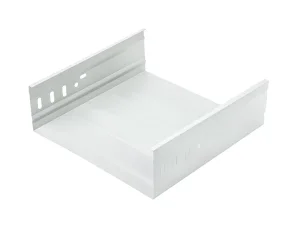
AS/NZS 3013 & NEMA VE-1 Compliance Engineering

Buy Heavy Duty Series Manufacturer & Manufacturers in the Australia Market

Precision-engineered, high-tensile cable tray and structural support systems tailored for Australia's demanding mining, energy, and infrastructure sectors. Fully certified for C5-M marine and desert corrosion conditions.

Product Architecture

High-Performance Heavy Duty Trays for Australian Applications

Certified containment profiles engineered for extended support spans, high dynamic mechanical loads, and aggressive environmental durability.

Industrial Intelligence

The Australian Heavy Industrial Environment: Engineering Reality & Structural Challenges

A rigorous metallurgical overview of the environmental stresses dictating cable containment design across Australasia's primary economic zones.

Severe Atmospheric Corrosivity: AS/NZS 4680 & ISO 9223 C5-M Zones

Australia hosts some of the most punishing industrial and coastal environments in the world. Projects situated in coastal Western Australia (e.g., Karratha, Port Hedland, Dampier), Queensland LNG processing corridors (Gladstone, Curtis Island), and offshore platforms are exposed to microclimates classified under ISO 9223 as C5-M (Marine) or CX (Extreme).

Standard electrical containment systems coated with standard electroplating or thin pre-galvanized zinc breakdown in these environments within 24 to 36 months due to high airborne chloride concentrations, continuous high humidity, and cyclic temperature ranges exceeding 45°C. For heavy-duty cable ladders and molded channels, tier-1 EPC contractors mandate thick Hot-Dip Galvanizing (HDG) to AS/NZS 4680 (delivering a minimum mean coating thickness of 85–100 μm), or the deployment of passivated Marine-Grade 6063-T6 Aluminium and AISI 316L Stainless Steel.

Structural Integrity Under AS 1170.2 Wind Shear & AS/NZS 3013 Fire Load

Cable support structures installed across northern Australia must withstand category 4 and 5 cyclonic events governed by AS/NZS 1170.2 (Structural Design Actions - Wind Actions). High wind velocities generate severe lateral deflection and torsional stress on outdoor pipe racks and elevated tray runs.

Simultaneously, mission-critical infrastructure such as the Sydney Metro, Melbourne West Gate Tunnel, and subterranean mine refuges mandate adherence to AS/NZS 3013, which classifies the wiring and cable management system's capability to maintain electrical function and structural integrity under fire conditions up to 1,050°C for 120 minutes (Classification WS52W or WS53W). Heavy-duty series trays must utilize cold-formed continuous side rails, robotically welded rungs, and specific steel wall gauges (1.5mm to 3.0mm) to eliminate catastrophic buckling under high mechanical payload during thermal expansion.

100+ μm
Galvanized Layer (AS/NZS 4680)
6.0 m
Unbroken Structural Span Capability
1,050 °C
Fire Resilience Testing (AS/NZS 3013)
38%
Average CAPEX Supply Advantage
Procurement Dynamics

Macro Trends Reshaping Global Enterprise Cable Tray Sourcing

Why Tier-1 international EPCs are shifting from fragmented localized fabrication to consolidated, automated factory-direct supply models.

Supply Chain De-risking & Lead Time Compression

Australian mega-projects have historically faced critical project milestone delays due to localized labor shortages and restricted domestic roll-forming capacity. When mineral extraction facilities or solar utility farms require 80,000 meters of heavy-duty ladder within a 6-week window, regional workshops face capacity gridlock. Strategic EPC procurement directors are partnering with industrial manufacturers possessing multi-line continuous extrusion and automated roll-forming infrastructure capable of steady containerized shipments.

Embodied Carbon & Scope 3 Traceability

Global resource conglomerates (such as BHP, Rio Tinto, and Fortescue) operate under strict ESG covenants requiring Environmental Product Declarations (EPDs) for structural building components. Enterprise procurement teams demand cradle-to-gate carbon accounting, verification of recycled scrap input percentages in steel and aluminium smelting, and zero-hazardous-effluent pre-treatment processes prior to hot-dip galvanization.

Standardization Across Multi-Jurisdiction Assets

Multinational engineering firms designing cross-border industrial assets require uniform containment systems that concurrently satisfy NEMA VE-1 (North American Standard for Metal Cable Tray Systems), IEC 61537 (Cable management - Cable tray systems and cable ladder systems), and AS/NZS standards. Standardizing profile cross-sections simplifies structural cantilever calculations and reduces project design hours.

Manufacturing Rigor

China Industry 4.0: Precision Engineering & Cost-Efficiency Architecture

Inside Shanghai Qiongkai Industry's advanced manufacturing complex: Combining cold roll-forming automation, robotic welding, and end-to-end metallurgical control.

High-Yield Continuous Automation & Tolerances

Since 2005, Shanghai Qiongkai Industry has continuously upgraded its manufacturing baseline across 3 modern production factories covering 30,000 square meters in the Shanghai industrial corridor. Equipped with over 60 heavy-duty production machines and 12 automated continuous assembly lines, our cold roll-forming lines convert prime structural steel coils into complex, multi-ribbed heavy-duty profiles in single continuous passes.

By integrating servo-driven punching stations, our production achieves slot-pitch dimensional tolerances within ±0.5mm across standard 3-meter and 6-meter tray lengths. This mechanical accuracy prevents slot-drift during high-speed site assembly, significantly reducing field installation labor costs for Australian contractors.

  • Metallurgical Traceability: Every production batch of Q235B, Q355B steel, and 6063-T6 aluminum is supplied with full EN 10204 3.1 Mill Test Certificates verifying tensile, yield, and elongation parameters.
  • Automated Robotic Rung Welding: Consistent weld penetration across ladder rungs eliminates human error, guaranteeing full shear load performance under NEMA 20C heavy cabling loads.
  • Integrated Port Logistics: Located adjacent to Shanghai Port (Yangshan & Waigaoqiao), our containerized packing configurations guarantee prompt maritime transit to Brisbane, Sydney, Melbourne, and Fremantle.
Audit Parameter Standard Workshop Qiongkai Industry 4.0
Profile Roll-Forming Manual Press Brake / Segmented Continuous High-Speed Roll-Forming
Dimensional Variance ±1.5mm - ±2.5mm Within ±0.5mm (Servo Precision)
Galvanizing Process Outsourced Batch Dipping Controlled Ecological Molten Bath
Zinc Coating Adhesion Variable (Preece Test 3-4 dips) Uniform >85-100 μm (AS/NZS 4680)
Weld Integrity Check Spot Visual Inspection Robotic Continuous + NDT Ultrasonic
Shipping Window (FCL) 6 - 10 Weeks 2 - 3 Weeks from Approved GA Drawings
Specification Reference

Engineering Selection Guide: Heavy Duty Series Materials & Finishes

Evaluate mechanical yield capacity, corrosive endurance, and appropriate installation zones across the Australian continent.

Containment Material / Finish Yield Strength (MPa) Corrosion Rating (ISO 9223) Salt-Spray Test (ASTM B117) Recommended Australian Operational Environment Compliance Standards
Hot-Dip Galvanized Steel (HDG) ≥ 235 - 355 C3 - C5 Industrial Exceeds 1,200 Hours Pilbara iron ore open-cut mines, outdoor substations, petrochemical refineries. AS/NZS 4680, ISO 1461, NEMA VE-1
Marine Aluminium (6063-T6 / 5052-H32) ≥ 215 - 240 C4 - C5 Marine Exceeds 2,500 Hours Coastal infrastructure, LNG processing jetties, naval facilities, water treatment plants. AS/NZS 1866, AS/NZS 1664, NEMA 20C
Stainless Steel (AISI 316 / 316L) ≥ 220 - 310 C5-M / CX Extreme Marine Exceeds 3,000 Hours Offshore oil & gas rigs, splash zones, chemical dosing plants, underground subways. ASTM A240, EN 10088, AS/NZS 3013
Pre-Galvanized + High-Durability Powder Coat ≥ 235 C1 - C3 Controlled Exceeds 600 Hours Hyperscale data centers, switchrooms, commercial towers, indoor warehousing. AS 1397, AS 4506, AS/NZS 3000

*Note: Structural calculations regarding load depth, deflection ratios (L/200 vs L/360), and splice plate cantilever positions must be verified by a registered CPEng professional against project-specific layout drawings.

Field Engineering

Localized Australian Application Scenarios: Proven Containment Architecture

Engineered structural containment deployed across Australia's foundational economic sectors.

1. Western Australia Mining & Processing

Region: Pilbara, Goldfields, Mid West iron ore, lithium, and nickel processing hubs.

Operating Demands: Constant ambient vibration from heavy ball mills and conveyor transfers, abrasive hematite dust accumulation, and surface solar temperatures reaching 65°C on unprotected metal.

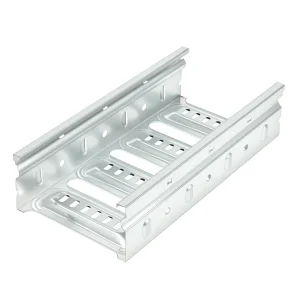
Deployment: Heavy-duty NEMA 20C hot-dip galvanized steel ladder trays (150mm side height, 6.0m span) carrying 33kV high-voltage supply cables. Reinforced I-beam side rails guarantee zero structural sag while slotted rungs facilitate heavy-duty stainless steel cable cleating.

2. Queensland LNG & Hydrogen Corridors

Region: Gladstone, Curtis Island, Bowen Basin gas fields.

Operating Demands: Coastal marine air combined with chemical sulfur dioxide and volatile organic fumes in explosion-rated hazardous zones.

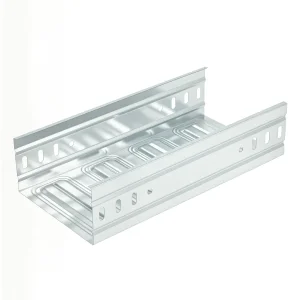
Deployment: Marine-grade aluminium alloy 6063-T6 molded and ladder containment systems. Lightweight characteristics reduce dynamic pipe-rack superstructure load while self-healing aluminium oxide films eliminate rust development, slashing long-term maintenance shutdown costs.

3. Hyperscale Data Centers & Urban Transit

Region: Sydney (Western Sydney Data Corridor), Melbourne, Brisbane CBDs.

Operating Demands: High volume fiber-optic and power separation, strict aesthetic architectural compliance, zero zinc-whisker generation, and AS/NZS 3013 fire emergency reliability.

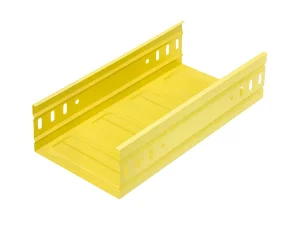
Deployment: Molded heavy-duty cable trays finished with high-adhesion electrostatic powder coatings (RAL 7035 Grey, RAL 5015 Blue, RAL 9005 Black) paired with 41-series strut channel and seismic brackets to satisfy AS 1170.4 structural seismic criteria.

Factory Catalog

Comprehensive Heavy Duty Series Product Portfolio

Explore our complete manufacturing inventory of heavy-duty molded trays, reinforced ladders, and architectural powder-coated finishes available for Australian and worldwide procurement.

Procurement & Engineering Q&A

Frequently Asked Questions by Australian Project Engineers

Authoritative technical guidance covering Australian standards, custom manufacturing lead times, testing protocols, and import compliance.

How do Shanghai Qiongkai's Heavy Duty Series trays conform to AS/NZS 3000 and AS/NZS 3013?

Our heavy-duty cable ladders and molded channels are manufactured to conform strictly to AS/NZS 3000 (Wiring Rules) regarding mechanical support, edge deburring (preventing cable sheath lacerations), and continuous electrical bonding. For fire-rated applications governed by AS/NZS 3013, we utilize minimum 1.6mm–2.0mm gauge structural carbon steel or 316L stainless steel combined with high-tensile steel fasteners. When tested, our systems maintain structural circuit integrity under standard fire curves up to 1,050°C for 2 hours, ensuring emergency life-safety systems, fire dampers, and egress ventilation remain fully operational during emergency scenarios.

What is the difference between Hot-Dip Galvanizing (HDG) to AS/NZS 4680 versus ISO 1461?

Both AS/NZS 4680 and ISO 1461 govern the hot-dip galvanizing of fabricated steel articles. However, Australian mining specifications frequently demand tighter average coating mass criteria due to high regional ground salinity and solar UV degradation. Shanghai Qiongkai guarantees compliance with AS/NZS 4680 Table 1 and Table 2 requirements: for structural steel thickness ≥6mm, we provide local minimum coating thickness of 85 μm and average coating thickness exceeding 100 μm. For steel sheets between 1.5mm and 3.0mm, our controlled hot-dip galvanizing bath delivers an average coating thickness exceeding 65–75 μm, complete with magnetic thickness gauge test reports in each shipping batch.

How does Qiongkai calculate deflection ratios across extended 4m to 6m spans (NEMA 20B / 20C)?

Our engineering design team uses finite element analysis (FEA) calibrated against NEMA VE-1 physical destructive destruction benchmarks. Under a certified test load of 150 kg/m over a 6-meter span (Class 20C), our heavy-duty roll-formed continuous side rail profiles limit center-span vertical deflection to less than L/200 (under 30mm) or L/360 for high-rigidity specifications. We provide complete load-deflection graphs, bending moment capacities, and structural cross-sectional modulus documentation for consultant approval prior to volume rolling.

Can Qiongkai manufacture custom widths, side heights, and non-standard fittings for mine expansions?

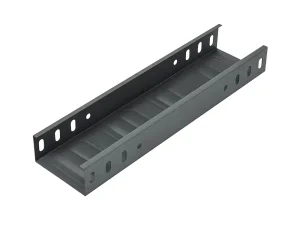
Yes. With 12 dedicated assembly lines and flexible automated stamping dies, we routinely fabricate custom widths (from 50mm up to 1,200mm) and custom side heights (50mm, 75mm, 100mm, 150mm, and 200mm). We engineer matching fittings including horizontal elbows, internal/external vertical risers, tees, crosses, and reducers configured to specific radiuses (300mm, 450mm, 600mm, or 900mm) matching large power cable minimum bend radii.

What documentation is provided with shipments destined for Australian ports?

Every commercial export order includes a full Quality Assurance Package: 1) Certified Mill Test Certificates (MTC to EN 10204 3.1) showing chemical composition and tensile mechanical properties; 2) Hot-Dip Galvanizing Coating Thickness Inspection Reports; 3) Salt-Spray Corrosion Test Data; 4) Dimensional Inspection Records; and 5) Detailed container packing manifests with piece-marked tagging corresponding directly to project GA installation drawings.

Ready to Engineer Your Australian Infrastructure Project?

Connect directly with Shanghai Qiongkai Industry's senior engineering team. Submit your Bill of Quantities (BOQ), layout drawings, or custom structural specifications for a comprehensive technical evaluation and factory-direct price quotation.

Send Inquiry Now — Direct to Engineering Team