
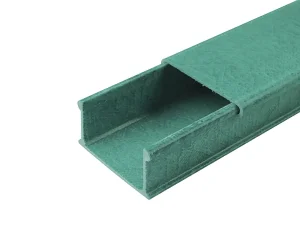
High-Velocity Infrastructure Stock
Featured Cable Trunking & Tray Solutions for Toronto Sites
Direct factory-manufactured containment products calibrated for rapid mechanical deployment across Southern Ontario commercial developments and industrial retrofit projects.
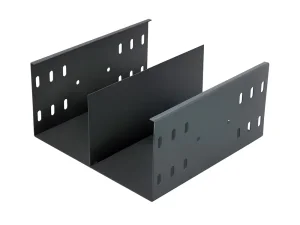
GTA Data Center Black Powder-Coated Cable Trunking with Split Plate
Buy Pre Galvanized Powder Coating Cable Trunking With Split Plate - Black Coating Manufacturers, Supplier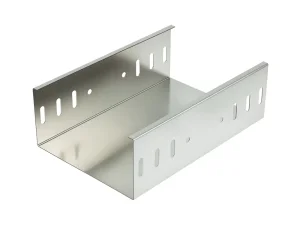
Sanitary & Coastal Perforated Stainless Steel 304/316 Cable Tray
Buy Stainless Cable Tray With Perforation Supplier, Factories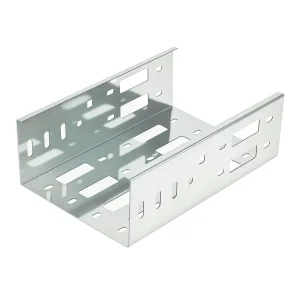
Commercial Fit-Out Custom Dimension Pre-Galvanized Cable Trunking
Wholesale Custom Size Pre Galvanized Perforated Cable Tray Factory, Price
Regional Market Intelligence
Toronto's Industrial Renaissance & Containment Demand
The Greater Toronto Area (GTA) represents Canada's densest concentration of capital-intensive construction projects, driving stringent structural engineering specifications for wireways and electrical enclosures.
Rapid Transit & Subway Megaprojects
Metrolinx transit expansions, including the CAD $11B+ Ontario Line, Scarborough Subway Extension, and the Hazel McCallion LRT line, require low-smoke, zero-halogen, non-flammable cable containment systems compliant with NFPA 130 and CSA guidelines for underground passenger corridors.
Hyperscale Cloud Corridors (Vaughan & Markham)
With global tech giants establishing multi-megawatt data hubs across Markham, Vaughan, and Brampton, electrical contractors face acute demand for overhead wireways that maintain high structural rigidity under high-density fiber and power cable loadings without electromagnetic interference.
Automotive Re-Tooling & EV Transition
Southern Ontario's industrial spine (Oshawa, Oakville, and Windsor) is shifting toward battery gigafactories and electric vehicle assembly lines. These demanding environments mandate heavy-duty hot-dip galvanized trunking resistant to metal particulates, oils, and continuous robotic vibration.
CAD $60B+
GTA Active Transit & Infrastructure Pipeline
CSA C22.2
Ontario Electrical Safety Code (OESC) Baseline
-40°C to +45°C
Thermal Operating Tolerance Required in Ontario
45%
Hyperscale Data Capacity Growth Year-over-Year
International Standards Engineering
Navigating Global Standards: NEMA, IEC & CSA Harmonization
In today's interconnected engineering procurement world, multinational EPCs executing projects in Ontario encounter mixed design requirements originating from North American (NEMA VE-1 / CSA C22.2 No. 126.1) and European/International (IEC 61537) engineering standards.
Qiongkai manufactures cable trunking systems utilizing certified automated roll-forming equipment that accommodates metric and imperial cross-sections seamlessly. Our engineering department verifies safe working loads (SWL), deflection ratios under maximum dynamic stress (span L/200 criteria), and electrical ground bonding continuity, ensuring smooth approval by the Electrical Safety Authority (ESA) in Ontario.
Engineering Integrity Checklist for Ontario Submittals
- Structural Load Testing: Continuous load factor validation under CSA Class C load rating (97 kg/m across 3.0 m spans).
- Grounding & Bonding Continuity: Built-in copper bonding jumper compatibility and low resistance joint splices.
- Atmospheric Corrosion Resilience: ASTM A123 hot-dip zinc coating delivering 65-85 μm thickness for de-icing salt mist resistance.
- Precision Pre-Punched Knockouts: Clean CNC punching avoiding on-site burrs, reducing field installation hours by 30%.
Direct-From-Manufacturer Economics
Scale, Precision & Agility: The Modern Factory Advantage
Why Canadian electrical distributors and mechanical contractors are partnering directly with high-capacity manufacturing centers to beat local supply chain bottlenecks.
12 Continuous High-Speed Production Lines
Equipped with 60+ heavy-duty punch presses, multi-stage automated cold roll-forming units, and robotic bending cells capable of fabricating over 1,500 metric tons of steel and aluminum trunking per month, eliminating production queues.
In-House Coating & Surface Metallurgy
Integrated hot-dip galvanizing kettles and automated electrostatic powder coating lines permit direct control over micron thickness, bonding strength, and anti-peeling warranties, meeting ASTM B117 1000-hour salt spray test protocols.
Optimized Sea Freight Nesting & Packaging
Every cable trunking system is engineered with stackable, nesting profiles that maximize 40-foot HQ container volumetric utilization. Direct intermodal routing into the Port of Montreal or Vancouver with CN Rail transfer straight into the Brampton Intermodal Terminal.
Local Application Matrix
Targeted Installation Scenarios Across Southern Ontario
Tailoring materials, gauge thickness, and closure mechanics to the specific mechanical hazards of Ontario project locations.
Downtown Toronto Financial Core Commercial High-Rises
In office towers on Bay Street, Front Street, and King Street West, ceiling voids are dense and space is at a premium. Pre-galvanized flush-lid trunking with turn-buckle quick-release fasteners allows rapid horizontal feeder routing through risers and false ceilings without requiring complex hot-work permits.
Recommended: PG Steel • 1.2mm - 2.0mm ThicknessMississauga & Oakville Pharmaceutical & Cleanroom Facilities
Along the Highway 401/403 Life Sciences corridor, bio-manufacturing and pharmaceutical cleanrooms undergo frequent chemical sanitation with aggressive foaming washdown agents. Non-perforated Stainless Steel 316 trunking with sloped shedding covers prevents microbial accumulation.
Recommended: Grade 316 Stainless Steel • Mirror / Satin 2B FinishTTC Subway Tunnels & Open Elevated LRT Tracks
Subway tunnels in Toronto face severe brake dust exposure, moisture infiltration, and stray direct currents. Pultruded fiberglass (FRP) cable trunking eliminates galvanic corrosion and provides absolute dielectric insulation, preventing electrical arcing hazards entirely.
Recommended: Isophthalic Polyester / Vinyl Ester FRP PultrusionAutomotive Stamping & Heavy Industrial Plants
From Oshawa assembly complexes to Hamilton steel works, industrial raceways are vulnerable to mechanical impact from overhead forklifts and cranes. Heavy-duty 2.5mm hot-dip galvanized trunking with flanged joints ensures that heavy motor control power feeds remain securely shielded.
Recommended: HDG Post-Fabrication (ASTM A123) • Heavy-Duty Flange
Engineering Evaluation Data
Material Performance & Finish Selection Matrix
Comparative engineering metrics to guide project consultants and electrical estimators through value engineering without compromising life-cycle safety.
| Material / Treatment | Yield Strength | Corrosion Class (ISO 12944) | Dielectric Strength | Ideal Toronto Job Site Environment |
|---|---|---|---|---|
| Pre-Galvanized (PG) Carbon Steel | 250 - 320 MPa | C1 - C2 (Dry Indoor) | Conductive (Continuous Ground) | Commercial office towers, dry ceiling plenums, electrical closets. |
| Hot-Dip Galvanized (HDG) Steel | 280 - 350 MPa | C3 - C4 (Industrial / Outdoor) | Conductive (Jumper Required) | Exposed parking structures, external rooftop HVAC feeds, water treatment plants. |
| Stainless Steel 304 / 316 | 205 - 520 MPa | C4 - C5-M (Marine & Chemical) | Conductive (Bonding Integrated) | Food and beverage packaging, sterile pharma corridors, chemical wash zones. |
| Fiberglass Reinforced Polymer (FRP) | 140 - 200 MPa (Flexural) | C5-X (Exceptional Chemical) | Non-Conductive (Zero Spark) | TTC transit tunnels, de-icing salt exposure zones, wastewater aeration galleries. |
| Powder-Coated over PG / HDG | Substrate Dependent | C2 - C3+ (Aesthetic / Segregation) | Surface Insulated | Mission critical data halls (Vaughan/Markham), power-telecom circuit segregation. |
Future Construction Engineering
Emerging Trends Shaping Cable Containment
How modern prefabrication, digital modeling, and safety innovations are transforming mechanical and electrical installations across North America.
BIM Integration & Digital Twin Detailing
Modern Canadian general contractors mandate Revit/BIM LOD 400 components. Qiongkai supplies parameterized 3D digital trunking families with exact center-hung weight offsets and fitting bend radii to prevent clash errors in multi-trade corridors prior to container dispatch.
Tool-Free Snap-On Splice Coupling
With union electrician hourly rates continuing to rise across Ontario Local 353 jurisdictions, trunking bodies incorporating integrated spring-clamp splices and boltless drop-in partition dividers achieve over 40% reduction in installation man-hours.
Full RFI/EMI Shielding Attenuation
As 5G automation and variable frequency drives (VFDs) proliferate in industrial facilities, solid-bottom continuous trunking systems with seamless overlapping covers provide superior magnetic shielding compared to open basket trays.
Strategic Supply Chain Framework
Global Sourcing Guide for Canadian Procurement Teams
A reliable blueprint for electrical project managers balancing cost-reduction imperatives with on-time delivery mandates.
Securing Budgetary Integrity Without Supply Risk
Sourcing large-scale cable trunking directly from China allows Toronto mechanical-electrical distributors and GC estimators to unlock 25% to 40% savings on materials compared to traditional local stockists. However, success depends on an ironclad execution protocol:
- Batch Mill Test Certifications (MTCs): Verify mechanical properties, zinc layer grammage, and chemistry compliance with ASTM A653 or EN 10204 3.1 standards.
- Port Diversification: Shanghai origin vessels offering rapid transit to Montreal or Vancouver, seamlessly connecting to Canadian Pacific (CP) or Canadian National (CN) rail hubs in the GTA.
- Staged Site Deliveries: Containerized staging schedules aligned with phased construction milestones, eliminating costly off-site warehousing rentals in Peel or York region.
Typical Supply Chain Lead Time Breakdown to Toronto
Engineering Review & Shop Drawing Approval
3 - 5 Days
High-Volume Factory Production (1-3 Containers)
12 - 18 Days
Ocean Transit (Shanghai to Canadian Port)
18 - 22 Days
Rail Intermodal & Final GTA Site Drop
4 - 6 Days
Pro-Tip: Consolidating trunking lengths with strut channel systems and conduit hangers in unified container configurations minimizes LCL break-bulk costs.
Full Factory Production Matrix
Comprehensive Cable Trunking & Tray Catalog for Contractors
Heavy-duty wireways, perforated containment, and non-metallic fiberglass profiles available with customizable length, width, and side-rail profiles.
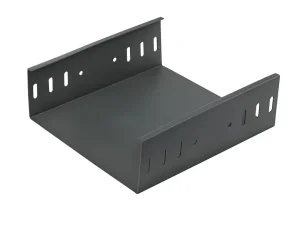
High-Durability Powder-Coated Perforated Cable Tray for Data Halls
Wholesale Pre Galvanized Powder Coating Cable Tray Factory, Price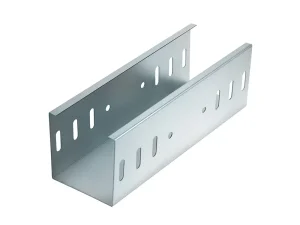
Standard Commercial Pre-Galvanized Steel Cable Trunking System
Wholesale Pre Galvanized Cable Trunking Manufacturer, Factories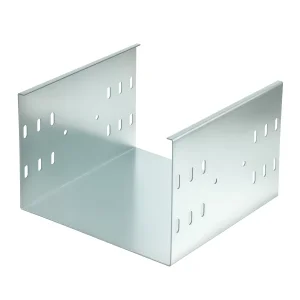
Heavy-Duty QiongKai Pre-Galvanized Enclosed Cable Trunking
Wholesale QiongKai Pre Galvanized Cable Trunking Manufacturers, Price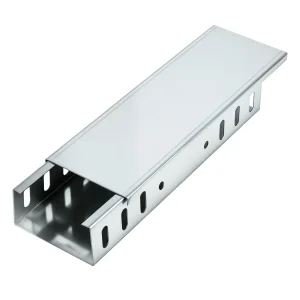
Modular Branch Line Pre-Galvanized Cable Trunking 100×50 mm
Wholesale Pre-Galvanized Cable Trunking 100*50 Manufacturer, Manufacturers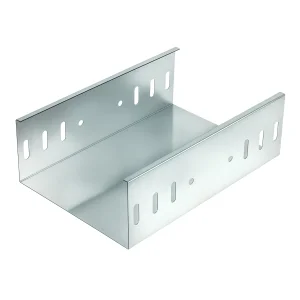
Engineered Custom Cross-Section Pre-Galvanized Cable Trunking
Buy Custom Size Pre Galvanized Cable Trunking Manufacturer, Factories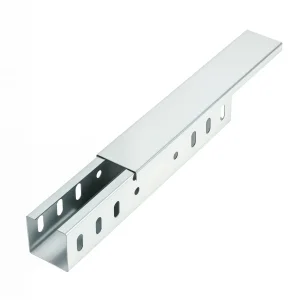
Integrated Pre-Galvanized Cable Trunking Raceway Series & Fittings
Wholesale Pre Galvanized Cable Trunking Series Manufacturer, Supplier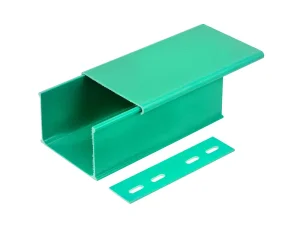
Corrosion-Proof Heavy-Duty FRP Industrial Cable Tray 100mm Height
Wholesale FRP Cable Tray 100mm Manufacturers, Supplier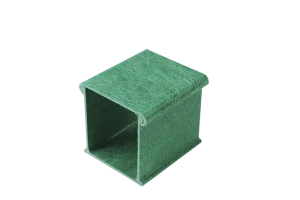
Continuous Solid Bottom Non-Metallic FRP Through Cable Tray 50mm
Wholesale FRP Through cable tray 50mm Supplier, Suppliers
Technical Clarifications
Frequently Asked Questions: Toronto Engineering & Sourcing
Clear, technically verified answers regarding building codes, load classifications, metallurgy, and delivery to Canadian construction sites.
Does your cable trunking comply with the Ontario Electrical Safety Code (OESC) and CSA standards?
Yes. Our cable trunking, wireways, and containment channels are engineered to comply with CSA C22.2 No. 126.1-17 (Metal Cable Tray Systems) and CSA C22.2 No. 26 (Wireways, Auxiliary Gutters, and Associated Fittings). Products meet the testing criteria established by NEMA VE-1 and are accepted across commercial and industrial job sites operating under Ontario Electrical Safety Authority (ESA) jurisdiction.
How does hot-dip galvanized trunking resist the harsh Toronto winter climate?
Toronto experiences extreme freeze-thaw cycles combined with high exposure to aerosolized de-icing calcium chloride and rock salts across transit lines and underground garages. Our hot-dip galvanized trunking adheres to ASTM A123 / ISO 1461, delivering an average zinc coating thickness of 65 to 85 microns. This forms an alloyed metallurgical zinc-iron layer that provides both a physical moisture barrier and sacrificial galvanic protection.
What is the recommended maximum cable fill ratio for enclosed wireway trunking?
Under Canadian electrical design guidelines (CEC Part I / OESC Rule 12-2010), enclosed metallic wireways and cable trunking used for circuit conductors should not exceed a maximum fill ratio of 20% of the interior cross-sectional area of the wireway where multiple conductors are carried. For control and signal cables or open-top ventilated channels, higher fill ratios may be permissible subject to thermal de-rating calculations.
Can Qiongkai manufacture custom trunking profiles, knockouts, and multi-compartment dividers?
Yes. With our CNC laser cutting tables and fully programmable automated bending equipment, we routinely manufacture non-standard widths (e.g., 75mm, 150mm, 225mm, 350mm, 450mm), custom side heights up to 250mm, specialized factory-cut concentric knockout patterns (1/2" to 2" trade sizes), and continuous fixed or removable split plates to physically separate 600V power feeds from low-voltage communication cabling.
What documentation is supplied with container shipments entering Canada?
Every shipment is accompanied by complete regulatory and compliance paperwork, including Mill Test Certificates (EN 10204 3.1) confirming chemical and mechanical properties of the steel/resin, Coating Thickness Verification Reports, Inspection Test Plans (ITP), Commercial Invoices with correct HS Code classifications for expedited Canada Border Services Agency (CBSA) customs clearance, Packing Lists with container weight breakdowns, and Bills of Lading.
How are containers protected against moisture damage during long ocean transits?
Pre-galvanized and carbon steel trunking products are susceptible to white rust (zinc hydroxide formation) if exposed to trapped condensation during marine transit. We mitigate this through automated shrink-wrapping, insertion of high-absorption industrial container desiccants (calcium chloride packs), fumigated hardwood timber blocking, and rust-inhibiting VCI (Vapor Corrosion Inhibitor) inter-leaf paper across all stacked bundles.
Accelerate Your Toronto Cable Routing Specification
Send our engineering team your Bill of Quantities (BOQ), tender drawings, or custom cross-section requirements for an immediate factory-direct proposal and certified CAD submittal package.
Send Inquiry Now