
High-Performance Cable Routing Systems
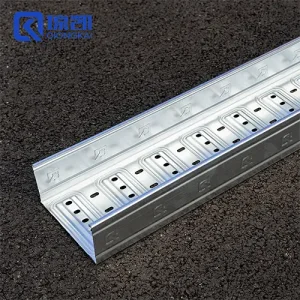
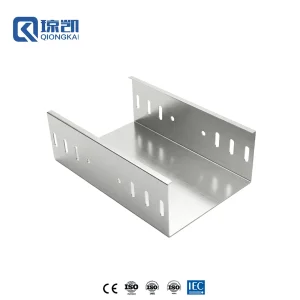
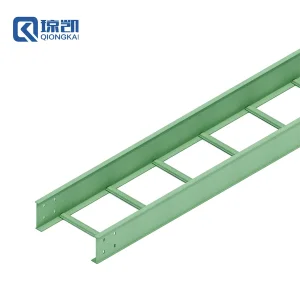
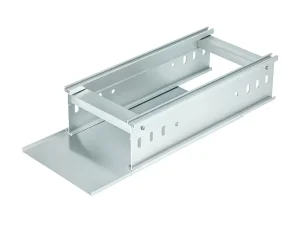
Engineered to international mechanical and corrosion standards. Explore our core industrial-grade heavy-duty ladder, perforated, and trunking solutions delivered directly from our Shanghai manufacturing bases.
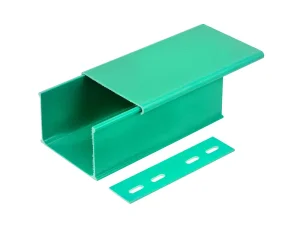
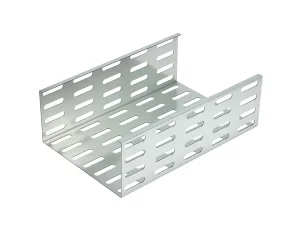
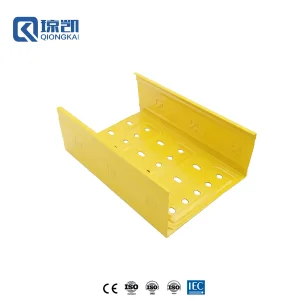
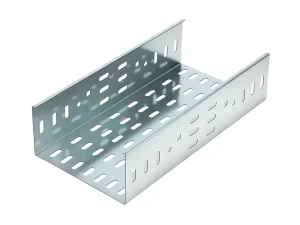
Macro Industry Landscape: The Composite Transition
Across the international engineering, procurement, and construction (EPC) sectors, modern electrical infrastructure is undergoing a decisive paradigm shift. Traditional metallic cable tray systems—such as hot-dip galvanized (HDG) carbon steel and entry-grade stainless steels—are increasingly exhibiting performance and lifecycle limitations in aggressively corrosive, saline, acidic, and electromagnetically delicate operational contexts. Glass Reinforced Polymer (GRP), commonly designated interchangeably with Glass Reinforced Plastic or Fiber-Reinforced Polymer (FRP), has emerged as the definitive structural alternative for mission-critical cable routing.
Lifecycle Cost Economics (CAPEX vs OPEX)
While initial acquisition capital expenditure (CAPEX) for composite trays can sit on parity with premium HDG steel, their total operational cost (OPEX) over a 25-to-40-year design life is vastly superior. Metallic trays demand cyclical sandblasting, recoating, passive galvanic isolation inspections, and frequent hardware changeouts when exposed to marine salt spray or sulfurous fumes. GRP eliminates rust, repainting, and cathodic maintenance altogether.
- Zero ongoing passivation or paint recoating costs
- Significant labor reduction during elevated site installation
- Elimination of expensive facility shutdowns for tray renewal
Electrical Safety & Dielectric Integrity
In high-voltage substations, battery energy storage facilities (BESS), and rail electrification networks, metallic trays present inherent electrical conduction hazards, stray-current galvanic corrosion risks, and mandatory earthing bonded loops. GRP provides exceptional dielectric strength (typically >12 kV/mm), eradicating eddy-current overheating, short-circuit shock transfers, and mandatory earthing across intermediate spans.
- Elimination of dangerous touch potentials
- Complete immunity to inductive magnetic heating
- Inherent non-conductive and spark-free physical property
Weight-to-Strength Ratio & Logistics
Weighing roughly one-third (approximately 35%) of equivalent heavy-duty structural steel trays, GRP ladder and channel systems drastically decrease dead load on overhead racks, structural pipe bridges, and floating offshore hulls (FPSO). This weight efficiency slashes shipping logistics expenditures, eliminates the requirement for heavy cranes during installation, and accelerates field mounting productivity.
- 60-70% total weight reduction versus carbon steel
- Rapid modular field drilling and cutting without thermal spark hazards
- Lower seismic dead load on dynamic supporting framing
Resin Matrix Metallurgy: Engineering the Core
The structural longevity and environmental immunity of a GRP cable tray depend decisively on the chemical resin foundation combined with reinforcing fiber architecture. As a premier manufacturer, Qiongkai custom-formulates resin recipes to match exact EPC project constraints under NEMA FG-1, ASTM, and IEC standards.
Isophthalic Polyester (ISO)
The global benchmark for industrial applications requiring well-rounded mechanical performance, moderate chemical resistance, and standard flammability mitigation. Ideal for industrial manufacturing, commercial utility, and inland wastewater handling.
- Operating temp: -40°C to +105°C
- ASTM E84 Class 1 Flame Spread < 25
- Optimized cost-to-performance profile
Vinyl Ester Resin (VER)
Specially synthesized for ultra-aggressive chemical attack environments including chlorine bleaching lines, sulfuric acid vapor atmospheres, marine splash zones, and offshore oil and gas processing facilities where acids and alkalis abound.
- Extreme resistance to acids & solvents
- Superior dynamic impact endurance
- Operating temp resilience up to +125°C
Zero-Halogen Phenolic (PHN)
Essential for enclosed subterranean infrastructure, subways, passenger rail terminals, and mining shafts. Phenolic profiles release near-zero toxic gas emissions and negligible smoke during sustained structural flame contact.
- BS 6853 & EN 45545 compliance
- Ultra-low optical smoke density
- High-temperature integrity up to +180°C
UV & Surfacing Veils
Every profile produced on Qiongkai’s continuous pultrusion lines integrates an outer synthetic surfacing veil (polyester or acrylic). This forms a 100% resin-rich protective barrier against fiber blooming, glass strand leaching, and UV radiation.
- Resin-rich protective barrier (0.2–0.3mm)
- Halts outdoor fiber fraying / blooming
- ASTM G154 accelerated UV resistance
Material Matrix: GRP vs Conventional Metallics
Quantitative side-by-side engineering evaluation for design engineers specifying structural cable management systems for aggressive and industrial environments.
| Performance Characteristic | GRP / FRP (Pultruded Vinyl Ester) | Hot-Dip Galvanized Steel (HDG) | Stainless Steel (SS316 / 316L) | Extruded Aluminum (6063-T6) |
|---|---|---|---|---|
| Specific Density (g/cm³) | 1.8 – 2.0 Ultralight | 7.85 Heavy | 7.98 Heavy | 2.70 Moderate |
| Tensile Strength (MPa) | 280 – 350 (Longitudinal) | 370 – 420 | 520 – 620 | 190 – 240 |
| Marine Salt Spray Resistance (ISO 9227) | Immune (>30 Years Unaltered) | Zinc Depletion (3–8 Years) | High (Susceptible to Pitting) | Moderate (Pitting in Chlorides) |
| Acid & Alkali Resistance (pH 2–12) | Exceptional (Resin Optimized) | Destructive Chemical Attack | Moderate to Poor (Pitting) | Extremely Poor |
| Dielectric / Electrical Insulation | Non-Conductive (15–20 kV/mm) | Highly Conductive | Highly Conductive | Highly Conductive |
| Spark Hazard During Field Cutting | Zero (Cold Carbide/Diamond Blade) | High Thermal Spark Risk | High Thermal Spark Risk | Moderate Spark Risk |
| Magnetic Interference / Eddy Currents | Completely Transparent | Susceptible to Hysteresis Loss | Low Susceptibility | Eddy Current Generation |
| Thermal Conductivity (W/m·K) | 0.3 – 0.4 Insulative | 50.0 | 16.3 | 200.0 |
| Maintenance & Repainting Needs | Zero Throughout Lifecycle | Cyclic Patching & Touch-Up | Occasional Chemical Passivation | Surface Anodize Wear Touch-Up |
| Typical Projected Service Lifespan | 35 – 50 Years | 10 – 15 Years (Industrial Coastal) | 20 – 30 Years (Non-Acidic) | 12 – 18 Years |
Macro Industry Solutions & Field Applications
Qiongkai GRP and composite containment platforms are deployed across critical infrastructure sectors worldwide where performance failure is not an option.
Offshore Oil & Gas Platforms / LNG
Marine environments feature constant chloride humidity, salt crustation, hydrocarbon mists, and severe wave vibrations. Qiongkai supplied specialized custom profiled GRP sections for major LNG operations in Qatar and harsh Gulf marine modules. Pultruded vinyl ester ladder trays withstand severe saltwater spray while isolating power cables from hull dynamic stress.
- Hydrocarbon and hydrogen sulfide (H₂S) immunity
- Dramatically reduces topside vessel dead-weight
- Spark-free cold field-cutting preserves active platform permits
Desalination Plants & Seawater Intakes
Thermal multi-stage flash (MSF) and reverse osmosis (RO) desalination plants create hyper-saline brine aerosols and elevated relative humidity that can destroy standard galvanized channels within 24 to 36 months. GRP ladder and solid trough systems maintain complete structural integrity along high-pressure pump corridors, chemical dosing skids, and sea-intake jetties.
- Brine, chlorine dioxide, and lime slurry resistance
- High mechanical load handling for thick armored power cables
- UV-resistant top cover profiles for exposed outdoor bridges
Chemical Processing & Fertilizer Complexes
In chemical plants producing phosphoric acid, chlorine, ammonium nitrates, and caustic soda, ambient airborne acids corrode painted and zinc-coated steel immediately. Qiongkai vinyl ester GRP trays ensure unbroken instrumentation control signal and medium-voltage power distribution routing without continuous protective repainting or unexpected structural collapse.
- Continuous operating resistance to acidic vapors
- Zero structural softening or micro-delamination
- Custom perforated trough walls facilitate optimal heat dissipation
Wastewater Treatment Plants (WWTP)
Biological digesters, clarifiers, and sludge handling facilities produce immense concentrations of biogenic sulfuric acid and hydrogen sulfide (H₂S) gas. While steel fasteners and trays degrade quickly in these damp headspace conditions, GRP composite trays and non-metallic strut framing supports deliver decades of trouble-free performance.
- Resistant to microbiological microbial corrosion
- Unreactive to wet ammonia, methane, and sewer gases
- Washdown compatible with high-pressure cleaning systems
Solar Parks & Battery Energy Storage (BESS)
Modern utility-scale PV plants and BESS installations demand robust outdoor containment capable of withstanding intense UV radiation, wide temperature fluctuations, and high direct-current voltages. GRP’s dielectric isolation stops stray DC ground faults, prevents galvanic panel frame corrosion, and shields utility cabling across decades of desert or tropical sun.
- Non-conductive barriers eliminate electrical arc leaps
- High thermal dimensional stability across -40°C to +80°C
- Lightweight profiles cut field installation man-hours significantly
Tropical & High-Humidity Infrastructure
In equatorial regions like Thailand, Vietnam, and Malaysia, high heat combined with seasonal monsoon precipitation accelerates zinc depletion on standard steel trays. Qiongkai supplied heavy-duty outdoor composite systems in Thailand, ensuring long-term mechanical stability for infrastructure spanning multi-mile elevated bridges and tunnels.
- Fungus, mold, and humidity degradation immune
- High heat deflection temperatures (HDT > 200°C)
- Engineered thermal expansion splice joints absorb seasonal movement
Compliance Standards & Testing Verification
Purchasing GRP cable tray systems requires strict conformity with international structural, flammability, and load testing codes. Shanghai Qiongkai Industry enforces documented quality inspections at every stage, from pultrusion raw materials to final export dispatch.
NEMA FG-1 & IEC 61537 Verification
Every profile design undergoes load-bearing validation according to NEMA FG-1 standards for fiberglass cable tray systems and IEC 61537 cable management specifications. Our tests confirm maximum working load capacities across spans of 3.0m, 4.0m, and 6.0m with a certified 1.5x structural safety factor, guaranteeing zero catastrophic brittle failure under maximum dynamic cable weight.
- Safe working load (SWL) certified across multiple spans
- Deflection limit validation (L/200 & L/100 criteria)
- Rung-to-side-rail shear and pull-out destructive testing
Flame Retardance & Smoke Density
Safety parameters are tested via ASTM E84 Surface Burning Characteristics (Class 1, Flame Spread Index ≤ 25) and UL 94 V-0 vertical flammability standards. In fire conditions, our formulations are self-extinguishing and will not propagate fire along vertical cable risers or overhead ladder layouts.
- UL 94 V-0 self-extinguishing certification
- Zero halogen fire retardant additive systems
- Low toxicity and controlled smoke emissions
Factory Acceptance Testing (FAT) Protocol
International shipments are subjected to comprehensive in-house quality checks prior to packing. Clients and independent inspection agencies (SGS, Bureau Veritas, DNV) are supported with raw resin mill test reports, barcol hardness checks (ASTM D2583 ≥ 50), wall thickness cross-section verifications, and saltwater immersion testing.
- Third-party inspection agency authorization support
- Traceable lot numbers for resin batches & fiber spools
- Pre-shipment loading supervision and seaworthy packaging
Installation Engineering: Sizing & Thermal Expansion
Correctly installing non-metallic GRP cable containment requires engineering practices tailored specifically to composite thermal dynamics, span deflection properties, and field machining methods.
Thermal Expansion Joint Calculations
Although composites have a lower thermal expansion coefficient than aluminum, temperature swings require calculated gap spacing at intermediate splice joints. Use this engineering equation to calculate required expansion gaps:
Where:
• ΔL = Thermal Expansion Displacement (mm)
• L = Continuous Span Length between anchored points (m)
• ΔT = Max Temperature Differential (°C)
• α = Coefficient of Linear Thermal Expansion (approx. 1.8 × 10⁻⁵ m/m/°C for GRP)
For example, a 30-meter straight run with a 40°C temperature swing requires approximately 21.6mm of expansion clearance. Qiongkai supplies slotted expansion splice plates and step shoulder bolts to accommodate this dynamic movement without structural buckling.
Field Machining, Cutting & Fastener Metallurgy
Field adjustments to GRP trays are faster and safer than working with carbon or stainless steel, but proper tools and procedures must be followed on-site:
- Cutting Tools: Use diamond grit or fine-toothed tungsten carbide circular saw blades (40-60 teeth). Avoid shearing or stamping blades that can cause localized composite edge delamination.
- Edge Sealing: After field drilling or cross-cutting, seal all exposed glass fibers with a two-part polyurethane or clear vinyl ester resin sealant to prevent capillary moisture absorption.
- Fastener Metallurgy: Always secure GRP fittings, splice plates, and hold-down clamps with Grade 316 (A4-70) stainless steel bolts, or use fully pultruded composite threaded rods and FRP hex nuts in heavy acid wash areas.
- Support Locations: Position support brackets (strut channels or trapeze hangers) within 600mm of fittings (elbows, tees, crosses) and within 300mm of all splice plates to reduce joint deflection.
Technological Roadmap: The Future of GRP Infrastructure
Continuous investment in advanced polymer compounding and automated manufacturing processes drives our engineering development pipeline at Shanghai Qiongkai Industry.
Nano-Particle Composite Matrices
Our research and development team is integrating nano-silica and graphene micro-platelets into continuous pultrusion resin baths. These nano-additives enhance cross-sectional shear strength, improve Barcol surface hardness, and reduce structural weight by an additional 12% without sacrificing NEMA load ratings.
- Micro-crack propagation resistance
- Enhanced interfacial bond at fiber boundaries
- Advanced antistatic surface dissipative variations
Automated Inline Telemetry Pultrusion
New multi-cavity pultrusion lines feature real-time thermal matrix sensor arrays. Inline optical cameras monitor die temperatures, pulling forces, and fiber wet-out viscosities to keep every meter of side rail and rung within precise dimensional tolerances.
- Precise ±0.2mm dimensional control
- Zero dry-spot defects across long production runs
- Automated high-speed precision drilling and punching
Circular Economy & Bio-Resins
To support global Scope 3 carbon reduction initiatives, Qiongkai is actively engineering thermoset systems incorporating bio-derived styrene substitutes and post-industrial recycled glass rovings. This significantly cuts embodied carbon while maintaining high chemical and fire resistance.
- Lower cradle-to-gate embodied carbon footprint
- Compliant with green building and LEED frameworks
- Life cycle assessment (LCA) documentation support
Project References & Global Delivery
From airport hubs to offshore energy installations, Qiongkai supplies fully coordinated cable support, strut framing, and trunking packages designed to withstand demanding operating environments.
Qatar LNG Offshore Modules
Supplied custom profiled sections and high-load GRP cable ladder systems for offshore LNG modules operating in hyper-saline waters with ambient summer temperatures over 50°C.
- Environment: Extreme Marine / Hydrocarbon Vapor
- Scope: Heavy-Duty Ladder Trays + Strut Brackets
- Result: Zero corrosion issues reported across years of continuous operation
Shanghai Hongqiao International Airport
Manufactured and delivered corrosion-resistant CT series cable trunking systems to support critical power and avionics control cabling across terminals and utility tunnels.
- Environment: High-Traffic Transportation Facility
- Scope: Perforated Trunking + Custom Splitters
- Result: On-time delivery coordinated across complex multi-phase construction
Thailand Heavy Industrial Outdoor Facilities
Delivered high-capacity, FRP-lined steel and solid GRP composite tray networks for an industrial chemicals facility exposed to high humidity and torrential monsoon cycles.
- Environment: Tropical Monsoon / Chemical Fumes
- Scope: Deep Side Rail Trays + UV-Sealed Covers
- Result: Maintained structural stiffness without sag or UV surface degradation
Frequently Asked Questions: GRP Cable Trays
In-depth technical answers to the most common questions raised by electrical consultants, EPC estimators, and project procurement managers.
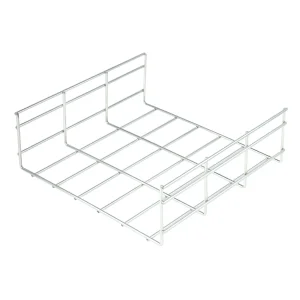
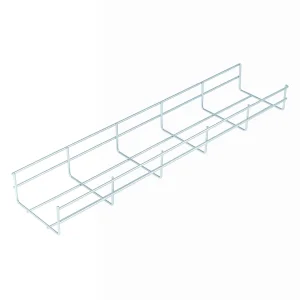
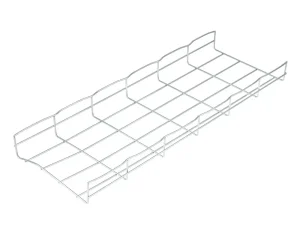
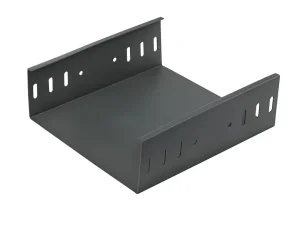
Metallic & Wire Basket Routing Solutions
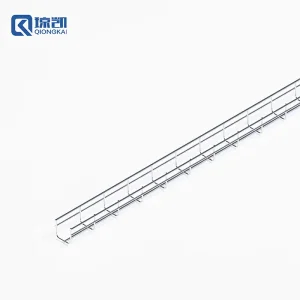
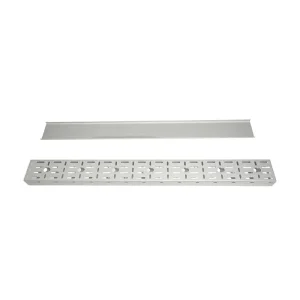
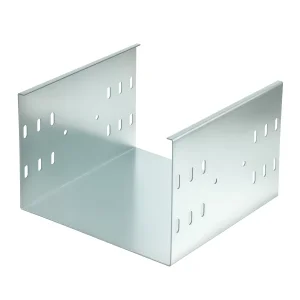
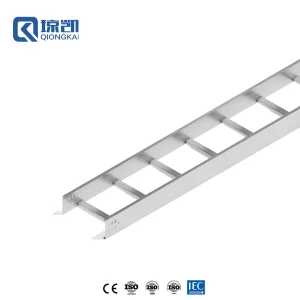
In addition to composite GRP systems, Qiongkai manufactures a full spectrum of wire mesh, hot-dip galvanized, and stainless steel systems for indoor, data hall, and commercial containment needs.
Consult Our Composite Systems Engineers
Planning an upcoming project in a challenging coastal, chemical, or heavy industrial environment? Share your bill of quantities (BOQ), cable schedules, or structural drawings with our engineering team for optimized sizing, resin matrix selection, and direct factory pricing.