
Featured Cable Tray & Structural Channel Systems
Direct factory export from Shanghai Qiongkai Industry Co., Ltd. Ready for engineering delivery worldwide.
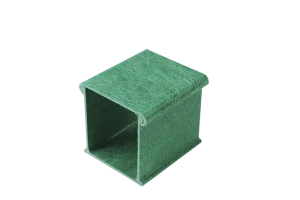
Wholesale FRP Through cable tray 50mm Supplier, Suppliers
View Product Spec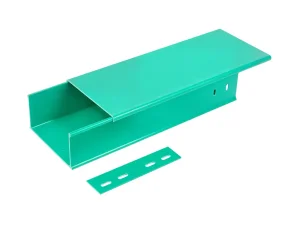
Wholesale High Strength FRP Cable Tray Suppliers, Price
View Product Spec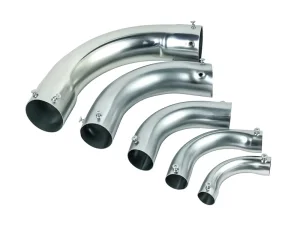
Wholesale All radius Pre galvanized cable conduit Manufacturer, Suppliers
View Product Spec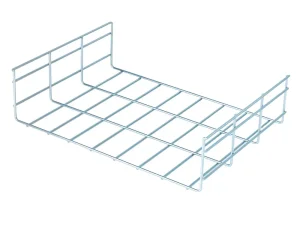
Wholesale Cod Pre Galvanized grid Cable tray 400mm Manufacturers, Suppliers
View Product Spec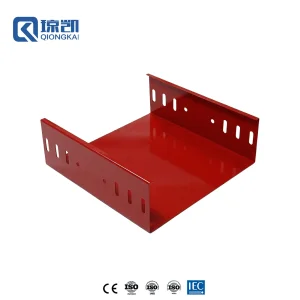
Wholesale Powder Coated PG Cable Trunking RAL3020 Red 300*100
View Product Spec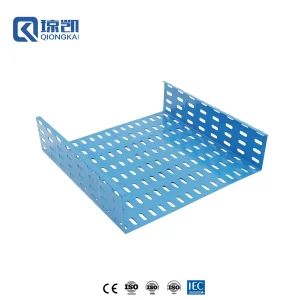
Buy PG HDG Cable Tray Reinforce Ribs RAL5015 Blue 400*100
View Product Spec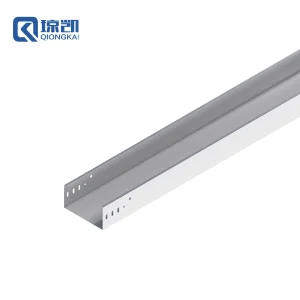
Wholesale Carbon Steel PG HDG SS Cable Trunking Channel 200*100
View Product Spec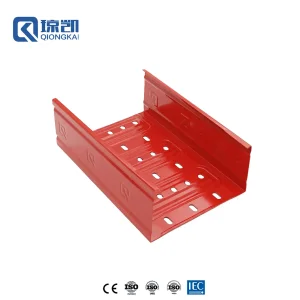
Buy Heavy Duty Reinforced Molded Pre Galvanized Tray RAL3020 200*100
View Product SpecThe Global Commercial & Industrial Landscape of Aluminium C Channels
As mega-infrastructure projects, utility-scale renewable energy installations, hyperscale data halls, and marine transit corridors accelerate globally, the demand for precision-engineered C Section Aluminium C Channels has transitioned from conventional structural trims into high-load, mission-critical architectural and electrical raceway frameworks.
Grid Electrification & Solar PV
The global push toward net-zero power generation requires massive volumes of lightweight, corrosion-proof aluminum mounting purlins and C-channels. Modern solar tracker structures and rooftop arrays utilize 6005-T5/6061-T6 structural C sections to minimize static roof deadloads while resisting hurricane-force crosswinds without continuous recoating or rust decay.
Hyperscale Data Center Infrastructure
Cloud and AI data center construction requires non-magnetic, lightweight raceways and overhead strut framing. Aluminium C channels naturally dissipate heat, exhibit zero magnetic hysteresis losses during high-amperage power delivery, and enable tool-less clip installations that accelerate mechanical and electrical trades during compressed commissioning windows.
Modular Industrial Construction
Prefabricated modular architecture across North America, Europe, and Australasia heavily specifies cold-formed and extruded C-sections. Their high strength-to-weight ratio allows crane lifting of fully wired, pre-plumbed cassette modules with minimal deflection, lowering seismic load coefficients and meeting stringent IBC / Eurocode standards.
Information Gain: Mechanical Strength vs. Deadweight Optimization
In structural engineering calculations, substituting 3.0mm structural hot-dip galvanized steel channels (approx. 2.85 kg/m) with an engineered 6063-T6 C-Section Aluminium Channel (approx. 1.05 kg/m) reduces structural self-weight by up to 63% while retaining comparable section moduli (Zx and Zy). This self-weight reduction directly downsizes building structural frame sizes, simplifies seismic bracket requirements, and cuts ocean container freight tariffs by up to 40% per linear meter shipped.
China Factory Efficiency & Shanghai Production Cluster
Operating from the industrial epicenter of Songjiang, Shanghai, Shanghai Qiongkai Industry Co., Ltd. couples continuous supply-chain verticalization with digital extrusion lines, ensuring global tier-1 EPC contractors receive unmatched dimensional fidelity, mill-certified metallurgy, and rapid multi-tonnage fulfillment.
Integrated Smelting & Die Tooling
Unlike secondary brokers who outsource profile extrusion, our Shanghai facilities maintain in-house tool and die design centers. We produce custom extrusion matrices within 7 to 10 working days, optimizing web thicknesses, return lips, serrated interior flanges, and slotted bolt patterns to bespoke engineering tolerances (EN 755-9 / ASTM B221).
Automated Surface Passivation
Our automated chemical pre-treatment and anodizing lines produce consistent architectural anodic coatings from 10µm (AA10) up to marine-grade 25µm (AA25). In addition, electrostatic horizontal powder-coating lines support Qualicoat Class 1 & 2 polyesters and fluoropolymers (PVDF) for aggressive chemical and coastal saltwater environments.
Deepwater Export Logistics Advantage
Situated in Songjiang, our plants have direct arterial access to Shanghai Port (Waigaoqiao & Yangshan Deep Water Terminal), the busiest container hub in the world. Bulk C-channel profiles are nested, interleaf-protected with non-scratch polyethylene film, and bundled with moisture-barrier wrapping, eliminating transit oxidation and handling delays.
Engineering Specification & Comparative Analysis
When specifying structural channels and cable support profiles, design engineers must weigh corrosion resistance, yield strength, thermal expansion, and electrical conductivity across different substrate materials.
| Performance Parameter | Extruded Aluminium C Channel (6063-T6) | Hot-Dip Galvanized Carbon Steel (HDG) | Stainless Steel (SS316L) | Fiberglass Reinforced Polymer (FRP) |
|---|---|---|---|---|
| Density & Deadweight | ~2.70 g/cm³ (Lightest) | ~7.85 g/cm³ (Heavy) | ~7.98 g/cm³ (Heavy) | ~1.80 - 2.00 g/cm³ (Ultra-Light) |
| Tensile Yield Strength | 215 - 245 MPa | 250 - 355 MPa | 220 - 310 MPa | 150 - 300 MPa (Anisotropic) |
| Atmospheric Corrosion Proofing | Passive Al₂O₃ oxide layer; Anodized 15-25µm | Sacrificial Zinc Coating (55-85µm) | Passive Chromium Oxide film (Cr > 17%) | Inert thermoset resin matrix |
| Marine / Coastal Chloride Resistance | Excellent (Class AA25 Anodized) | Moderate (Subject to white rust/pitting) | Superior (Resists pitting up to PREN 25) | Immune to chloride corrosion |
| Magnetic Permeability (µ) | 1.000022 (Completely Non-Magnetic) | Ferromagnetic (> 100) | 1.008 (Slightly work-hardenable) | 1.000000 (Non-Magnetic) |
| Electrical & Thermal Conductivity | High (Superior earthing & heat sink) | Moderate | Low | Electrical Insulator (Non-conductive) |
| Site Workability & Field Cutting | Effortless (No sparks, low tool wear) | Demands zinc touch-up on cut edges | Difficult (Work hardens, specialized tooling) | Requires diamond blades & dust capture |
| Recyclability & Scrap Recovery Value | 95%+ Infinite Recyclability (High Scrap Value) | Standard Steel Recyclability | High Value Alloy Recovery | Landfill / Non-biodegradable |
Alloy Selection: 6063 vs. 6005 vs. 6061
For standard architectural reveals, cable raceways, and ceiling runners, alloy 6063-T6 offers the ideal combination of sharp extrusion tolerances, smooth surface finish, and corrosion resistance. For high-span PV racking or industrial framing subjected to dynamic wind shear, 6005A-T6 or 6061-T6 delivers up to 30% higher bending yield strength.
Galvanic Corrosion Mitigation
When connecting Aluminium C Channels to structural mild steel columns or concrete embeds, electrochemical potentials must be decoupled. We supply custom EPDM isolation gaskets, nylon insulating shoulder washers, and DACROMET® or 316 stainless steel fasteners to eliminate galvanic couples in humid and coastal installations.
Precision Profile Geometries
Our standard C channel profiles feature internal return lips engineered with 45-degree inward folds. These lips accept standard spring channel nuts (strut nuts) with serrated grooves, delivering slip-resistant mechanical grip along the longitudinal axis without drilling or welding on the jobsite.
Localized Application Scenarios & Verified Case References
Across multiple continents and high-stress environments, products manufactured by Shanghai Qiongkai Industry Co., Ltd. operate under continuous mechanical load, thermal variance, and chemical attack.
Shanghai Hongqiao International Airport
Environment: Heavy civil transit hub, continuous vibration, expansive ceiling spans.
Engineering Scope: Custom CT series cable trunking and precision lightweight C-channels. Delivered seamless integration across terminal concourses, ensuring non-magnetic routing for mission-critical air traffic control telecommunication runs without electromagnetic interference.
Offshore LNG Terminal (Qatar)
Environment: Extreme Arabian Gulf desert heat (50°C+), hyper-saline ocean air, hydrogen sulfide exposure.
Engineering Scope: Custom-profiled section solutions and marine-grade FRP / anodized support channels. Maintained structural rigidity without micro-fissuring or chalking under intense ultraviolet radiation and chemical offshore flare gases.
Tropical Utility Solar Arrays (Thailand)
Environment: Monsoonal humidity, agricultural soil runoff, elevated UV exposure.
Engineering Scope: High-load FRP-lined steel and heavy-duty extruded C channels. Delivered customized clamping interfaces that expedited module string installation while preventing galvanic corrosion between thin-film solar backsheets and support purlins.
Industrial Livestock Infrastructure (Paraguay)
Environment: Concentrated ammonia vapors, bio-acid washdowns, budget-sensitive vast acreage.
Engineering Scope: Cost-optimized heavy-duty cable tray networks and modular C section runs. Replaced rapidly corroding pre-galvanized framing with targeted corrosion-resistant profiles, extending service life by over 12 years.
Industrial Infrastructure Deliveries (Italy & EU)
Environment: Strict European Union CE compliance, automated manufacturing halls.
Engineering Scope: Hot-dip galvanized and precision cold-formed C strut channels shipped containerized to Italian ports. Passed comprehensive third-party NDT weld integrity and galvanization bath thickness audits upon customs entry.
Cleanroom Pharmaceutical Modular Ceilings
Environment: Class 100 sterile cleanrooms, daily hydrogen peroxide fogging.
Engineering Scope: Clear-anodized 6063-T6 C-channel ceiling grids with flush gaskets. Enabled completely airtight containment boundaries that prevent particle accumulation and simplify high-pressure sanitization protocols.
Global B2B Procurement Strategy & Supply Chain Optimization
International EPC contractors, M&E subcontractors, and wholesale distributors face significant pricing volatility in aluminum commodities and shipping logistics. Implementing strategic mill-direct sourcing models mitigates risk and protects project gross margins.
LME / SMM Index Hedging
Raw ingot costs fluctuate based on the London Metal Exchange (LME) and Shanghai Metals Market (SMM). We offer multi-month price locks and billet hedging structures for long-lead infrastructure contracts, insulating clients against volatile currency and raw material swings.
Direct-Mill vs. Distributor
Bypassing regional stockists eliminates 18% to 35% in intermediary tier markups. By collaborating directly with our Shanghai engineering team, buyers receive mill test certificates (EN 10204 3.1 MTC), bespoke lengths up to 11.8m (container maximum), and pre-punched mounting slots.
Volumetric Nesting Logistics
Unfilled C-channels can consume excessive container cubic volume if packed inefficiently. We engineer interlocking nested bundle configurations with wooden crating and steel banding, boosting 40-foot High Cube (40HQ) container payloads from 18 tons to over 26 tons of usable structural profile.
Regulatory Certification
International imports require certified metallurgical compliance. Every shipment is accompanied by spectral chemical assays, tensile break tests, anodizing thickness eddy-current verifications, and ISO 9001:2015 quality control records tailored for rapid EU, US, and GCC customs clearance.
Technology Trajectories & Industry Innovations
The structural extrusion sector is advancing beyond basic profile stamping into intelligent manufacturing, sustainable metallurgical metallurgy, and fast-assembly modular hardware.
Decarbonized Green Aluminium
Global supply chains increasingly mandate low-carbon Scope 3 emissions compliance. Hydro-powered and renewable-smelted primary aluminum ingots produce less than 4.0 kg CO₂ per kg of aluminum (compared to traditional coal-fired averages of 12-16 kg CO₂). Qiongkai is expanding certified low-carbon billet inventories to support LEED and BREEAM Platinum certified building envelopes.
Snap-Lock Fastenerless Framing
Jobsite labor costs represent up to 55% of mechanical support installation budgets. Emerging C-channel designs incorporate micro-grooved interlocking flanges that engage spring-loaded quarter-turn locking cams without requiring spanners or threaded rod adjustments, reducing overhead ceiling assembly times by more than 40%.
AI-Monitored Automated Extrusions
Our Shanghai facilities are introducing high-speed computer-vision surface telemetry across continuous extrusion run-out tables. Real-time laser profilometers measure channel wall thicknesses, web squareness, and return lip angularity at 120 scans per second, automatically adjusting puller speed and quenching fan banks to preserve zero-defect run lengths.
Frequently Asked Questions: Technical & Procurement
Clear technical insights to assist project consultants, structural engineers, and purchasing officers prior to purchase order issuance.
What is the standard deflection limit calculation for an Aluminium C Channel?
For commercial and industrial support framing, deflection criteria typically follow L/200 for general cable containment and L/360 for architectural ceiling grids or sensitive fiber-optic raceways (where L is the unsupported span between hangers). Because the modulus of elasticity for aluminum (approx. 69–70 GPa) is one-third that of mild carbon steel (200–210 GPa), engineers must specify deeper channel cross-sections (e.g., selecting a 41×41mm or 41×62mm profile over 41×21mm) to increase moment of inertia (Ix) while maintaining low self-weight.
What is the difference between Slotted and Plain C-Section Channels?
Plain channels provide 100% continuous cross-sectional area and yield the highest bending and torsional stiffness. Slotted channels feature elongated punched holes (typically 13×30mm or 14×28mm on 50mm centers) along the back spine. This allows rapid site attachment using M10/M12 threaded rods and bolts without manual on-site drilling. Our automated CNC punching maintains edge clearances to minimize structural capacity loss (less than 8% reduction in section modulus).
How does anodizing thickness affect outdoor service life in coastal regions?
Untreated mill-finish aluminum forms a natural oxide film of approximately 0.01µm. Controlled architectural anodizing builds this barrier to 15µm (AA15 for standard urban outdoor exposures) or 25µm (AA25 marine grade for locations within 5 km of the ocean). Anodized AA25 C-channels survive 3,000+ hours in ASTM B117 neutral salt spray tests with zero pitting, flaking, or substrate degradation.
What is your Minimum Order Quantity (MOQ) and sample turnaround time?
For standard profile dies in our catalog (such as 41×21, 41×41, 41×62, and 41×82 profiles), our typical MOQ is 1,000 meters per production run. For bespoke geometries requiring a custom extrusion die, our die development charge covers tooling with a low initial minimum run of 3 metric tons. Rapid prototype sample lengths (300mm to 1000mm) can be milled, extruded, and couriered via DHL/FedEx within 7 to 10 working days.
Can you supply complete mounting accessories alongside C channels?
Yes. Shanghai Qiongkai Industry Co., Ltd. delivers turnkey, coordinated systems. In addition to C-channels, we manufacture channel nuts with and without springs, 90-degree angle brackets, flat splice plates, cantilever arms, beam clamps, seismic brace hinges, and vibration-dampening pipe clamps. Sourcing a complete, pre-tested hardware assembly eliminates compatibility issues on site.
How do you manage thermal expansion across long-run outdoor installations?
The coefficient of thermal expansion for aluminum is approximately 23 × 10⁻⁶ /°C, roughly double that of mild steel. On long outdoor installations (such as solar farms, bridges, or rooftop cable runs experiencing 50°C seasonal swings), a 6-meter profile expands roughly 6.9mm. We supply slotted expansion splice plates and slotted guide clamps that allow controlled axial slip while preventing lateral buckling.
Heavy-Duty Trays, Perforated Channels & Fittings
Certified factory manufacturing from Shanghai Qiongkai. Direct international dispatch.
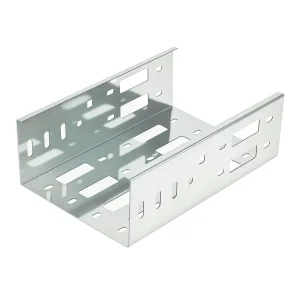
Wholesale Custom Size Pre Galvanized Perforated Cable Tray Factory, Price
View Product Spec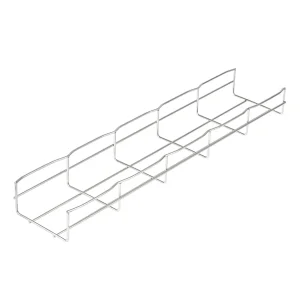
Buy Stainless grid cable tray100mm Manufacturer, Factories
View Product Spec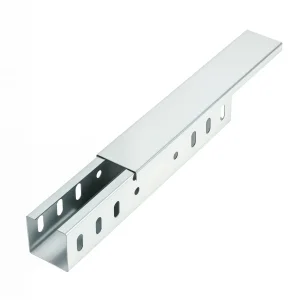
Wholesale Pre Galvanized Cable Trunking Series Manufacturer, Supplier
View Product Spec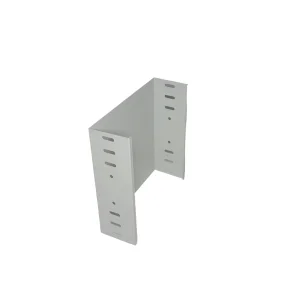
Wholesale 300*100 Powder Coated Cable Trunking Manufacturers, Supplier
View Product Spec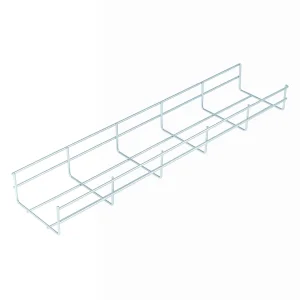
Wholesale Pre Galvanized grid Cable tray100mm50mm Suppliers, Factory
View Product Spec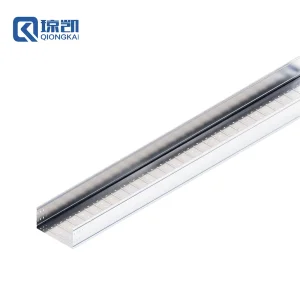
Buy Cost Saving Heavy Duty Molded Pre Galvanized Cable Tray 400*200
View Product Spec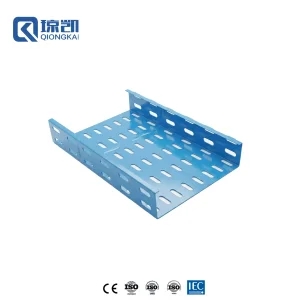
Wholesale Powder Coated PG Cable Tray Reinforce Ribs RAL5015 200*50
View Product Spec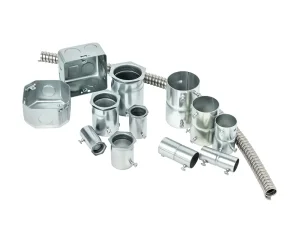
Buy Conduit Accessories & Junction Box & Box Connector Suppliers, Factory
View Product SpecEngage with Our Application Engineering Group
Review spans, custom profiles, anodizing thicknesses, and Bill of Quantities (BOQ) with our Shanghai manufacturing team.
Headquarters & Works
Shanghai Qiongkai Industry Co., Ltd.
398 Dongshe Road, Songjiang District, Shanghai, China.
Convenient access to Waigaoqiao & Yangshan Deepwater Container Ports.
Engineering Support Desk
Direct Sales: [email protected]
Technical Dept: [email protected]
Project Estimating: [email protected]
Global Hotlines
Global / WhatsApp: +86 131 2243 9322
China Mainland / WeChat: 153 1636 9996
Hours: 24/7 Technical Response & Project Quoting