
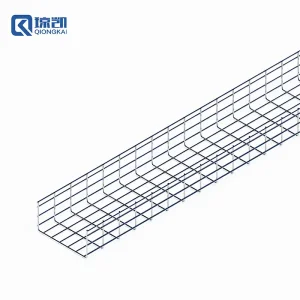
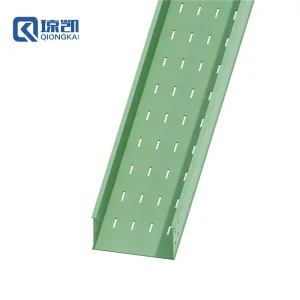
PG / HDG 400×150
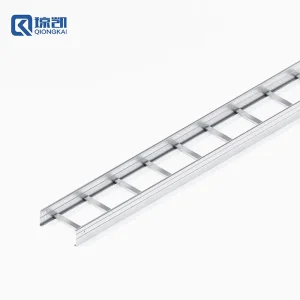
Manufactured on high-speed continuous roll-forming lines under strict NEMA VE 1 and IEC 61537 protocols. Explore our core ladder, perforated trunking, and heavy-duty structural profiles.
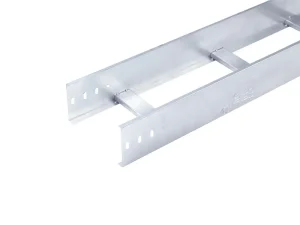
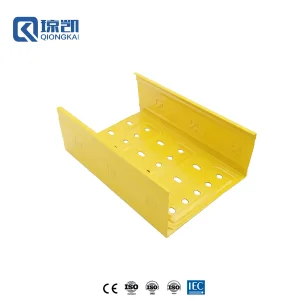
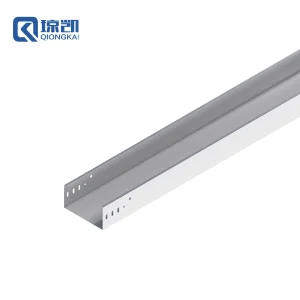
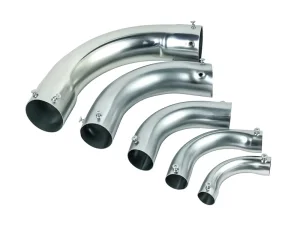
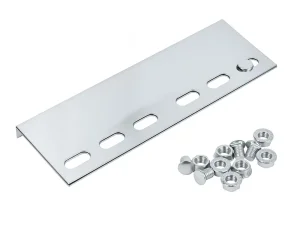
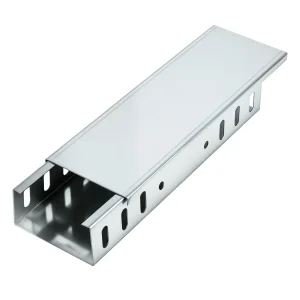
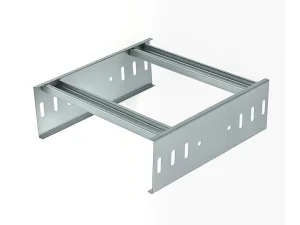
In modern industrial facilities and hyperscale data complexes, cable tray selection is not merely a geometric routing decision; it is a critical mechanical calculation governed by load-bearing safety margins, electrical continuity bonding, thermal dissipation, and dynamic vibration mitigation.
Global engineering procurement specifications mandate adherence to specific international frameworks. While NEMA VE 1 (Metal Cable Tray Systems) establishes rigorous criteria for static load classifications (Classes 8A through 20C based on span lengths and uniform working loads in lbs/ft), IEC 61537 dictates safe working load (SWL) verification across European and Commonwealth territories.
High-voltage feeder circuits and high-density DC power buses generate significant resistive heat. Solid-bottom cable trunking restricts air convection, necessitating cable conductor derating factors up to 0.70 according to NEC Article 392. By contrast, ladder-type and open-grid wire mesh trays permit unimpeded 360-degree ambient cooling.
Under seismic accelerations and dynamic wind forces on exterior petrochemical piperacks, unsprung cable tray runs experience severe lateral displacement and harmonic resonance. Our integrated strut support systems integrate 41×41 and 41×82 back-to-back channels equipped with serrated flange nuts.
Standard engineering verification computes maximum mid-span deflection utilizing Euler-Bernoulli beam theory: δ = (5 · w · L⁴) / (384 · E · I), where w is the uniform cable load per unit length, L is the support span, E is Young's Modulus of the substrate (approx. 205 GPa for carbon steel, 69 GPa for structural aluminum 6063), and I is the second moment of area of the rolled side rail. Our reinforcement rib geometries are specifically profiled to increase the moment of inertia (I) without introducing excess deadweight.
Operating from Songjiang, Shanghai, within direct trucking proximity to Yangshan Deep-Water Port and Waigaoqiao Terminals, our manufacturing infrastructure consolidates heavy metallurgical engineering, continuous roll-forming automation, and complete in-house corrosion-protection lines.
Direct bulk allocation from primary steel producers (such as Baosteel) ensures guaranteed chemical homogeneity, certified yield tensile strengths (> 350 MPa for high-tensile structural grades), and complete EN 10204 3.1 mill test report traceability. This insulates international procurement partners from global raw material price volatility.
Unlike regional workshops relying on manual sheet hydraulic press brakes, our facilities utilize 12 automated continuous cold-roll forming lines with precision in-line punching dies. Side rails, rungs, and returns maintain structural dimensional tolerances within ±0.3 mm, ensuring zero misalignment during field splice bolting.
Our ISO 1461 and ASTM A123 compliant hot-dip galvanizing kettles execute automated immersion cycles with precise temperature stabilization at 450°C. This forms a metallurgical intermetallic bond (Gamma, Delta, and Zeta Fe-Zn alloy layers capped by Eta pure zinc), providing sacrificial cathodal protection with coating thickness up to 85–100 μm.
Selecting the optimal metallurgy prevents catastrophic structural oxidation and premature project decommissioning. Review our comparative engineering guide categorized by ISO 12944 atmospheric corrosivity classifications.
| Material / Treatment | Standard Specification | Coating / Alloy Metrics | ISO 12944 Category | Typical Design Lifespan | Recommended Environments |
|---|---|---|---|---|---|
| Pre-Galvanized Steel (PG) | ASTM A653 / EN 10346 | Z275 (20 μm / 275 g/m²) | C1 – C2 (Low) | 15 – 25 Years | Commercial office towers, dry indoor HVAC ceilings, false floor plenums. |
| Electro-Galvanized (EG) | ASTM B633 / ISO 2081 | Fe/Zn 12 (12 μm deposit) | C1 (Very Low) | 10 – 15 Years | Wire mesh basket trays in climate-controlled telecom rooms & data halls. |
| Hot-Dip Galvanized (HDG) | ASTM A123 / ISO 1461 | 610 g/m² (> 85 μm thickness) | C3 – C4 (High) | 35 – 50+ Years | Rooftop photovoltaic arrays, highway tunnels, petrochemical refining plants. |
| Stainless Steel 304 (V2A) | AISI 304 / 1.4301 | 18% Cr, 8% Ni austenitic | C4 (Industrial) | 50+ Years | Food & beverage processing, breweries, dairy washdown zones, pharmaceutical. |
| Stainless Steel 316L (V4A) | AISI 316L / 1.4404 | 16–18% Cr, 10–14% Ni, 2–3% Mo | C5-M / CX (Extreme Marine) | 60+ Years | Offshore oil & gas platforms, coastal jetties, reverse-osmosis desalination. |
| Fiberglass Reinforced Polymer (FRP) | ASTM D3917 / UL 94 V-0 | Isophthalic / Vinyl Ester Resin | Chemical Severe | 40+ Years | Fertilizer manufacturing, electrolytic pickling baths, acidic battery storage. |
| Thermoset Powder Coated | Qualicoat / RAL Systems | 60 – 100 μm Hybrid Epoxy/PE | Specific Aesthetic/ID | 20 – 30 Years | Color-coded circuit zoning (yellow for fiber, red for fire safety, blue for power). |
From complex urban aviation hubs to high-salinity Arabian Gulf gas extraction projects, our cable trays and structural support systems are engineered to withstand extreme physical environments and accelerated operational cadences.
Supplied high-density, fire-rated CT-series cable trunking assemblies engineered with integrated electromagnetic interference (EMI) attenuation shielding. The solution safely routes mission-critical navigational radar feeds, automated baggage routing lines, and terminal passenger power infrastructure across expansive long-span concourses.
Delivered custom pultruded structural FRP and SS316L cable ladder systems to endure the punishing, high-salinity, high-temperature marine environments of the Persian Gulf. Trays feature self-extinguishing resin compositions and 316-grade stainless bolting hardware that resist severe chloride pitting and hydrogen sulfide attack.
Engineered electro-polished wire mesh basket trays and overhead powder-coated cable runway ladder grids for Tier IV data center facilities across Southeast Asia and Europe. Incorporates patented rounded T-weld wire edges to prevent insulation abrasion during high-speed copper and fragile high-density ribbon fiber optic installation.
Engineered a cost-optimized, heavy-duty hot-dip galvanized tray and strut framing layout for one of the largest livestock processing and automated feed installations in South America. The design accommodates high levels of ambient ammonia, constant pressurized sanitization spray washdowns, and wide temperature deltas.
Regular export deliveries of fully certified, perforated and solid HDG cable trunking channels with matching unistrut support brackets for railway traction power distribution and automated tunneling services across northern Italy. Fully compliant with European CE, Construction Products Regulation (CPR), and EN 61537 directives.
Fabricated heavy-duty FRP-lined steel composite trays combining structural carbon steel's flexural strength with high chemical resistance across outdoor elevated piperacks. Designed specifically to repel volatile organic compounds, sulfur dioxide vapor emissions, and tropical monsoon precipitation cycles.
The modern EPC procurement sector demands intelligence, environmental stewardship, and digital interoperability. Our manufacturing and engineering divisions spearhead four transformative industry trends that are reshaping project lifecycles.
We supply fully articulated, parameter-rich Revit and IFC families built to Level of Development (LOD) 400 specifications. MEP engineering teams can simulate spatial routing, clash detection against HVAC ducting, and automated Bill of Quantities (BOQ) extraction before steel cutting commences.
Committed to meeting global Scope 3 emissions targets, our factories offer low-carbon cable tray variants manufactured from Electric Arc Furnace (EAF) recycled scrap steel powered by renewable grid energy. Environmental Product Declarations (EPD) are available for LEED v4 and BREEAM certifications.
Jobsite labor constitutes upwards of 65% of electrical installation budgets. Our next-generation modular tray systems incorporate pre-punched interlocking tabs and push-fit spring-steel splice couplers that eliminate standard carriage bolts, slashing mechanical connection time by up to 45%.
Strategic B2B purchasing agents, EPC contract managers, and global electrical wholesalers navigate complex variables including tariff dynamics, maritime container cube utilization, and strict regulatory documentation. We engineer efficiency into every stage of the export journey.
Unassembled or unnested cable trays represent massive air freight volume penalties. Our engineers utilize algorithmic volumetric software to nest progressively graduated tray widths (e.g., nesting 100mm, 200mm, 300mm, and 400mm trays inside one another) alongside bundled strut channels. This increases 40-foot High Cube (40HC) container utilization by up to 35%, substantially reducing landed logistics cost per meter.
Every export consignment is paired with comprehensive Quality Dossiers: EN 10204 Type 3.1 Mill Test Reports detailing chemical composition (C, Mn, P, S, Si) and mechanical tensile yields; electromagnetic coating thickness gauge test reports (Elcometer); ASTM B117 neutral salt spray test logs; and pre-shipment photographic container loading inspection certificates.
With an in-house tooling and stamping die shop, we rapidly machine customized roller sets and punch arrays for specialized engineering profiles. Whether your specification requires non-standard side heights (e.g., 75mm, 125mm, 175mm), custom perforations for thermal instrumentation sensors, or bespoke pre-curved architectural radii, our turnaround time from 3D CAD signoff to initial prototype run is under 14 days.
Direct, technically rigorous answers covering structural load calculations, corrosion prevention, installation protocols, and international supply logistics.
NEMA VE 1 (National Electrical Manufacturers Association) is primarily enforced in North American and Middle Eastern markets, categorizing trays based on specific load classes such as 8C, 12C, 16C, or 20C (representing working loads from 50 to 100 lbs/linear foot over spans of 8, 12, 16, or 20 feet) with a mandated structural safety factor of 1.5. Mid-span deflection criteria are typically referenced against standard limits like L/200 or L/360.
IEC 61537 is the governing standard throughout Europe, the UK, Asia, and international EPC projects. It mandates non-destructive Safe Working Load (SWL) verification under specific continuous and multi-span test setups (Type I, II, or III), requiring that structural deflection during test loading does not exceed L/100 of the span, and longitudinal deflection post-unloading recovers without permanent plastic deformation. Electrical continuity requirements are strictly codified to guarantee resistance less than 50 mΩ across mechanical joint couplings without dedicated earth jumpers.
Hot-dip galvanizing operates via two distinct mechanisms: physical barrier protection and sacrificial galvanic protection. When an HDG tray is sheared, cut, or drilled on-site, the exposed steel core is in direct electrical contact with the surrounding thick zinc reservoir (typically 610 g/m² or > 85 μm thickness per ASTM A123/ISO 1461).
In the presence of atmospheric moisture, an electrolytic cell is formed. Because zinc has a significantly lower standard reduction potential (-0.76V) than iron (-0.44V), the zinc preferentially oxidizes to form zinc hydroxide and zinc hydroxycarbonate. This cathodically protects the cut iron edge across gaps up to 2.0 mm wide, preventing under-film creep. Field protocols still advise brushing freshly exposed cut edges with a 95% zinc-rich cold galvanizing compound (meeting ASTM A780) for maximum longevity.
Zinc whiskers are crystalline microscopic filaments (approx. 1–2 μm in diameter) that spontaneously erupt from electro-galvanized (EG) steel surfaces due to internal compressive stresses within the electroplated deposit. In raised floor plenums or overhead containment runs of data centers, these conductive metallic filaments can detach, enter the server air cooling stream, and settle across high-density circuit boards, resulting in devastating electrical short circuits and equipment downtime.
To mitigate this risk, mission-critical hyperscale data centers specify either hot-dip galvanized after fabrication (where stress-relieving zinc alloy layers inhibit whisker growth), powder-coated pre-galvanized finishes, or austenitic 304/316 stainless steel wire mesh basket trays, which completely eliminate any potential for zinc whisker generation.
While Stainless Steel 316L offers exceptional resistance to chlorides, it is susceptible to stress corrosion cracking (SCC) in operating environments combining elevated temperatures (> 60°C) with concentrated halides, and rapid pitting attack under hydrochloric acid (HCl) or wet chlorine vapor exposure. Furthermore, in electrical power distribution systems with severe inductive magnetic eddy currents, metallic trays can heat excessively.
Pultruded FRP trays, formulated with vinyl ester or isophthalic resins and continuous glass fiber reinforcements, are completely non-conductive, chemically inert to aggressive acids and alkalis, non-magnetic, and up to 50% lighter than equivalent structural steel. They represent the industry benchmark for chemical pickling plants, offshore marine splash zones, and battery energy storage facilities (BESS).
The flexural rigidity of a cable tray side rail is governed by its cross-sectional moment of inertia: I = ∫ y² dA. Simply increasing sheet metal thickness exponentially increases raw material consumption, deadweight, and freight cost. By introducing continuous cold-roll formed horizontal and return-lip reinforcing ribs along the side rail web, material is structurally displaced further away from the neutral bending axis.
This architectural modification increases the section modulus (Z) and moment of inertia (I) by up to 35% compared to flat-sided profiles of equal gauge thickness. The resulting cable tray achieves higher NEMA load classifications and eliminates side rail buckling under heavy single-conductor armored cable installations.
Yes. Shanghai Qiongkai Industry maintains an integrated CAD/CAM die engineering facility and 12 flexible roll-forming lines. While our core catalog spans standard metric widths (50mm to 1000mm) and imperial dimensions (2-inch to 36-inch), we routinely customize:
Standard production lead times for containerized orders (1 to 5 units of 40-foot High Cube containers) typically range between 15 to 25 calendar days following drawing approval and deposit receipt. With our close proximity to Shanghai's Yangshan and Waigaoqiao shipping terminals, customs export clearance and container vessel gating are executed within 48 to 72 hours of factory gate-out.
For urgent mega-project EPC requirements, our 3 production facilities can operate on parallel shifts, dispatching phased container shipments on a staggered weekly rotation to match the jobsite installation critical path.
Maritime ocean freight exposes metal components to severe humidity fluctuations and salt-laden air, creating condensation risks ("container rain"). Our standard export packaging protocol involves:
1. Multi-tier graduated nesting of tray profiles to lock lateral displacement. 2. Application of high-grade vapor corrosion inhibitor (VCI) shrink wrap films with industrial desiccant bags placed inside each nested bundle. 3. Reinforced heavy-gauge timber runners and galvanized corner edge protectors strapped with high-tensile polyester strapping. 4. Complete container dunnage and air-bag bracing to prevent cargo movement during heavy sea conditions.
Every commercial delivery includes an exhaustive Quality Dossier, comprising: 1. Certified EN 10204 3.1 Inspection Mill Certificates detailing coil chemistry, tensile yields, and elongation. 2. Dry Film Thickness (DFT) coating verification reports per batch using calibrated magnetic induction meters. 3. Electrical continuity bonding resistance logs. 4. Pre-shipment Dimensional Inspection Sheets (DIS) verifying widths, side heights, hole diameters, and straightness tolerances. 5. High-resolution photo verification of cargo loading and container seal lock-out.
For standard catalog sizes in Pre-Galvanized (PG) and Hot-Dip Galvanized (HDG) finishes, our typical minimum order threshold is 500 meters per line item or a combined mixed container load (minimum 20GP container). For custom tooling, specialized perforation dies, or exotic alloys (such as SS316L or custom FRP pultrusions), MOQs are calculated based on raw material batch melting runs or roller setup economics, typically commencing at 1,000 meters. Sample sections and mockups for EPC consultant approval are supplied upon request.
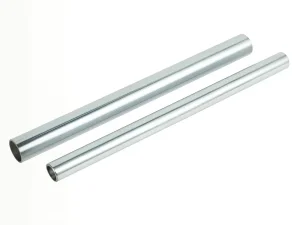
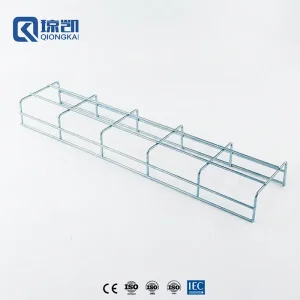
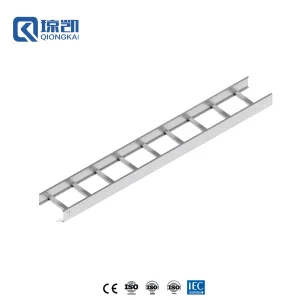
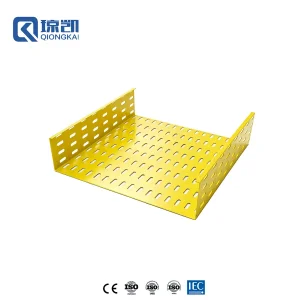
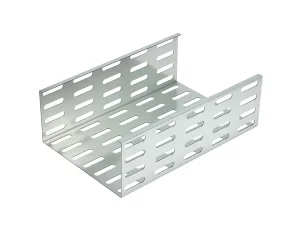
Engineered support profiles for specialized cleanroom installations, harsh offshore environments, and complex industrial routing requirements. Select your profile below for immediate quotation.
Submit your electrical layout drawings, BOQ schedules, or environmental specifications. Our engineering team reviews load spans, advises on optimal metallurgy, and returns a fully costed manufacturing proposal within 24 hours.