
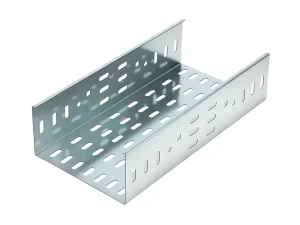
Direct OEM Distribution for Latin America
Engineered Cable Supporting Products: Heavy-Duty Perforated Series
Engineered for Brazilian commercial complexes, subways, and mining distribution hubs conforming to ABNT NBR 14039 and IEC 61537 standards with factory-direct landed cost optimization.
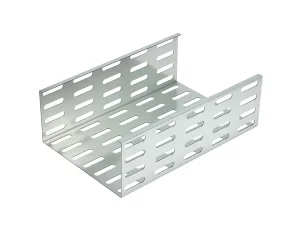
Wholesale High-Ventilation Perforated Cable Tray for Brazil Commercial Hubs
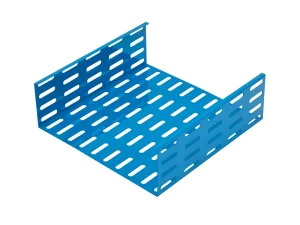
Electrostatic Powder-Coated Perforated Cable Tray for Campinas Data Halls
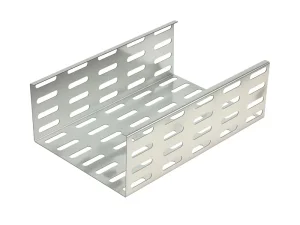
Stainless Steel Marine-Grade 200mm Cable Tray for Santos & Macaé Marine Sites
R$ 1.82B
Projected Brazil electrical cable management market size across industrial & grid infrastructure by 2029.
85-120 µm
ASTM A123 Hot-Dip Galvanizing zinc coating thickness engineered for Brazil C4/C5 tropical coastal zones.
38%
Installed cost savings achieved via precision roll-formed quick-splice tray configurations vs field welding.
35+ Years
Design lifespan rating for offshore FPSO topsides and pulp & paper acid processing lines.
Industry Macro Intelligence
Brazil Cable Supporting Commercial & Industrial Landscape
Navigating Brazil's unique electrical containment ecosystem requires a balance between stringent regulatory compliance (ABNT / NR-10), extreme climatic corrosion resilience, and structured Mercosur import logistics.
Local Commercial and Regulatory Dynamics in Brazil
Brazil's national power and industrial matrix is regulated by rigorous regulatory safety norms, principally NR-10 (Electrical Installations Safety), alongside ABNT NBR 5410 (Low-Voltage Electrical Installations) and ABNT NBR 14039 (Medium-Voltage Installations from 1.0 kV to 36.2 kV). In metropolitan areas such as São Paulo, Rio de Janeiro, and Belo Horizonte, municipal building codes require containment trays to provide verified mechanical load capacity and continuous electrical bonding to mitigate fault-current arcing risks.
Furthermore, major state-backed industrial projects and multinational EPC firms operating in Brazil (including Petrobras, Vale, and Suzano) demand engineering compliance with IEC 61537:2006 and NEMA VE 1 / NEMA VE 2. Sourcing cable support infrastructure into Brazil presents unique fiscal parameters, specifically navigating the Imposto de Importação (II), IPI, PIS, and COFINS regimes, balanced with the Ex-Tarifário regime for non-locally manufactured precision equipment. Our factory direct containerized logistics to Santos, Paranaguá, and Suape ports optimize freight cube utilization and landed unit cost.
Global Trends: Decarbonization, Modularity & Lifecycle Economics
On the international stage, cable support systems have transitioned from commodity electrical sundries to mission-critical architectural assets. The surge in hyperscale cloud facilities, renewable generation plants, and green hydrogen projects has accelerated demand for high strength-to-weight ratio profiles that reduce embodied carbon without compromising Safe Working Load (SWL).
Modern international EPC specifications prioritize three definitive engineering frontiers:
1. Lifecycle Corrosion Engineering: Calculating the Cost of Galvanic Protection over a 30-year operational window, swapping frequent maintenance painting for high-micrometer Hot-Dip Galvanizing (HDG) or austenitic Stainless Steel (AISI 316L).
2. Prefabricated Snap-Together Assemblies: Reducing high on-site labor overhead in high-wage and unionized fabrication environments through integrated splice connectors and slotted channel framing.
3. Building Information Modeling (BIM) Integration: Standardized 3D Revit models ensuring clash-free cable routing in dense multi-tier mechanical penthouses and plant pipe racks.
Tailored Regional Engineering
Localized Application Scenarios Across Brazil's Key Sectors
From equatorial solar corridors to high-humidity Atlantic littoral industrial parks, our cable support lines are configured for the microclimates of Brazil's industrial zones.
Offshore Pre-Salt & Coastal Petrochemical (Rio / Santos)
FPSO topsides, offshore drilling rigs in the Campos and Santos basins, and refineries in Duque de Caxias operate under intense ISO 12944 C5-M (Marine) corrosive environments. We supply AISI 316/316L stainless steel cable ladder racks and perforated trays with pickled and passivated finishes, resisting chloride pitting, constant salt spray, and extreme maritime UV degradation.
Solar Utility Plants & Wind Complexes (Bahia / Piauí)
Northeast Brazil's semi-arid solar belts demand cable support that survives severe thermal expansion cycles (shifting from 15°C nights to 45°C ambient noon temperatures) and high ultraviolet radiation. Our Hot-Dip Galvanized (HDG) heavy-duty unperforated and perforated tray systems feature specialized slotted thermal expansion splice plates that maintain structural integrity across kilometers of continuous inverter collector runs.
Iron Ore Mining & Mineral Beneficiation (Minas Gerais / Pará)
Open-pit iron ore operations in the Iron Quadrangle and Carajás present heavy mechanical shock, vibration from heavy haul equipment, and abrasive dust accumulation. Reinforced back-to-back strut channels (41×82mm) and deep-side cable ladder systems with high transverse beam stiffness ensure zero deflection under massive heavy-gauge copper power feeder cables.
Hyperscale Data Center Hubs (Campinas / Vinhedo)
The booming cloud corridor in upstate São Paulo requires ultra-clean containment systems. We deliver precision electro-galvanized (EG) and powder-coated wire mesh basket trays and perforated trays that eliminate zinc whisker growth, safeguard fiber optic patch cabling with smoothed rounded edge radiuses, and streamline thermal heat dissipation in high-density server halls.
Pulp, Paper & Ethanol Distilleries (Mato Grosso / SP)
Processing sugarcane ethanol and eucalyptus pulp generates sulfuric fumes, high organic acid vapors, and elevated indoor humidity. Our epoxy-coated, FRP (Fiberglass Reinforced Polymer), and 304/316 grade stainless steel systems deliver chemical immunity where standard zinc electroplated steel fails within 18 months of commissioning.
Metro Transport & Subterranean Tunnels (São Paulo Metrô)
Subway lines and underground utilities operate under stringent Low Smoke Zero Halogen (LSZH) fire regulations. Our structural containment channels and solid-bottom trunking systems maintain mechanical load-bearing capacity under thermal emergency thresholds (E30 to E90 fire resistance classes), ensuring emergency egress circuits remain operative.
Engineering Specification Matrix
Metallurgical Finishes & Technical Selection Matrix for Brazil
Direct comparative engineering data evaluating corrosion resistance, mechanical yield thresholds, and environmental suitability according to ASTM, ISO, and ABNT standards.
| Material / Treatment Class | Reference Standards | Protective Layer Thickness | ISO 12944 Category | Brazilian Environmental Fit | Relative Cost Factor |
|---|---|---|---|---|---|
| Pre-Galvanized Steel (PG) | ASTM A653 / EN 10346 | 15 - 20 µm (Z275 Coating) | C1 - C2 | Indoor commercial towers, climate-controlled offices (São Paulo, Curitiba) | Baseline (1.0x) |
| Hot-Dip Galvanized (HDG) | ASTM A123 / ISO 1461 / NBR 6323 | 65 - 100+ µm (Batch Dipped) | C3 - C4 | Outdoor solar parks, general industrial infrastructure, highway tollways | 1.35x - 1.50x |
| Austenitic Stainless Steel (AISI 304) | ASTM A240 / AISI 304 | Self-Passivating Cr₂O₃ Film | C4 | Clean rooms, dairy and food processing plants (Rio Grande do Sul, Goiás) | 2.80x - 3.20x |
| Marine Stainless Steel (AISI 316L) | ASTM A240 / AISI 316L (Mo 2-3%) | Enhanced Molybdenum Passivation | C5-M / CX Extreme | Offshore FPSO topsides, Macaé marine supply docks, chemical refineries | 3.90x - 4.50x |
| Electrostatic Powder-Coated | Qualicoat / ASTM D3363 | 60 - 90 µm Thermoset Polyester | C2 - C3 Aesthetic | Hyperscale data rooms, system color-coding (red/blue fire/telecom conduits) | 1.25x - 1.40x |
| Fiberglass Reinforced Polymer (FRP) | ASTM D3917 / NEMA FG 1 | Thermoset Isophthalic Resin | Chemical Severe | Bleaching lines in pulp mills, fertilizer synthesis, acid pickling lines | 2.20x - 2.60x |
Technology Roadmap: Future-Proofing Cable Infrastructure (2025–2030)
Phase 1 · Current
High-Yield Cold-Forming
Transition to micro-alloyed high-strength steels reducing raw tray mass by 18% while sustaining identical NEMA Class 20C working loads.
Phase 2 · Scaling
Zinc-Aluminum-Magnesium
Adoption of Zn-Al-Mg (ZM) alloy coatings offering self-healing cut-edge corrosion resistance in aggressive coastal saline atmosphere.
Phase 3 · Integration
Automated Splice Geometry
Toolless interlocking snap-fit containment reducing field contractor assembly hours by up to 45% in complex Brazilian metro systems.
Phase 4 · Future
Smart Sensing Framing
Embedded IoT fiber optic temperature and strain monitoring tracks thermal hotspot overheating within critical MV cable runs.
Direct Commercial Transparency
Cable Supporting Price Framework & Procurement Solutions Serving Brazil
Understanding cost structure drivers: steel coil raw indices, zinc bath energy surcharges, ocean freight variables, and bulk import tax optimization.
How Cable Supporting Systems are Priced for Brazilian Buyers
The pricing of cable containment systems exported to Brazil is determined by several core cost components:
- Base Metal Commodity Rates: Based on the Shanghai Metal Market (SMM) and London Metal Exchange (LME) steel coil index (HR/CR sheet) and primary zinc ingot pricing.
- Sheet Gauge & Perforation Density: Customizing thickness (1.0mm, 1.2mm, 1.5mm, 2.0mm) to match Brazilian span specifications. Strategic slotting designs reduce dead weight while preserving cable heat dissipation.
- Surface Treatment Microns: High-zinc baths (ASTM A123 >80 µm) command a modest premium over standard pre-galvanized coils (Z120–Z275), but save substantial long-term maintenance costs in coastal industrial belts.
- Container Nesting & Logistics Packing: Trays and channels of progressive widths (e.g., 100mm inside 200mm inside 300mm) are nested together inside 40ft High Cube containers, maximizing container tonnage and cutting per-meter ocean freight by up to 35%.
Indicative Benchmark Pricing (FOB / CIF Santos Port)
*Prices vary with raw metal market fluctuations and order volume. Request custom quote for exact project sizing.
Pre-Galvanized Tray (100×50mm, 1.2mm)
US$ 2.80 – US$ 4.50 / m
HDG Perforated Tray (300×100mm, 1.5mm)
US$ 7.90 – US$ 12.20 / m
Stainless Steel 316L Marine Tray (200×100mm)
US$ 18.50 – US$ 27.00 / m
Slotted Strut Channel 41×41mm (2.5mm HDG)
US$ 3.80 – US$ 5.90 / m
Industrial Product Portfolio
Full Range Cable Supporting Solutions for Brazil Infrastructure
Explore our complete range of specialized perforated trays, extreme duty stainless profiles, and high-density slotting systems manufactured for reliable export delivery.
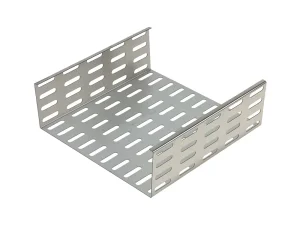
Wholesale Stainless Steel SS304 Perforated Cable Tray 300mm (Brazil Food & Beverage)
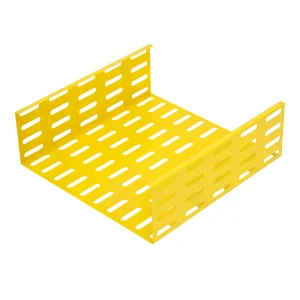
Pre-Galvanized Powder-Coated Architectural Cable Tray for Metro & Commercial Hubs
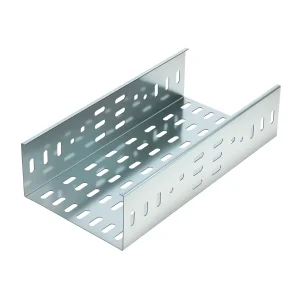
Deep-Side Pre-Galvanized Perforated Cable Tray 200×100mm for Substation Feeders
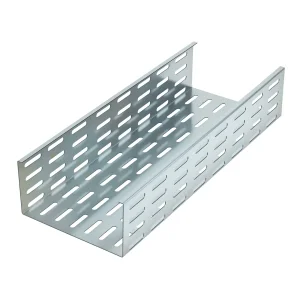
Standard Pre-Galvanized Perforated Cable Tray 200mm for Commercial Distribution
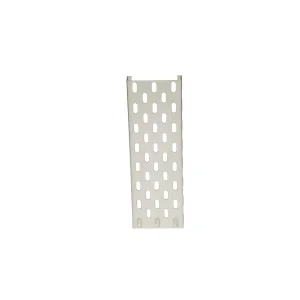
Stainless Steel 100×25 Extreme Perforated Low-Profile Tray for Dense Machine Wiring
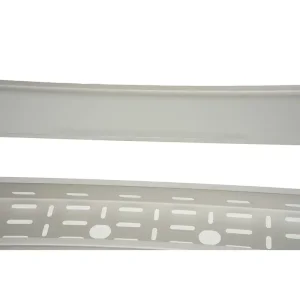
Customized Stainless Steel Cable Tray with Pickled/Passivated Finish (Offshore Brazil)
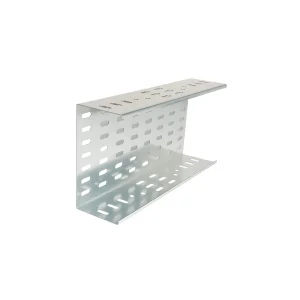
Dense-Pattern Pre-Galvanized Perforated Cable Tray for Heavy Telecom Runs
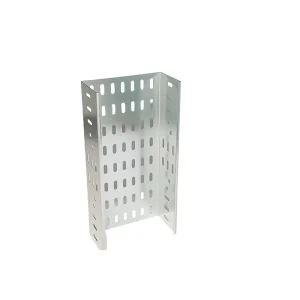
Custom Slotting Pattern Pre-Galvanized Cable Trays for Brazilian EPC Industrial Assemblies
Technical Clarifications & Information Gain
Frequently Asked Questions (FAQ) for Brazilian Projects
Detailed answers addressing electrical grounding, Brazilian normative adherence, export freight clearance, and field installation practices.
How do your cable trays comply with Brazilian standards ABNT NBR 5410 and NBR 14039?
Our cable tray and ladder systems are manufactured and tested under the stringent international framework of IEC 61537:2006, which aligns directly with the mechanical and electrical containment requirements of ABNT NBR 5410 (Low Voltage) and ABNT NBR 14039 (Medium Voltage). This includes electrical continuity tests verifying that splice joints provide an impedance below 50 mΩ across connections, satisfying Brazilian ground bonding standards without the need for additional copper bonding jumpers on low-fault-current runs. Mill test certificates (MTC) and type-test deflection curves are provided for Brazilian engineering compliance audits.
What is the recommended finish for coastal facilities in Rio de Janeiro, Santos, or Salvador?
For coastal installations located within 5 kilometers of the Atlantic shoreline, ambient air classifications typically fall under ISO 12944 C4 or C5-M due to persistent airborne chlorides, high relative humidity (often exceeding 80%), and elevated temperatures. In standard industrial substations, Hot-Dip Galvanizing (HDG) conforming to ASTM A123 with a minimum average coating thickness of 85 µm is recommended. For offshore topsides, coastal oil terminals, and chemical processing facilities, marine-grade Austenitic Stainless Steel AISI 316L or structural Fiberglass Reinforced Polymer (FRP) is required to eliminate premature zinc sacrificial exhaustion.
How are ocean logistics and container freight to Brazil optimized to reduce landed unit costs?
Cable trays present a traditional challenge of high volumetric cubing with low initial weight. Our factory utilizes a specialized nested packing architecture: narrower tray widths (e.g., 100mm and 150mm) are nested inside intermediate (200mm, 300mm) and wide sections (400mm, 600mm), bundled with heavy-duty plastic corner guards and steel strapping on fumigated wooden skids compliant with ISPM 15. This allows a 40ft High Cube container to reach upwards of 22 to 26 metric tons of product, cutting ocean freight costs per meter by 30% to 40% when discharging at Port of Santos, Port of Paranaguá, or Port of Suape.
Can you provide custom stamping, embossing, and specific hole patterns for Petrobras or Vale projects?
Yes. With 12 automated roll-forming and CNC progressive stamping lines, we routinely manufacture tailored hole matrices, slotted configurations, and embossed branding/traceability marks. We can manufacture according to Petrobras engineering standards (such as I-ET-3010 / N-1600 series containment guidelines) and configure rung spacings on cable ladders to accommodate single-conductor power cables arranged in trefoil formation with cleats designed for short-circuit electromagnetic forces.
What documentation and test certificates accompany shipments entering Brazilian customs (Receita Federal)?
Every container shipment dispatched to Brazil is supplied with a comprehensive export documentation package formatted for smooth Siscomex clearance: Commercial Invoice (specifying exact NCM / Mercosur Common Nomenclature harmonized codes), Packing List with gross/net weights and dimensions per bundle, Bill of Lading (B/L), Certificate of Origin (COO), and factory-issued EN 10204 3.1 Mill Test Certificates verifying chemical composition, tensile yield strength, and galvanizing coating mass (g/m² or µm).
Accelerate Your Brazilian Infrastructure Project
Connect with our senior containment application engineers today. Submit your Bill of Quantities (BOQ), site specification drawings, or target budget for an optimized landed CIF Santos cost analysis.